


 Russia Prepares New Large-Scale Attack on Ukraine, Zelenskiy Warns
  US-Iran Ceasefire Extension Near as Strait of Hormuz Shipping Deal Advances
  Kentucky School District Secures $27 Million in Social Media Addiction Lawsuit Settlements
  Brazil Extends Fuel Subsidies and Tax Relief Measures Through July 2026 Amid Global Oil Market Volatility
  DOJ Opens Criminal Investigation Into E. Jean Carroll Over Alleged Perjury
  US to Accelerate Troop Withdrawal from Europe, NATO Allies to Review Plans Next Month
  US Designates Brazil’s PCC and Comando Vermelho as Global Terrorist Entities Ahead of FTO Listing
  Brazil Struggles to Stop Illegal Amazon Gold Mining as Gold Prices Surge
  Trump Signs Executive Order to Expand Access to Federal Lands in the U.S.
  UN Blacklists Israel and Russia Over Conflict-Related Sexual Violence Claims
  US Southern Command Chief Holds Rare Military Meeting With Cuban Officials at Guantanamo Bay
  Trump to Launch America 250 Celebration Amid Concert Cancellations
  US and Iran Near Nuclear Deal as Ceasefire Extension Awaits Trump Approval
  US Condemns Russia’s Oreshnik Missile Strike, Warns Against New Attacks on Kyiv
  Trump Nears Decision on Iran Ceasefire Extension as Key Disputes Remain
  Netanyahu Gaza Expansion Plan Sparks Hamas Condemnation and International Concern


United Nations Secretary-General Antonio Guterres appointed the former president of Kyrgyzstan to become the new UN special envoy to Afghanistan. The new special envoy will replace Deborah Lyons, who already stepped down back in June.
The UN issued a statement naming former Kyrgyzstan President Roza Otunbayeva as the new UN special envoy for Afghanistan, replacing Lyons. Otunbayeva also served as Kyrgyzstan’s foreign minister.
Otunbayeva’s appointment to become the new UN envoy for Afghanistan comes at a time when the country continues to face a worsening humanitarian and economic crisis.
The crisis worsened last year as the Taliban retook control of Afghanistan on the heels of the west’s military withdrawal from the country led by the United States after nearly 20 years of conflict.
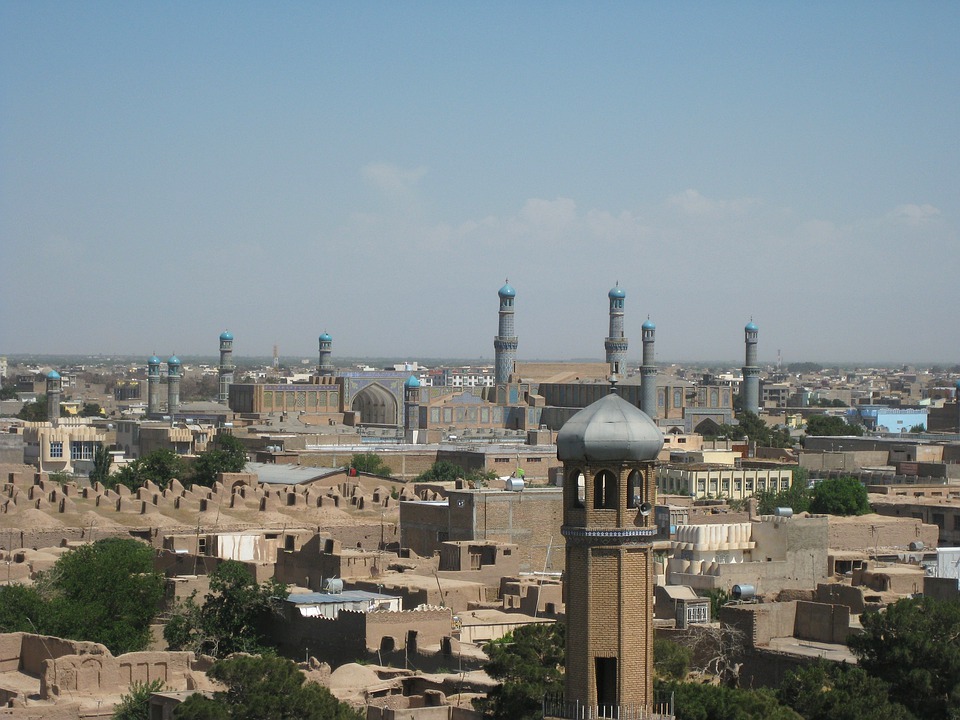
Afghanistan has also experienced domestic attacks on its religious minorities. The latest attack took place Friday last week near a mosque in western Afghanistan, killing at least 18 people and wounding 23 injured, interior ministry spokesman Abdul Nafi Takor told Reuters.
The victims in the blast at Herat included a pro-Taliban cleric who was going to the mosque for Friday prayers.
A senior US official said last week that the Biden administration would temporarily stop the temporary relocation of Afghans to the United States, instead focusing on reuniting immediate family members with pathways to citizenship.
The revised policy follows criticism from lawmakers, refugee organizations, and rights groups, that the Biden administration failed to properly plan the evacuation of Afghans who are at risk of reprisals from the insurgent group when it withdrew its military presence from Afghanistan last year.
The administration continues to maintain that the withdrawal was a success, citing that nearly 90,000 Afghans resettled in the United States in what would be the first large-scale operation.
The official reiterated that the administration remains committed to US allies in Afghanistan, adding that there is no deadline for the commitment. The revised policy is set to take effect on October 1.
The exceptions to the revised policy include Afghans who are on humanitarian parole – the program that grants temporary entry but no pathway to lawful permanent residence.







