


 Bosnian Serb Presidential Rerun Confirms Victory for Dodik Ally Amid Allegations of Irregularities
  Sydney Braces for Pro-Palestine Protests During Israeli President Isaac Herzog’s Visit
  Trump Allows Commercial Fishing in Protected New England Waters
  Japan Election 2026: Sanae Takaichi Poised for Landslide Win Despite Record Snowfall
  Antonio José Seguro Poised for Landslide Win in Portugal Presidential Runoff
  China Overturns Death Sentence of Canadian Robert Schellenberg, Signaling Thaw in Canada-China Relations
  Nicaragua Ends Visa-Free Entry for Cubans, Disrupting Key Migration Route to the U.S.
  Trump’s Inflation Claims Clash With Voters’ Cost-of-Living Reality
  Trump Administration Appeals Court Order to Release Hudson Tunnel Project Funding
  Netanyahu to Meet Trump in Washington as Iran Nuclear Talks Intensify
  Anutin’s Bhumjaithai Party Wins Thai Election, Signals Shift Toward Political Stability
  India–U.S. Interim Trade Pact Cuts Auto Tariffs but Leaves Tesla Out
  Japan’s Prime Minister Sanae Takaichi Secures Historic Election Win, Shaking Markets and Regional Politics
  New York Legalizes Medical Aid in Dying for Terminally Ill Patients
  Ghislaine Maxwell to Invoke Fifth Amendment at House Oversight Committee Deposition
  Ohio Man Indicted for Alleged Threat Against Vice President JD Vance, Faces Additional Federal Charges
  Jack Lang Resigns as Head of Arab World Institute Amid Epstein Controversy


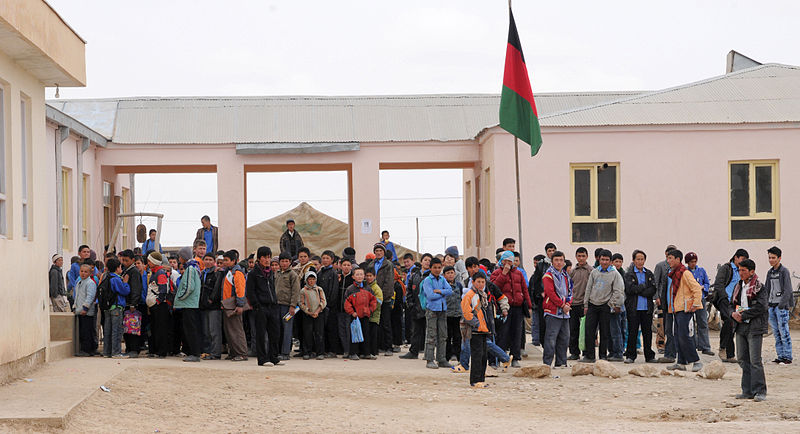
Afghanistan’s Taliban-run education ministry announced the beginning of the school year in schools across the country this week. The announcement comes amidst renewed calls to allow girls to attend schools again.
A letter from the education ministry this week confirmed the start of the school year after a winter break. However, the announcement did not mention any changes in access for girls to attend school again. The head of the United Nations children's agency in Afghanistan said the Taliban needs to open schools to all students for them to socialize and build skills along with academic learning.
“As the new school year in Afghanistan begins we rejoice in the millions of boys and girls returning to primary school classrooms. Yet, we are deeply disappointed not to see adolescent girls going back to their classrooms as well,” tweeted UNICEF Afghanistan representative Fran Equiza.
The Taliban previously said that they planned to open schools for all students, but the insurgent group reversed the decision last year, which sparked widespread condemnation that further posed a challenge to the Taliban’s efforts to be recognized by the international community.
While primary schools for girls remained open, most high schools were closed for girls, and as of December last year, the Taliban also barred female students from attending university, further sparking criticism.
Many Afghan women have called for the reopening of schools for girls. Enrollments at female religious schools, which was the only option remaining, increased over the past year. In the northern province of Kunduz, where some high schools for girls remained open last year, authorities said it was closed for the time being.
Last week, the United Nations Security Council renewed the UN Mission in Afghanistan for another year while requesting recommendations on the best way for the international community to continue its work in Afghanistan. The 15-member council unanimously adopted two resolutions that were drafted by the United Arab Emirates and Japan.
The first resolution was on the importance of a continued presence of the mission in Afghanistan along with other UN agencies in the country. The resolution would extend the mission until March 17, 2024.













