


 Pinterest Stock Falls as CFO Julia Brau Donnelly Resigns
  Meta, U.S. States Discuss Settlement in Teen Addiction Trial
  SoftBank Plans Record $6.3 Billion Bond Sale to Fund OpenAI Investments
  Trump Buys SpaceX Shares After Record IPO
  BofA Names ASML Top Semiconductor Equipment Pick on Growth, Valuation
  U.S. Probes Apex Logistics Over Nvidia AI Chip Shipments to China
  SK Hynix Shares Fall as Workers Reject Wage Deal
  Countries Tighten Social Media Bans for Children
  Salesforce Shares Surge as AI Demand Powers Q2 Earnings Beat
  Nvidia Options Price in $280 Billion Earnings Swing
  OpenAI AI Agent Swarm Behind Hugging Face Hack
  HP Stock Drops 9% Despite Q3 Earnings Beat and Raised 2026 Outlook
  Nvidia Pauses AI Cloud Financing Deals Amid Antitrust Concerns


 Add as a preferred source on Google
Representatives from both AT&T and Time Warner answered the summons by the U.S. Senate on Wednesday to make their case with regards to their proposed merger. The arrangement would be worth $85 billion to the companies, so they came prepared with all the usual rhetoric about innovation, competition, and investment. However, even with such a lackluster drilling by the panel facing them, the companies still managed to make counterarguments to their own points.
The senate panel that faced the two telecom companies was made up of Republicans and Democrats, The Wall Street Journal reports, which made the discrepancy between the two parties incredibly clear with the direction of their questions. On the Democrat side, representatives from the two companies were faced with some tough questions. The Republican senators, on the other hand, were practically using kid gloves.
This reaction is not exactly atypical of members of the conservative party since they have always been pro-business and anti-regulation. However, the particularly soft approach by the Republicans on the panel seems to be in direct contrast to the message that Donald Trump was spouting during his run for the presidency.
In any case, it would seem that the companies didn’t think they would have much trouble getting their point across with the Republican-run senate, spewing the same antitrust language that has become all too common in a capitalist market. By doing so, however, The Verge argues that AT&T and Time Warner actually strengthened the cause of maintaining an open internet.
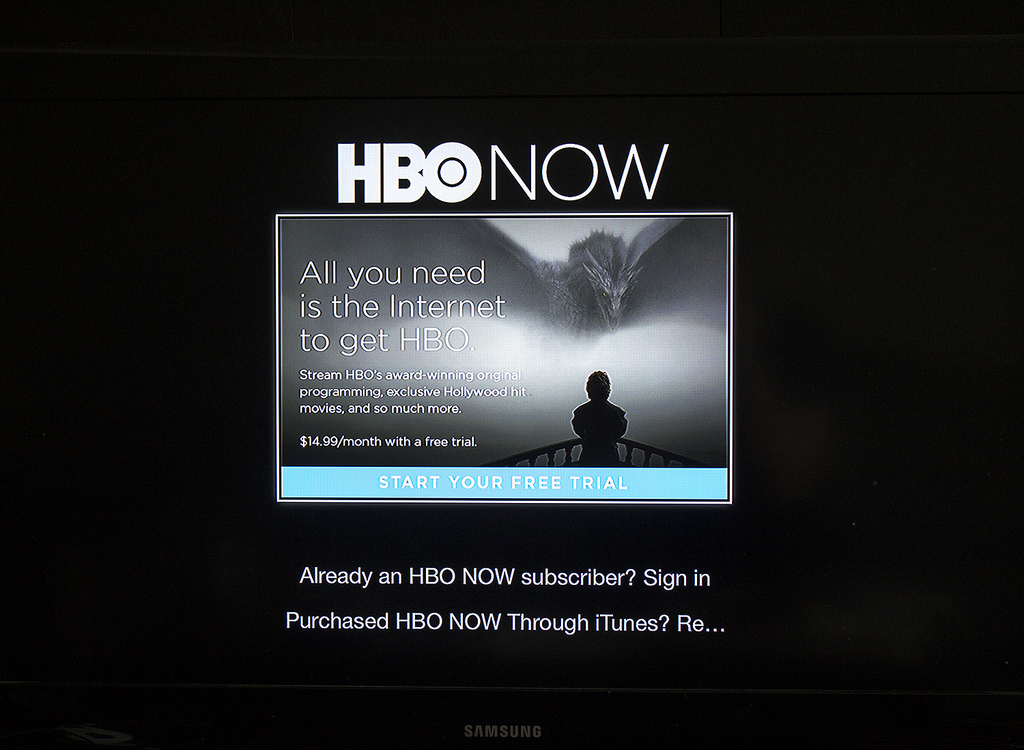
For example, AT&T CEO Randall Stephenson said that the merger would disrupt current pay for TV business models, but Time Warner’s HBO Now is already doing this. He also stressed that the merger would pave the way for providing more content and lower prices, but he did not lay out the reasons why a merger would be necessary to accomplish this in the first place.
As for Time Warner, CEO Jeff Bewkes said that the merger would allow them to achieve the widest distribution opportunity since theirs is a video content company. However, HBO Now already accomplishes this and it was done without the need for a merger.







