


 Pinterest Stock Falls as CFO Julia Brau Donnelly Resigns
  U.S. Probes Apex Logistics Over Nvidia AI Chip Shipments to China
  Google Expands Gemini Enterprise With AI Tools for Legal Sector
  SoftBank Eyes $20 Billion Bond Sale to Refinance OpenAI Loan
  Luxshare Shares Rise as First-Half Profit Jumps 18%
  Alibaba Raises $10.2 Billion to Expand AI Infrastructure
  Nvidia Options Price in $280 Billion Earnings Swing
  New Zealand Moves to Ban Social Media for Children Under 16
  Xiaomi Unveils Xring O3 Chip for Flagship Foldable Phone
  Meta, U.S. States Discuss Settlement in Teen Addiction Trial
  New Zealand Labour Backs Social Media Ban for Under-16s
  U.S. Disrupts China-Linked Hacking Campaign Targeting Government Agencies
  SK Hynix Shares Fall as Workers Reject Wage Deal
  SoftBank Plans Record $6.3 Billion Bond Sale to Fund OpenAI Investments
  Trump Buys SpaceX Shares After Record IPO
  HP Stock Drops 9% Despite Q3 Earnings Beat and Raised 2026 Outlook


 Add as a preferred source on Google
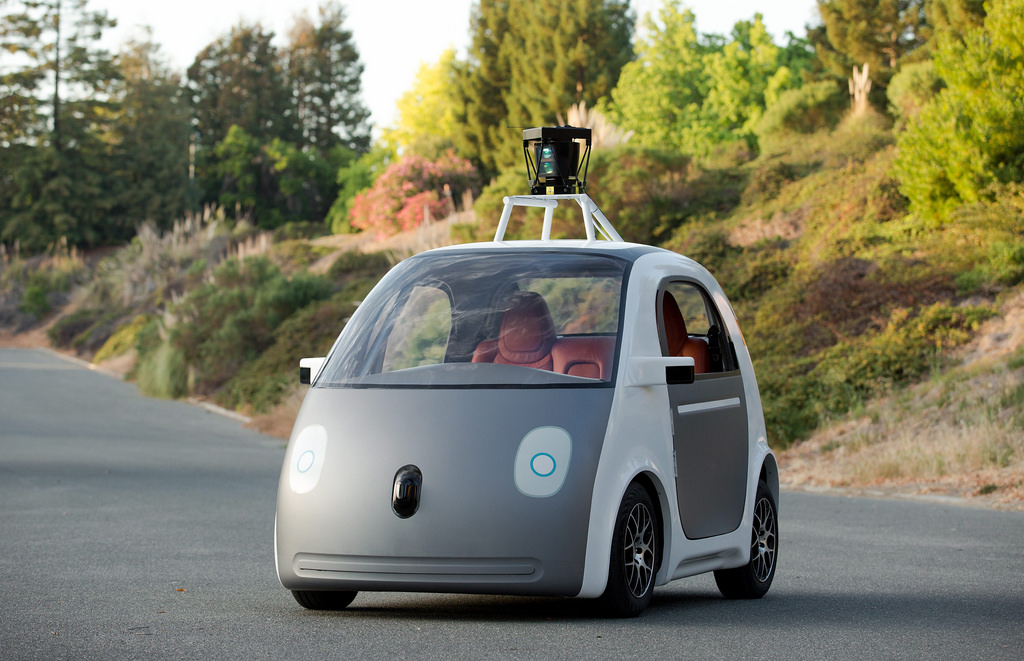
A recent study involving proponents of self-driving cars resulted in an overwhelming majority saying that if ever an accident should occur involving a fully autonomous vehicle, the driver should die first. At the same time, these fans of self-driving vehicles say that if the vehicle was intentionally programmed to do just this, they would not want to get them in the first place.
The prospect of self-driving vehicles comes with new realities that drivers and pedestrians alike are going to need to deal with, and this study is a good example of this. When the participants were asked whether the self-driving car should prioritize 10 pedestrians or the driver, 75 percent said that they were in favor of the pedestrians for reasons of morality.
Gizmodo points out that these kinds of philosophical dilemmas are the kinds of thought experiments done in Ethics 101 which bleed into real life from time to time. Car manufacturers have had to deal with these kinds of hypothetical scenarios when creating new vehicles for a long time, and with the prospect of driverless cars, the problem has just gotten more complicated.
Unlike human drivers, AIs are unable to react to certain scenarios unless they have been taught or have learned how to do so. As a result, the manufacturers will need to decide who to prioritize depending on the situation, and this is exactly the kind of discussion the authors of the study wanted to start.
"Figuring out how to build ethical autonomous machines is one of the thorniest challenges in artificial intelligence today," the study's authors wrote. "As we are about to endow millions of vehicles with autonomy, a serious consideration of algorithmic morality has never been more urgent."
The authors also noted how creating an algorithm that can mimic the complexity of human moral values. So it’s currently unlikely that the self-driving cars will be able to make complicated decisions involving life and death on their own.







