


 Trump Signs Executive Order to Boost AI Research in Childhood Cancer
  Neuralink Plans High-Volume Brain Implant Production and Fully Automated Surgery by 2026
  NASA Cuts Boeing Starliner Missions as SpaceX Pulls Ahead
  SpaceX Prioritizes Moon Mission Before Mars as Starship Development Accelerates
  Blue Origin New Glenn Rocket Explodes During Launch Pad Test, Delaying Space Ambitions
  Trump and Merck KGaA Partner to Slash IVF Drug Costs and Expand Fertility Coverage
  Is space worth the cost? Accounting experts say its value can’t be found in spreadsheets
  Blue Origin’s New Glenn Achieves Breakthrough Success With First NASA Mission
  SpaceX Delays Starship V3 Launch Ahead of Potential Record IPO
  SpaceX’s Starship Completes 11th Test Flight, Paving Way for Moon and Mars Missions
  Trump Administration Releases New UFO Files and Apollo Mission Records
  Trump Administration to Launch Autism Initiatives Targeting Acetaminophen Use and New Treatment Options
  FDA Pilot Program Eases Rules for Nicotine Pouch Makers


 Add as a preferred source on Google
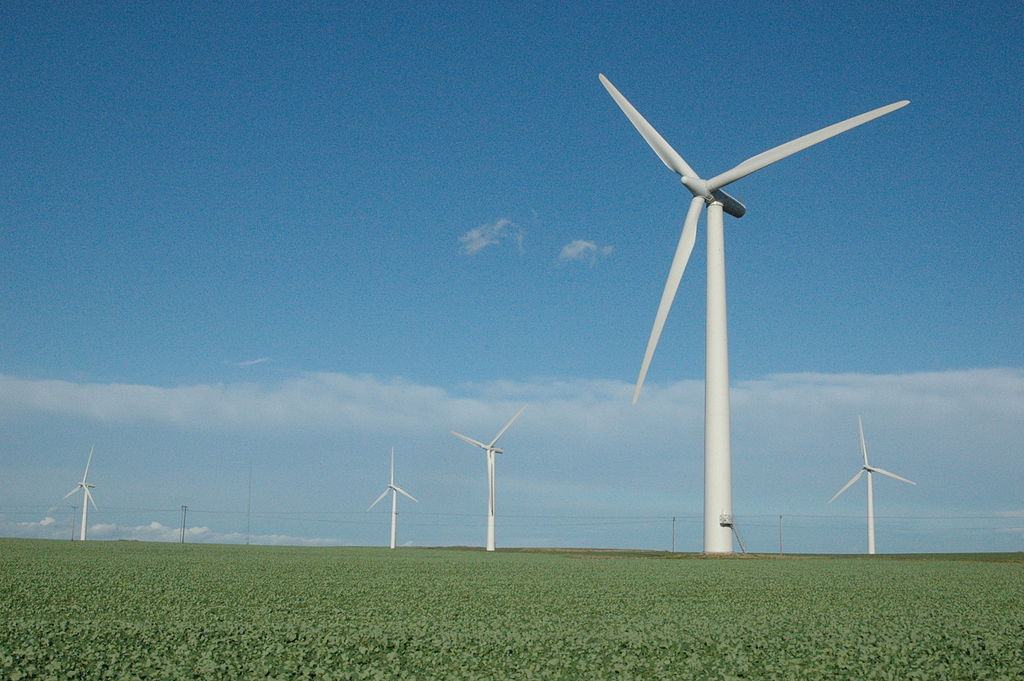
When President Donald Trump announced that he was going to pull out of the Paris Climate Accord, hardly anyone was surprised. Even so, many still despaired regarding the future of renewable energy. Fortunately, it seems the US is carrying on just fine despite the decisions of its leaders, with 10 percent of the country’s energy consumption coming from renewables. That’s a new record.
The figures come from the report Electric Power Monthly, which is provided by the U.S. Energy Information Administration’s (EIA). According to the data, eight percent of the country’s energy needs came from wind farms in March and the other two percent came from solar.
Naturally, the numbers recorded by the agency came in seasonal bouts, with solar power being particularly significant during summer when the climate is at its sunniest. Conversely, wind energy is quite productive during spring when the breeze is more consistent.
What’s more, thanks to the increased investments in both these renewable sources as well as others, the trend of increased reliance on clean energy is only expected to grow. The press release provided by the EIA pertaining to the new records says as much, noting how the next seasonal cycle will likely find the US getting more than 10 percent of its energy from renewables.
“Based on seasonal patterns in recent years, electricity generation from wind and solar will probably exceed 10% of total U.S. generation again in April 2017, then fall to less than 10% in the summer months,” the press release reads. “Since 2014, when EIA first began estimating monthly, state-level electricity generation from small-scale solar photovoltaic systems, combined wind and solar generation has reached its highest level in either the spring or fall. Because these seasons are times of generally low electricity demand, combined wind and solar generation also reached its highest share of the U.S. total during these times of year.”
This is amazing news for the renewable industry, which is predicted to swallow fossil fuel over the coming decades. It also provides hope in the fight against climate change.







