


 Time to buy local: war fuel price shocks reveal the folly of a long food supply chain
  Novo Nordisk Raises 2025 Outlook Despite Wegovy Pill Miss and CagriSema Setback
  AstraZeneca Shares Sink After Wainua Trial Misses Key Heart Disease Goal
  Columbia Student Mahmoud Khalil Fights Arrest as Deportation Case Moves to New Jersey
  Glastonbury is as popular than ever, but complaints about the lineup reveal its generational challenge
  The ghost of Robodebt – Federal Court rules billions of dollars in welfare debts must be recalculated
  Stuck in a creativity slump at work? Here are some surprising ways to get your spark back
  US Tightens Ebola Controls as Congo Outbreak Sparks Global Concern
  Moderna Short Sellers Hit With $4.8 Billion Loss as Stock Soars
  Yes, government influences wages – but not just in the way you might think
  Booked to travel through the Middle East? Here’s why you shouldn’t cancel your flight
  Trump Administration Bars U.S. Travelers From Congo Flights Amid Ebola Outbreak
  Alcohol is one of the most dangerous drugs, yet its presence is ubiquitous in social settings and celebrations
  Why financial hardship is more likely if you’re disabled or sick
  FDA Investigates New Cyclospora Outbreak as U.S. Cases Continue to Rise
  The American mass exodus to Canada amid Trump 2.0 has yet to materialize


 Add as a preferred source on Google
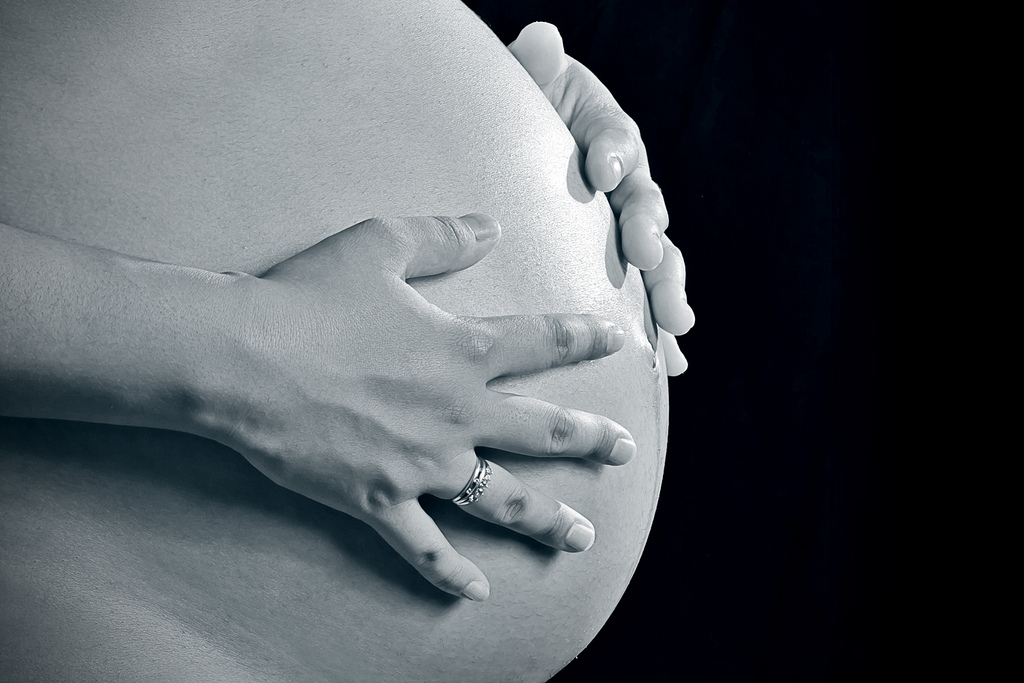
Conventional wisdom dictates that the older a woman gets, the more danger they face when giving birth for the first time. For a while now, medical doctors have had this opinion as well, which is why women are often encouraged by their physicians to have a baby while still young. However, new research suggests that there may be more to this than previously thought. In fact, it would seem that older first-time mothers are more likely to live longer than their younger counterparts.
The study was conducted by researchers from the University of California San Diego School of Medicine, and they found that mothers who decided to become pregnant for the first time at a later time are more likely to live to be 90 years old or more, MedicalXpress reports. The research was led by Dr. Aladdin Shadyab and he said that they found a correlation between the ages that the mothers gave birth, how many times they gave birth, and how long they lived.
"We found that women who had their first child at age 25 or older were more likely to live to age 90," Dr. Shadyab said. "The findings indicate that women with two to four term pregnancies compared with a single term pregnancy were also more likely to live at least nine decades."
The study looked into 20,000 cases of pregnant women for 21 years. Of those numbers, 54 percent lived to the age of 90, but these findings simply suggest correlation as opposed to definitive proof of anything. There are other various factors that could affect how long these women lived, including lifestyle, diet, and genetics.
In the press release about the findings, Dr. Shadyab clarified that their research does not suggest that women should delay their pregnancy. With age also comes other complications that could result in increased risks when giving birth, including hypertension and diabetes. Rather, it’s simply meant to be an indicator that those who survived older pregnancies may have already been in excellent health, to begin with.







