


 US Comfortable With Canada Trade Standoff as Import Bans Loom
  Oil Prices Jump 3% as Houthi Attack Revives Supply Fears
  U.S. Treasury Yields Surge as 30-Year Hits 22-Year High
  Gold Holds Near $4,275 as Rising Treasury Yields Fuel Fed Rate Hike Bets
  Japanese Yen Rebounds as Trump Flags Currency Weakness
  Dollar Holds Near Two-Month High as Yen Approaches 160
  Fed Unveils Stablecoin Rules Under GENIUS Act
  Asian Stocks Fall as Surging Bond Yields Rattle Markets
  Gold Prices Fall as Treasury Yields Rise on Fed Rate Hike Bets
  Germany’s 2026 Growth Outlook Strengthens on Fiscal Spending
  Canadian Dollar Faces Pressure as Fed-BoC Policy Gap Widens
  UK PM Burnham to Unveil Economic Vision at Labour Conference
  Trump, Xi Focus on Trade and AI at White House Summit
  Dollar Falls as Oil Eases, Yen Jumps on Intervention Signals
  European Stocks Fall as Bond Yields and Geopolitical Risks Weigh
  China Agrees to Buy 20 Million Tons of U.S. Coal


 Add as a preferred source on Google
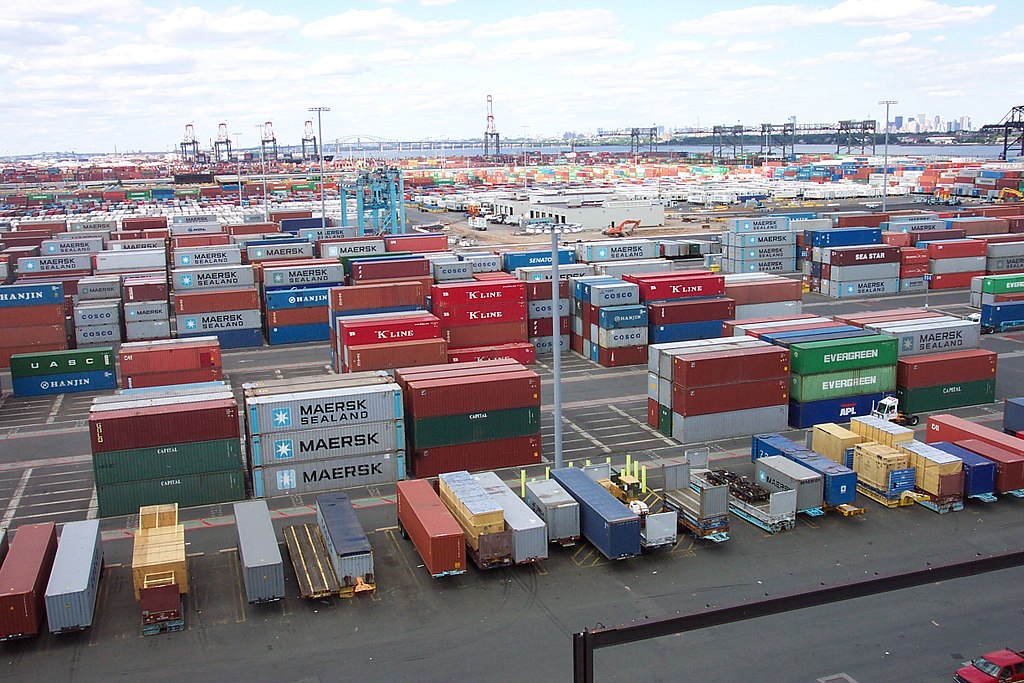
Emerging markets and developing countries are grappling with rising debt and sluggish growth as global trade uncertainty spikes, warned World Bank Chief Economist Indermit Gill. Speaking during the IMF and World Bank spring meetings in Washington, Gill emphasized that escalating tariffs, particularly from U.S. President Donald Trump’s recent policies, are intensifying economic pressures.
The International Monetary Fund recently slashed its 2025 global growth forecast to 2.8%, down half a percentage point from January, citing the surge in tariffs by the U.S., China, EU, and others. Gill noted that uncertainty indices have soared, exacerbating an already fragile situation compared to past crises like the 2008 financial collapse or the COVID-19 pandemic. Unlike those events, the current shock stems from policy decisions, meaning it could still be reversed.
Emerging markets have seen foreign direct investment (FDI) fall sharply, from 5% of GDP during peak periods to just 1% today. Net interest payments now consume 12% of emerging market GDP, double the 2014 figure, while poorer countries spend as much as 20% of GDP on debt servicing, squeezing budgets for education and healthcare.
Gill stressed that many countries are at risk of debt distress, particularly if global growth and trade continue to weaken. With inflation keeping interest rates high, rolling over debt could become even costlier.
To counteract these risks, Gill urged developing countries to urgently negotiate lower tariffs with the U.S. and extend reduced rates globally. According to World Bank models, such steps could deliver significant growth boosts and help stabilize vulnerable economies.







