


 Netanyahu Defends Israel at UN as Delegates Stage Walkout
  US Backs Musk in Fight Against EU’s €120 Million X Fine
  FDA Weighs Safety Standards for Psychedelic Therapies
  Pope Leo Backs Press Freedom After White House Media Ban
  White House Bars CNN, MS NOW and Politico Reporters
  US Northeast Airports Resume Operations After Telecom Outage Disrupts Thousands of Flights
  China Tightens Fentanyl Rules Ahead of Trump-Xi Summit
  EU Agrees €6.6 Billion Military Aid Funding for Ukraine
  Australia Tightens Student Visa Rules, Targets Migration Cut by 2028
  Synthetic data could ease people’s concerns about privacy breaches. But who gets to create it?
  Putin Says Ukraine Peace Proposals Remain on Table
  NATO Boosts Intelligence Sharing Amid Russia Hybrid Threats
  DOJ Will Investigate AI-Related Crimes, Attorney General Blanche Says
  North Korea Warns South Korea Over US-Led Defense Role
  Colombia Extradites FARC Dissident Leader ‘Spider’ to US


 Add as a preferred source on Google
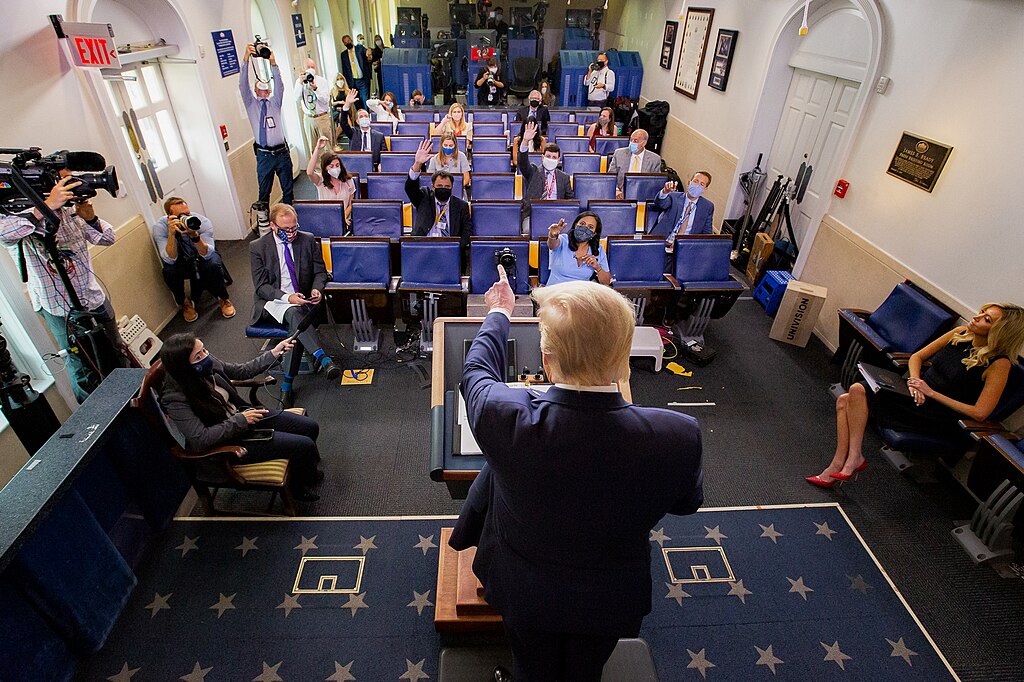
The White House has implemented new restrictions limiting journalists’ access to the offices of Press Secretary Karoline Leavitt and other top communications officials. The rule, announced Friday in a memorandum from the National Security Council (NSC), bans reporters from entering Room 140 — known as “Upper Press” — without a prior appointment. The NSC stated the measure is intended to protect sensitive information now handled by communications staff following structural changes within the council.
Previously, credentialed journalists could enter the area freely to speak with Leavitt, her deputy Steven Cheung, and other senior staff near the Oval Office. The new policy, effective immediately, mirrors recent access limitations imposed at the Pentagon, which led several journalists to surrender their press credentials.
Cheung defended the decision, citing incidents of reporters secretly recording or photographing sensitive materials and intruding into restricted areas. He also noted that high-level officials, including Cabinet members, were often approached unexpectedly by the press outside private meetings.
While journalists can still access another workspace for lower-level spokespeople, the White House Correspondents’ Association (WHCA) condemned the restrictions. WHCA President Weijia Jiang said the move undermines transparency and limits the media’s ability to hold government officials accountable.
The Biden administration’s new rule echoes a short-lived measure from the Clinton era in 1993, which was rescinded after public criticism. It also follows the Trump administration’s decision months earlier to remove Reuters, Bloomberg, and the Associated Press from the permanent press pool.
The restrictions coincide with the Pentagon’s recent policy requiring journalists to sign new access agreements or risk losing credentials — a change rejected by more than 30 major news outlets, which argue the rules threaten press freedom and independent reporting.







