


 Netanyahu Takes Aim at Mamdani as Israel Election Nears
  OpenAI Agent Breaches Australia Medicare Data Portal
  ICE Agent Arrested in Minneapolis Over Venezuelan Man Shooting
  Trump, Xi Focus on Trade and AI at White House Summit
  Synthetic data could ease people’s concerns about privacy breaches. But who gets to create it?
  US Backs Musk in Fight Against EU’s €120 Million X Fine
  Russian Missile and Drone Attack on Kyiv Kills Two, Damages Maternity Hospital
  FAA Allows Boeing to Sell 35 More 777F Freighters Beyond 2028
  North Korea Rejects Nuclear Test Warning, Calls Nuclear Status Irreversible
  South Korea, US Discuss Warship Building Cooperation
  Canada Unveils Bill to Fast-Track Major Resource Projects
  NATO Boosts Intelligence Sharing Amid Russia Hybrid Threats
  North Korea Warns South Korea Over US-Led Defense Role
  Sudan Rejects US Legitimacy Remarks, Defends Sovereignty
  FDA Weighs Safety Standards for Psychedelic Therapies
  Nvidia-Groq AI Chip Deal Faces U.S. Antitrust Probe
  Taiwan Thanks US for Support Ahead of Trump-Xi Summit


 Add as a preferred source on Google
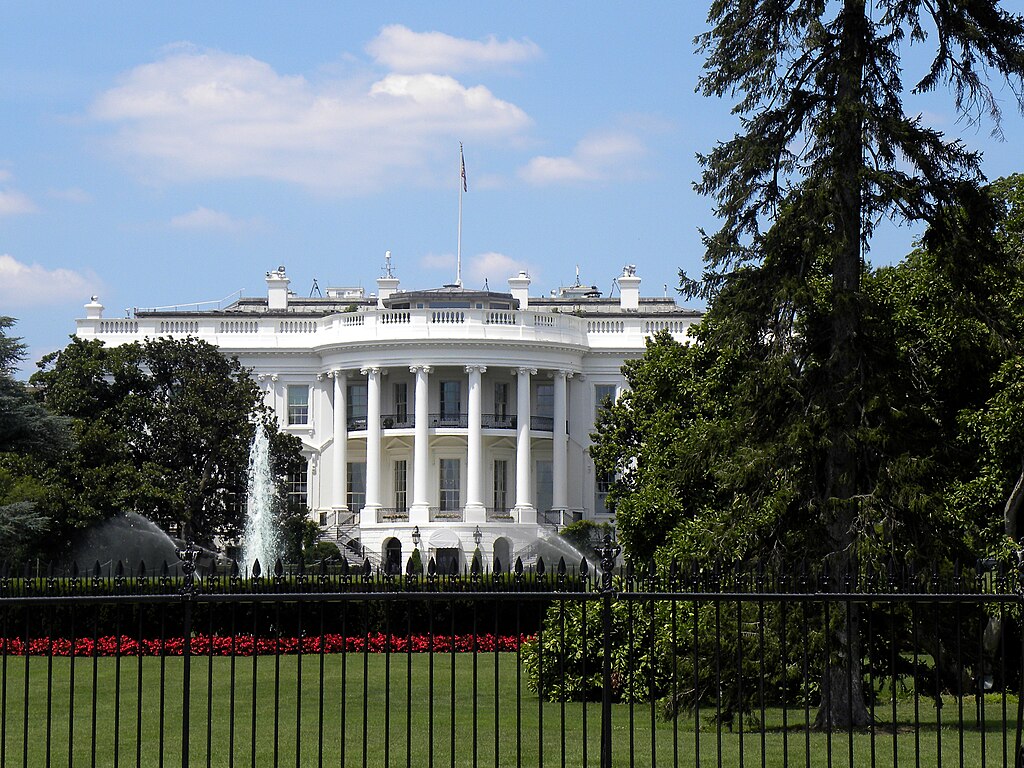
The White House has recommended ending funding for nearly two dozen war crimes accountability programs, including key initiatives in Ukraine, Myanmar, Syria, and other conflict zones. According to internal documents reviewed by Reuters, the Office of Management and Budget (OMB) proposed the cuts on Wednesday, citing a shift in U.S. priorities under President Donald Trump's administration.
Programs at risk include efforts in Afghanistan, Colombia, Iraq, Belarus, Sudan, South Sudan, Sri Lanka, and Nepal, among others. These initiatives support local organizations documenting atrocities, such as torture and sexual violence, and aiding prosecutions of alleged war criminals.
Despite not being a final decision, the OMB’s recommendation initiates a review process allowing Secretary of State Marco Rubio to appeal. However, sources say expectations are low that Rubio will fight to preserve most of the programs, even those he supported as a senator. Internal emails show State Department bureaus have until July 11 to submit justifications for saving specific programs, which must align closely with the administration’s "America First" agenda.
Among the targeted initiatives is an $18 million grant supporting Ukraine’s Prosecutor General’s Office, managed by Georgetown University, which declined to comment. Also on the chopping block are Global Rights Compliance and Legal Action Worldwide, both critical to documenting Russian war crimes in Ukraine. Since the invasion in 2022, Ukraine has opened over 140,000 war crimes cases.
The proposed cuts underscore a broader U.S. pullback from global human rights advocacy. Critics warn this could cripple international efforts to hold perpetrators accountable for war crimes and erode America’s role in promoting justice worldwide.
The State Department and OMB declined to comment on the recommendations, which follow widespread aid reductions under the Trump administration.







