


 Missouri Judge Dismisses Lawsuit Challenging Starbucks’ Diversity and Inclusion Policies
  Rio Tinto Shares Hit Record High After Ending Glencore Merger Talks
  Tencent Shares Slide After WeChat Restricts YuanBao AI Promotional Links
  Nvidia Nears $20 Billion OpenAI Investment as AI Funding Race Intensifies
  TSMC Eyes 3nm Chip Production in Japan with $17 Billion Kumamoto Investment
  Trump Signs “America First Arms Transfer Strategy” to Prioritize U.S. Weapons Sales
  Washington Post Publisher Will Lewis Steps Down After Layoffs
  Trump Signs Executive Order Threatening 25% Tariffs on Countries Trading With Iran
  Baidu Approves $5 Billion Share Buyback and Plans First-Ever Dividend in 2026
  Hims & Hers Halts Compounded Semaglutide Pill After FDA Warning
  SpaceX Pushes for Early Stock Index Inclusion Ahead of Potential Record-Breaking IPO
  TrumpRx.gov Highlights GLP-1 Drug Discounts but Offers Limited Savings for Most Americans
  Pentagon Ends Military Education Programs With Harvard University
  TrumpRx Website Launches to Offer Discounted Prescription Drugs for Cash-Paying Americans
  AMD Shares Slide Despite Earnings Beat as Cautious Revenue Outlook Weighs on Stock
  Japan Election 2026: Sanae Takaichi Poised for Landslide Win Despite Record Snowfall
  Nasdaq Proposes Fast-Track Rule to Accelerate Index Inclusion for Major New Listings


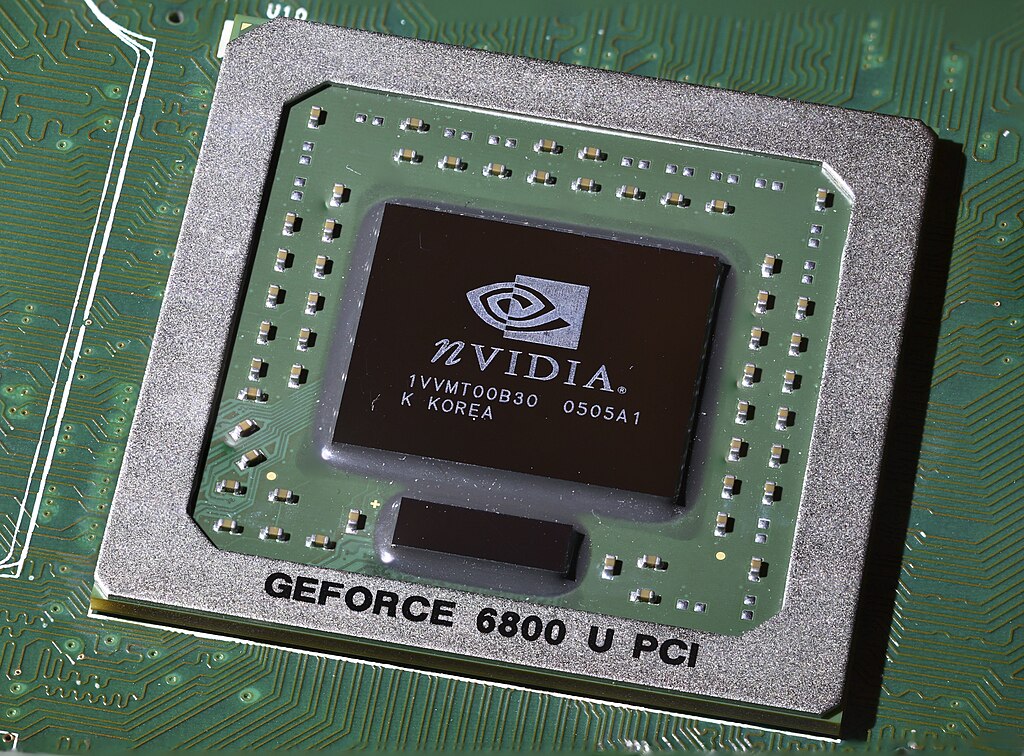
The White House has reportedly barred Nvidia from selling its latest artificial intelligence (AI) chips to China, intensifying U.S. restrictions on the export of advanced computing technology. According to The Information, which cited three sources familiar with the matter, the Biden administration has informed federal agencies that Nvidia’s new scaled-down chip, known as the B30A, cannot be sold to Chinese customers.
Despite the ban, Nvidia has already distributed samples of the B30A to several companies in China. The chip is designed to power high-performance computing and can train large language models (LLMs) when configured in large-scale clusters—technology that is crucial for many Chinese AI firms striving to compete globally.
The U.S. government’s decision is part of a broader strategy to curb China’s access to advanced semiconductor technologies that could enhance its AI and military capabilities. Washington has previously imposed multiple rounds of restrictions on Nvidia and other chipmakers to limit the transfer of cutting-edge processors that can accelerate AI development.
In response, Nvidia is reportedly working to redesign the B30A chip to comply with U.S. export regulations. Two Nvidia employees told The Information that the company hopes the modifications will persuade the administration to ease its stance.
A spokesperson for Nvidia told Reuters that the company currently has “zero share in China’s highly competitive market for datacenter compute” and does not include China in its business guidance. The White House has not yet commented on the report.
The move underscores the growing tensions between the U.S. and China over AI and semiconductor technologies, with Washington aiming to maintain its leadership in the global AI race while limiting China’s access to advanced computing power.













