


 Salesforce Shares Surge as AI Demand Powers Q2 Earnings Beat
  Why have so few atrocities ever been recognised as genocide?
  Trump Administration Plans New Drug Pricing Deals With Biotech Firms
  Trump Buys SpaceX Shares After Record IPO
  Meta Agrees to $18 Billion Settlement, Tightens Teen Social Media Rules
  Tokio Marine Eyes Multibillion-Dollar Suncorp Takeover
  Google promotes ‘teacher approved’ apps for kids. Here’s what parents should know
  OpenAI AI Agent Swarm Behind Hugging Face Hack
  Mercer International Stock Surges 45% on C$20 Million Canada Funding
  Disaster or digital spectacle? The dangers of using floods to create social media content
  SK Hynix Shares Fall as Workers Reject Wage Deal
  SoftBank Eyes $20 Billion Bond Sale to Refinance OpenAI Loan
  6 simple questions to tell if a ‘finfluencer’ is more flash than cash
  Luxshare Shares Rise as First-Half Profit Jumps 18%
  Columbia Student Mahmoud Khalil Fights Arrest as Deportation Case Moves to New Jersey
  What’s the difference between baking powder and baking soda? It’s subtle, but significant
  Debate over H-1B visas shines spotlight on US tech worker shortages


 Add as a preferred source on Google
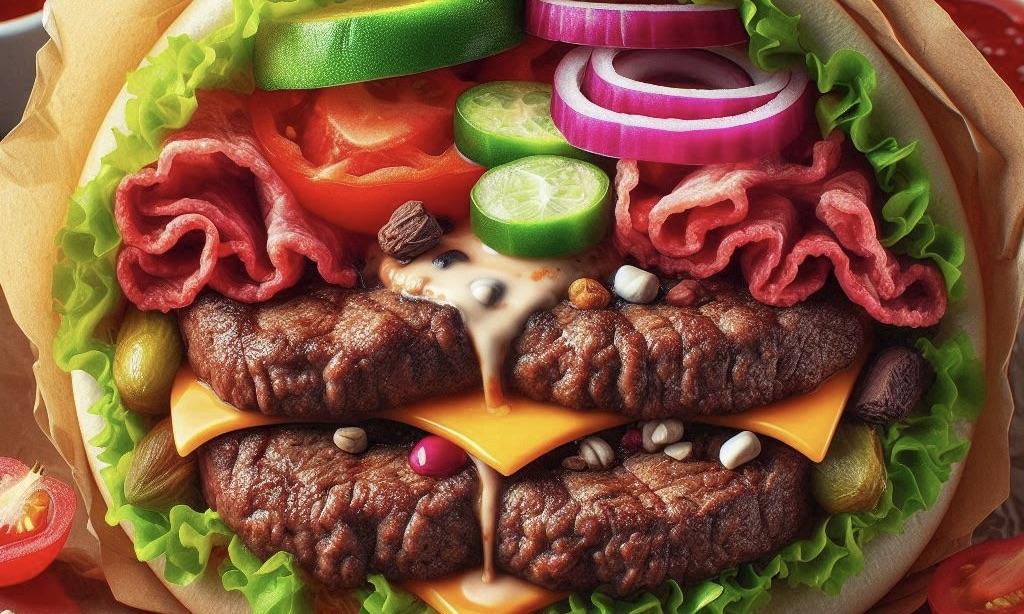
Taco Bell's seasoned beef has long been the subject of speculation and controversy, especially after a lawsuit questioned its contents. Despite the scrutiny, Taco Bell maintains that its beef is 88% real meat, with the rest being standard seasonings and additives used in fast food.
Taco Bell's Seasoned Beef Controversy: Examining the Lawsuit That Questioned What’s Really in the Meat
Taco Bell is no stranger to the spotlight, often at the center of pop culture debates. Much criticism directed at the fast-food chain revolves around its seasoned beef, the primary protein in many menu items. While consumer critiques of Taco Bell are generally subjective—driven by personal preferences and tastes—there was a moment when these jokes took on a more severe tone following a highly publicized lawsuit that questioned the contents of Taco Bell's seasoned beef.
The lawsuit brought legal scrutiny to Taco Bell, giving rise to renewed speculation about what exactly goes into the chain's seasoned beef. Social media buzzed with theories and jokes as detractors seized upon the lawsuit to further fuel their doubts. Although the case was eventually dismissed, the controversy remains a reference point whenever Taco Bell enters public discussion. Even though the allegations about Taco Bell's beef have largely been debunked—and the meat is real—the incident serves as a reminder to take a closer look at the ingredients in favorite fast-food items.
The controversy began when an Alabama-based law firm, Beasley Allen, filed a false advertising claim against Taco Bell, alleging that its seasoned beef contained only about 35% actual beef. The firm argued that labeling the product as meat was misleading when such a small proportion of the protein was present. According to NPR's All Things Considered, the law firm claimed to have tested the product and found that the remaining 65% consisted of "soybeans, wheat, oats, and other non-meat products." The headlines surrounding the lawsuit implied that Taco Bell might be concealing something less savory in its beef, sparking a wave of creative memes and public skepticism.
Taco Bell Defends Its Beef: Transparency Campaign Clears Controversy Over Ingredients and Recipe
In response, Taco Bell launched a million-dollar campaign to defend its reputation. The company asserted that its seasoned beef was composed of 88% beef, with the remaining 12% made up of seasoning and color additives—standard practices in the fast-food industry. Satisfied with Taco Bell's transparency, Beasley Allen eventually dropped the lawsuit, and the scrutiny around Taco Bell began to fade.
On August 8, Taco Bell maintains its commitment to transparency. According to the nutritional information on the company's website, the first three ingredients in its seasoned beef are beef, water, and seasoning. The seasoning blend includes familiar ingredients such as chili pepper, maltodextrin, salt, oats, and soy lecithin, all common in fast food preparations. The original lawsuit’s claim wasn’t about Taco Bell using mystery meat but plant-based ingredients like oats and soy. Interestingly, Taco Bell continues to use soy in its seasoned beef—though not at the levels initially alleged—and remains one of the most vegan-friendly fast-food options on the market.
Despite Taco Bell's challenges regarding its seasoned beef, the chain has proven that it uses natural ground beef in its recipes. Whether or not Taco Bell’s preparation style appeals to everyone remains a matter of personal taste, but at least diners can be assured that what they're eating is the real deal.







