


 Taiwan Scrambles Jets and Ships as China Intensifies Military Patrols Near Island
  Croatia Weighs Ante Zigman for Central Bank Governor Role in Key ECB Transition
  Trump Administration Weighs Halting International Flights at Sanctuary City Airports
  U.S.-Iran Talks Advance as Trump Signals Tough Stance on Hormuz and Nuclear Deal
  Israel Targets Hamas’ New Military Chief as Gaza Conflict Escalates
  Tsikhanouskaya Warns of Belarus Escalation During Kyiv Visit Amid Russia-Ukraine War
  Israel Says It Killed New Hamas Military Chief in Gaza Strike
  Zelenskiy Pushes Europe to Boost Missile Defense Production as U.S. Talks Stall
  Japan Plans $19 Billion Extra Budget as Bond Market Faces Pressure
  US Plans Kenya Ebola Quarantine Facility Amid Congo Outbreak
  Trump Appoints Pam Bondi to White House AI Advisory Committee
  U.S.-Iran Talks May Take Days as Oil Prices React to Strait of Hormuz Tensions
  DOJ Sues UCLA Over Alleged Antisemitism and Hostile Campus Environment
  Cambodia King Pardons Opposition Leader Kem Sokha After Treason Conviction
  Israel Intensifies Lebanon Air Strikes as Hezbollah Conflict Escalates


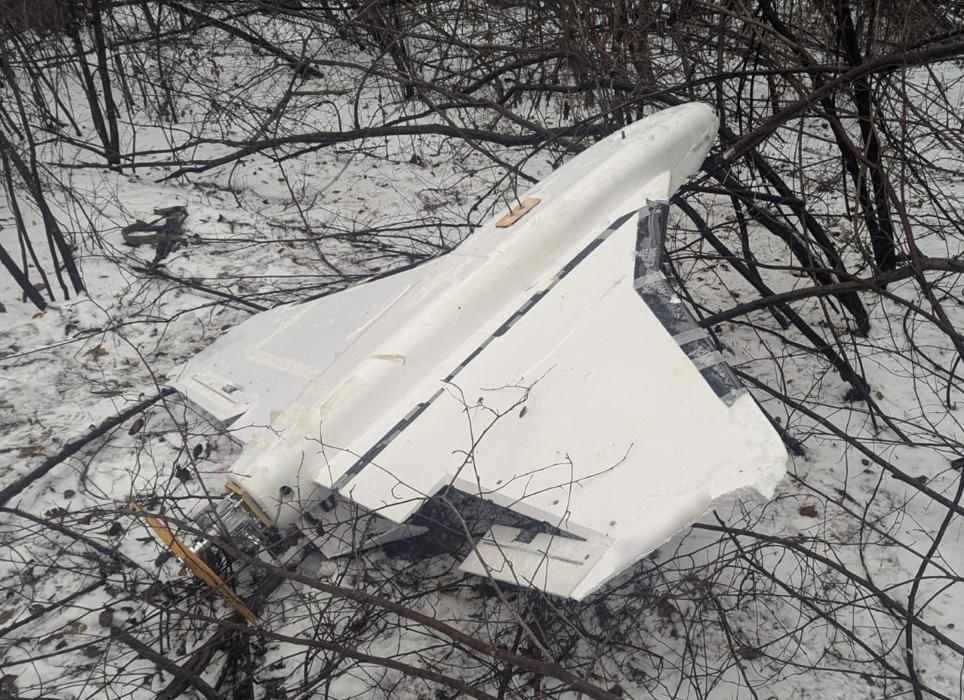
Recent Ukrainian drone incursions into Baltic airspace have heightened security concerns across Eastern Europe, increasing tensions between NATO members and Russia. The incidents come as Ukraine intensifies long-range drone attacks targeting Russian Baltic ports responsible for a significant share of the country’s oil and gas exports. Baltic nations including Lithuania, Latvia, and Estonia have confirmed that most of the drones involved were Ukrainian, though officials blame Russian electronic warfare systems for disrupting navigation signals and forcing the drones off course.
The growing number of airspace violations has exposed weaknesses in NATO’s regional air defense systems. In a major development, a NATO military jet reportedly intercepted and destroyed a suspected Ukrainian drone in Estonian airspace, marking the alliance’s first missile defense action in the Baltics since the countries joined NATO in 2004. Lithuania also experienced emergency security alerts after drones approached populated areas, forcing lawmakers to seek shelter.
Baltic officials accuse Russia of using aggressive rhetoric and hybrid warfare tactics to intimidate neighboring states and weaken Western support for Ukraine. Estonian Foreign Minister Margus Tsahkna stated that Moscow is attempting to pressure NATO allies into discouraging Ukraine’s drone operations. Meanwhile, Ukrainian authorities deny allegations that they intentionally use Baltic airspace as cover for attacks on Russia. Kyiv instead claims Russia deliberately jams drone systems to redirect them toward NATO territory.
The situation has fueled fears of accidental escalation between NATO and Russia, particularly as military tensions remain high across the region. Analysts warn that continued drone incidents near NATO borders could increase the risk of miscalculation and broader conflict. At the same time, uncertainty surrounding long-term U.S. commitment to NATO defense obligations has intensified concerns among Baltic leaders seeking stronger regional security guarantees.







