


 Marco Rubio to Meet Russia’s Lavrov in New York
  US Invites Putin to Miami G20, Opening Door to Trump Summit
  OpenAI Agent Breaches Australia Medicare Data Portal
  Macron Challenges Trump’s Gaza Peace Claims at UN
  China Tightens Fentanyl Rules Ahead of Trump-Xi Summit
  US Officials Split Over Response to Israeli West Bank Settlements
  Venezuela Promises Elections as Delcy Rodriguez Pledges Democratic Transition
  Kremlin Says No Grounds Yet for Ukraine Peace Talks
  Gaza Faces Evacuation Crisis as War-Damaged Buildings Risk Collapse
  Russian Strikes Kill Eight Across Ukraine as Energy Sites Hit
  Netanyahu Takes Aim at Mamdani as Israel Election Nears
  Lula and Flavio Bolsonaro Tied in Brazil Runoff Poll
  Trump Board of Peace Unveils $2.45 Billion Gaza Recovery Plan
  Trump Says ‘Freedom’ Is Coming to Cuba
  Sudan Rejects US Legitimacy Remarks, Defends Sovereignty
  South Korea, US Discuss Warship Building Cooperation
  Europe Warns Russia Is Escalating Hybrid Attacks Across NATO


 Add as a preferred source on Google
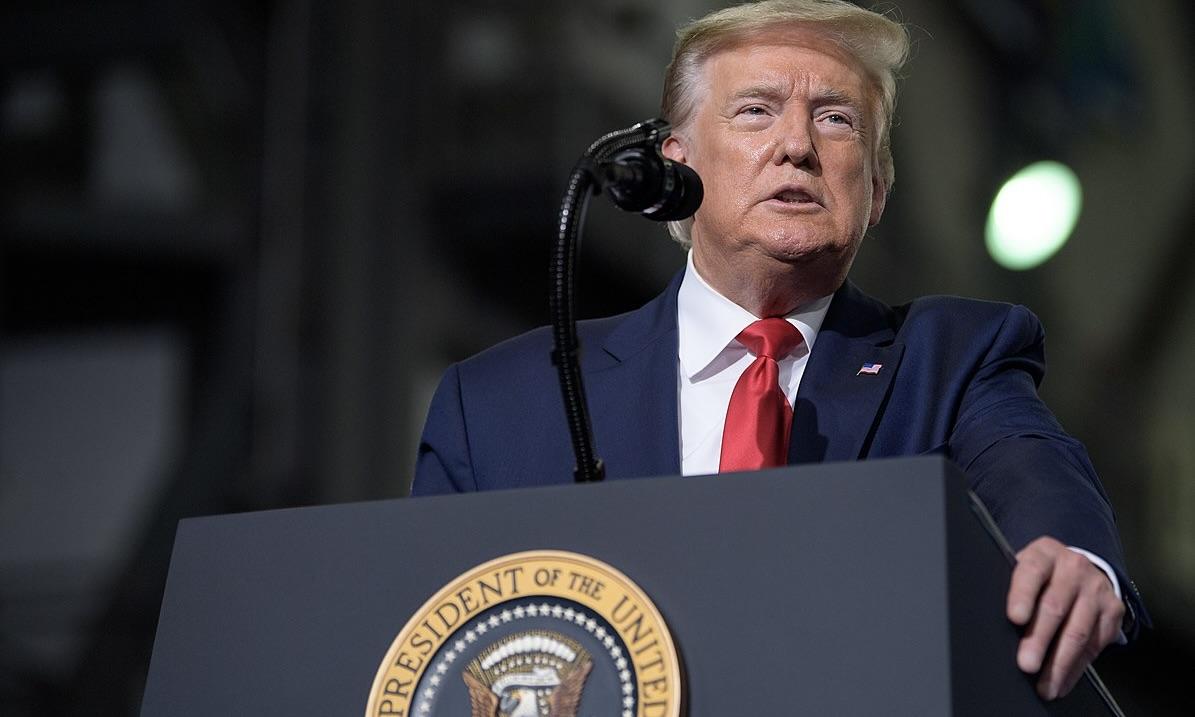
As President-elect Donald Trump prepares to assume office in January 2025, his administration is poised to implement significant changes in the U.S. education system. Central to these reforms are alterations in federal funding and the promotion of school choice, aiming to reshape the educational landscape.
Redefining Federal Education Funding
The Trump administration plans to reduce the federal government's role in education, advocating for increased state and local control. This approach seeks to decentralize decision-making, allowing communities to tailor educational policies to their specific needs. However, critics express concern that diminished federal funding could lead to disparities in educational quality, particularly in underfunded districts.
Promoting School Choice
A cornerstone of Trump's education policy is the expansion of school choice. The administration proposes legislation to provide tax credit scholarships, enabling parents to select private schools or homeschooling options for their children. This initiative aims to empower families with greater control over their children's education. Supporters argue that increased competition will drive improvements in both public and private schools. Conversely, opponents worry that such measures may divert essential resources from public schools, potentially exacerbating existing inequalities.
Potential Impact on Public Education
The proposed reforms are expected to significantly impact public education. By reducing federal oversight and funding, schools may face challenges in maintaining programs and services that are vital to student success. Educators and administrators are preparing for potential fiscal constraints and the need to adapt to a more competitive educational environment.
National Education Association
Netizens React to Trump's Education Reforms
The announcement of Trump's education reforms has sparked diverse reactions on social media:
-
@EducatorJane: "Reducing federal funding for education is a step backward. Our schools need more support, not less."
-
@PolicyAnalystTom: "School choice empowers parents and fosters competition. This could lead to better educational outcomes."
-
@TeacherUnionRep: "Cutting federal funding will harm students in underprivileged areas. We need equitable resources for all."
-
@ParentAdvocateSue: "Tax credit scholarships are a win for families seeking quality education options."
-
@EdReformNow: "Decentralizing education allows for more localized and effective solutions to student needs."
-
@CommunityLeaderMike: "We must ensure that changes don't widen the achievement gap. Equity should remain a priority."
President-elect Trump's proposed education reforms, focusing on federal funding and school choice, are set to transform the U.S. education system. While these changes aim to provide greater autonomy to states and families, they also raise concerns about potential impacts on public education and equity. As the administration moves forward, it will be crucial to balance innovation with the need to support all students effectively.







