


 Asian Stocks Fall as Bond Yields Surge Ahead of Trump-Xi Summit
  Gold Holds Near $4,275 as Rising Treasury Yields Fuel Fed Rate Hike Bets
  China’s ‘Lipstick King’ Says AI Won’t Replace Livestream Hosts
  Dollar Falls as Oil Eases, Yen Jumps on Intervention Signals
  Dollar Holds Near Two-Month High as Yen Approaches 160
  Japan Private-Sector Growth Slows as Domestic Demand Weakens
  RBI Uses $10 Billion Currency Swaps to Drain Excess Rupee Liquidity
  Japanese Bank Stocks Surge as Bond Yields Fuel Rate Hike Bets
  US Stock Futures Fall as Treasury Yields Surge Ahead of Trump-Xi Summit
  Asian Currencies Mixed as Dollar Holds Near Two-Month High
  European Stocks Fall as Bond Yields and Geopolitical Risks Weigh
  Gold Prices Fall as Treasury Yields Rise on Fed Rate Hike Bets
  Oil Prices Jump 3% as Houthi Attack Revives Supply Fears
  Fed’s Hammack Says Bond Yield Surge Is Not Driven by Inflation Fears
  Japanese Yen Rebounds as Trump Flags Currency Weakness
  Oil Prices Fall on U.S.-Iran Hormuz Deal Hopes
  Wall Street Ends Flat as Oil, Treasury Yields and Fed Jitters Rattle Markets


 Add as a preferred source on Google
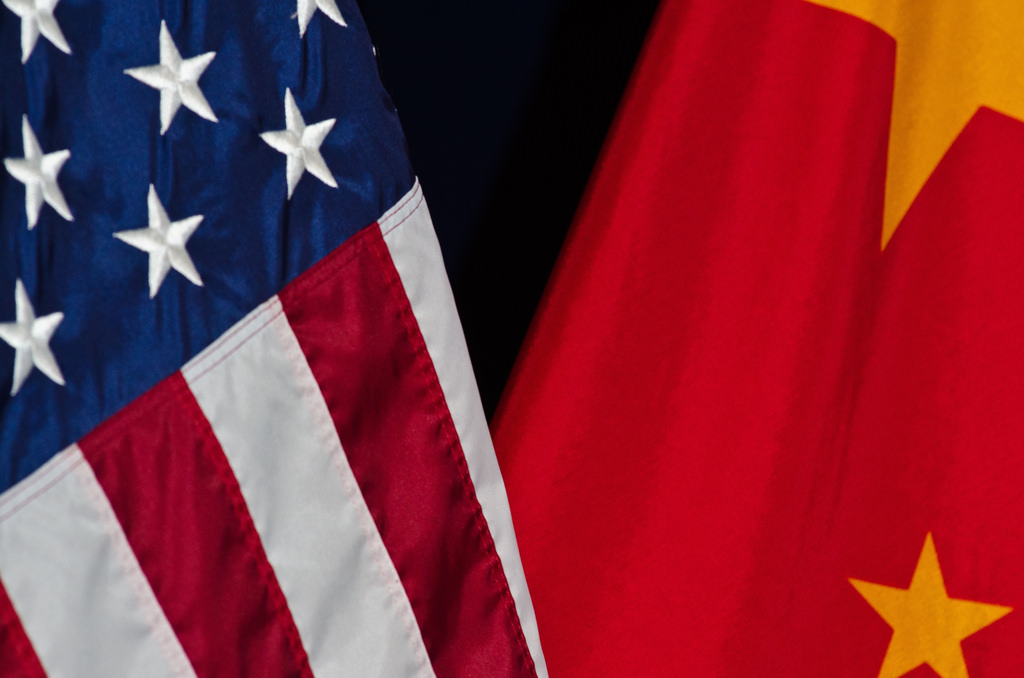
A weaker U.S. dollar and falling interest rates usually provide a lift to emerging markets, and this time China—often lagging in global rallies—may benefit from an unusual tailwind. While the Federal Reserve’s first rate cut since December failed to stir U.S. equities, history shows Chinese markets often respond more positively to easier U.S. monetary policy.
UBS analysis highlights that in the six months following the first U.S. rate cut in the last three easing cycles (2007, 2019, and 2024), the MSCI China Index delivered an average return of 11%, beating broader emerging market and global peers by 7 and 13 percentage points. Offshore Chinese stocks such as New York-listed ADRs and Hong Kong H-shares typically outperformed onshore A-shares, though this cycle could prove different.
Tech-heavy segments like internet platforms, data centers, and semiconductor stocks were past winners, rallying over 25% compared to the broader market. However, cyclical and defensive plays—such as energy producers, utilities, and transport operators—lagged, as did high-beta sectors like autos, insurance, and property. The data suggests that rate cuts alone don’t repair structurally weak industries.
Still, sentiment toward China remains fragile. With patchy economic growth, unclear policy signals, and a lack of catalysts beyond low valuations, foreign investors remain cautious. UBS this time favors A-shares, expecting local retail inflows to offset weaker foreign appetite for ADRs.
Looking ahead, UBS forecasts further Fed cuts in October and December, totaling 75 basis points, which could drive the U.S. dollar lower and ease pressure on the yuan. A softer dollar may reduce China’s capital outflows, support funding conditions, and stabilize currency risk.
Investors may not need to believe in a Chinese economic rebound; simply seeing conditions stop worsening could attract flows. With Chinese equities trading at a 30% discount to developed peers, even a modest shift in momentum could offer a much-needed reprieve.







