


 US, China Extend Trade Truce to Jan. 10 Ahead of Trump-Xi Summit
  Oil Prices Ease as Iran Tensions Clash With Diplomacy Hopes
  U.S. Treasury Yields Surge as 30-Year Hits 22-Year High
  Japanese Bank Stocks Surge as Bond Yields Fuel Rate Hike Bets
  Soybean Futures Slip as Traders Await Trump-Xi Trade Signals
  Australia Unemployment Hits Five-Year High Despite Strong Jobs Growth
  Asian Currencies Mixed as Dollar Holds Near Two-Month High
  South Korea, US Discuss Warship Building Cooperation
  RBI Uses $10 Billion Currency Swaps to Drain Excess Rupee Liquidity
  U.S. 10-Year Treasury Yield Hits 2007 High as Fed Rate Hike Bets Rise
  Russian Envoy Dmitriev Heads to US for Ukraine Talks
  China’s ‘Lipstick King’ Says AI Won’t Replace Livestream Hosts
  Fed Unveils Stablecoin Rules Under GENIUS Act
  Oil Prices Surge as U.S.-Iran Diplomacy Hopes Fade
  Wall Street Ends Flat as Oil, Treasury Yields and Fed Jitters Rattle Markets
  US Stock Futures Fall as Treasury Yields Surge Ahead of Trump-Xi Summit
  Dollar Holds Near Two-Month High as Yen Approaches 160


 Add as a preferred source on Google
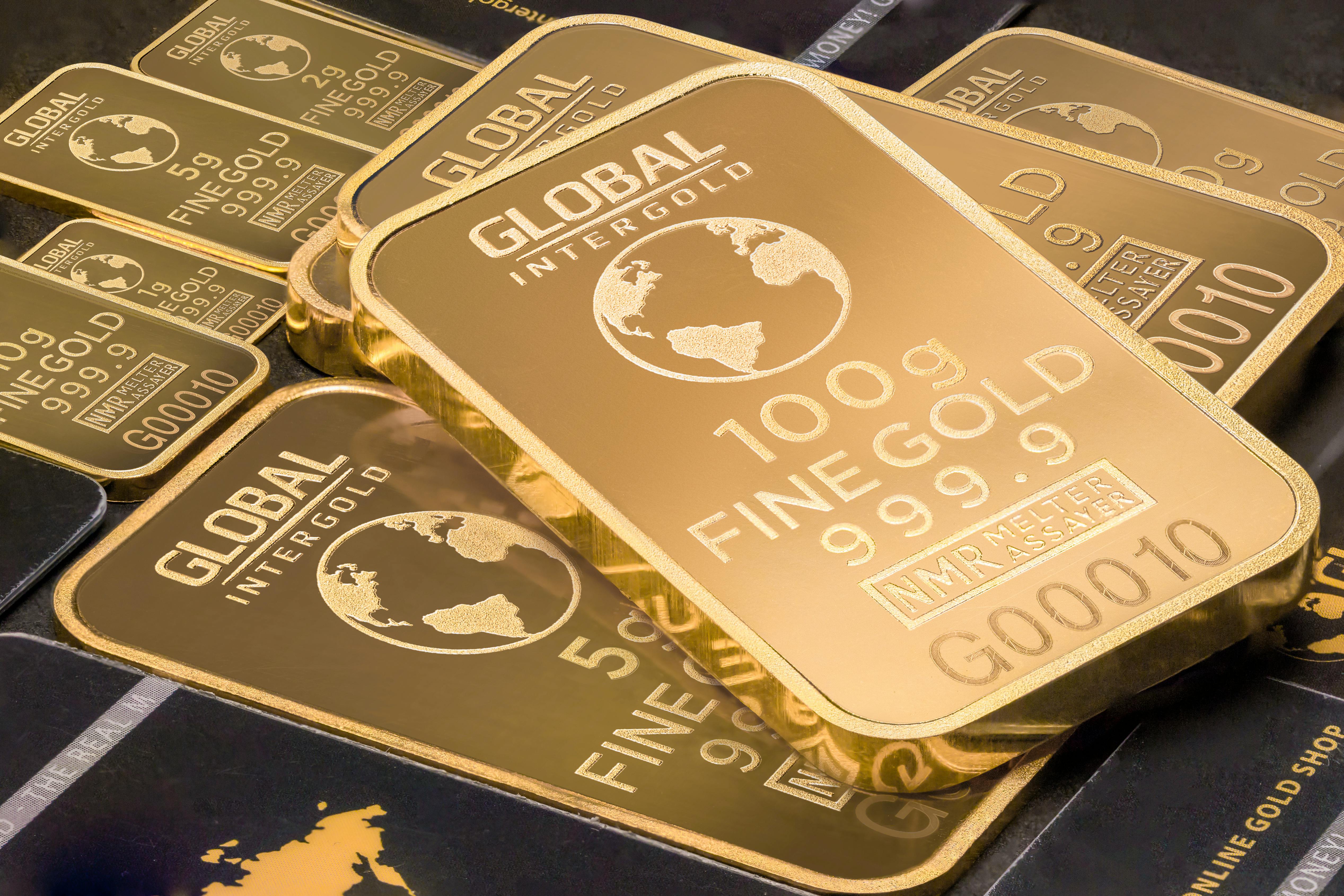
Gold prices climbed on Tuesday as investors returned to safe-haven assets during a brief equity market rally, though the precious metal remained on course for its steepest monthly decline in nearly 17 and a half years. Spot gold surged 3.8% to $4,682.23 per ounce, while gold futures gained 3.4% to reach $4,712.55 per ounce.
Despite Tuesday's recovery, bullion was down 11.3% for March, marking its worst monthly performance since October 2008 and snapping a seven-consecutive-month winning streak. The selloff has been driven largely by the ongoing U.S.-Israel military conflict with Iran, which has stoked inflation fears and reduced expectations for future Federal Reserve interest rate cuts, weighing heavily on non-yielding assets like gold and silver.
Market sentiment received a cautious lift after a Wall Street Journal report indicated President Trump was exploring options to wind down military operations in Iran. According to the report, U.S. officials concluded that reopening the Strait of Hormuz through military force would require an extended and complex operation, prompting a potential shift toward diplomatic pressure on Tehran, with support from Gulf and European allies. However, with the strait still closed and roughly 20% of global oil supply disrupted, energy-driven inflation concerns continue to cloud the outlook for precious metals.
Adding to the uncertainty, Trump publicly called on other nations to independently secure the strait, signaling a possible reduction in U.S. military involvement. Secretary of War Pete Hegseth echoed this stance, noting increased vessel traffic through the waterway.
Federal Reserve Chair Jerome Powell offered some reassurance by stating that long-term inflation expectations remain anchored despite near-term pressures. Meanwhile, other central banks, including the European Central Bank and the Bank of Japan, hinted at potential rate hikes to counter rising energy costs, further pressuring gold by lifting global bond yields.
Silver and platinum also posted sharp monthly losses, falling nearly 20% and 18% respectively in March, even as both metals rebounded strongly on the day.







