


 CTOC Adds 3,000 Doctors, 500 Hospitals Ahead of Liquidity Push
  NAB Plans to Cut 170 Jobs While Expanding Offshore Operations
  Chinese Universities with PLA Ties Found Purchasing Restricted U.S. AI Chips Through Super Micro Servers
  Unilever and Magnum Face Defamation Lawsuit Over Ben & Jerry's Board Chair Dismissal
  Ukrainian Drones and the #MadeByHousewives Movement: Kyiv Fires Back at Rheinmetall CEO
  Henkel in Advanced Talks to Acquire Olaplex at $2 Per Share
  Russell 1000 Companies Hit $2.2T Cash Record While Aggressively Reinvesting in Growth
  Brown-Forman and Pernod Ricard in Merger Talks to Create World's Largest Spirits Giant
  McDonald's and Restaurant Brands International Face Headwinds Amid Iran Conflict and Rising Costs
  Bank of America's $72.5M Epstein Settlement: What You Need to Know
  9 Tips for Avoiding Tax Season Cyber Scams
  Brazil Meat Exports Weather Iran War Disruptions With Rerouted Shipments
  Eli Lilly and Insilico Medicine Forge $2.75 Billion AI-Driven Drug Discovery Deal
  Europe's Aviation Sector on Track to Meet 2025 Green Fuel Mandate
  Innate Pharma Reports 55% Revenue Drop and €49.2M Net Loss for 2025
  Novartis to Acquire Biotech Firm Excellergy in $2 Billion Deal
  Google's TurboQuant Algorithm Sends Memory Chip Stocks Tumbling


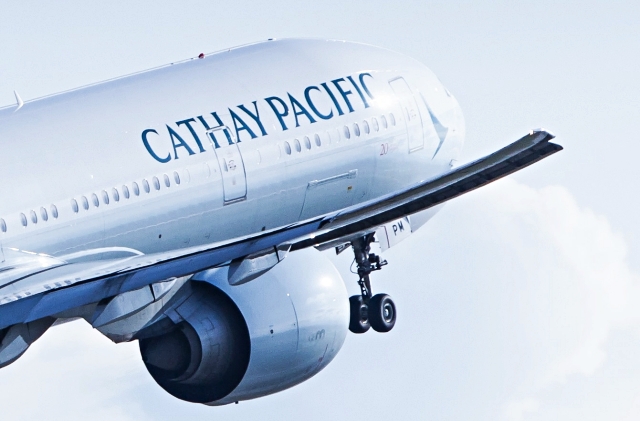
Cathay Pacific Airways CEO Ronald Lam announced Monday that the Hong Kong-based carrier is committed to sustaining its current flight capacity despite mounting pressure from surging jet fuel prices triggered by the ongoing Middle East conflict. Speaking at a Seattle event marking the launch of the airline's new Seattle-Hong Kong route, Lam made clear that reducing capacity would only be considered as a last resort.
Since hostilities between the U.S., Israel, and Iran escalated last month, air traffic through the Middle East has dropped significantly, rerouting travel demand toward long-haul destinations. Cathay Pacific has responded by capitalizing on increased passenger and cargo interest across its North American, European, and Australian routes, with Lam noting a noticeable uptick in bookings on select long-haul services.
However, the airline's leadership remains cautious. Jet fuel costs have more than doubled compared to pre-conflict levels, raising serious concerns about long-term financial sustainability. Lam acknowledged that if elevated fuel prices persist, the demand environment would no longer remain viable for normal operations. To offset the financial strain, Cathay Pacific has implemented fuel surcharges — a strategy widely adopted across the aviation industry — without resorting to the capacity reductions seen at other major carriers such as United Airlines, SAS, and Air New Zealand.
Cathay Pacific's approach reflects a calculated balance between seizing short-term demand opportunities and managing growing cost pressures. The airline appears determined to protect its market position and passenger commitments, even as geopolitical uncertainty continues to reshape global aviation dynamics. Industry analysts will be watching closely to see whether sustained fuel price volatility eventually forces the carrier's hand, or whether Cathay Pacific's disciplined strategy allows it to weather the turbulence more effectively than its competitors.







