


 European Stocks Fall as Bond Yields and Geopolitical Risks Weigh
  Oil Prices Jump 3% as Houthi Attack Revives Supply Fears
  Dollar Falls as Oil Eases, Yen Jumps on Intervention Signals
  Fed’s Hammack Says Bond Yield Surge Is Not Driven by Inflation Fears
  Soybean Futures Slip as Traders Await Trump-Xi Trade Signals
  U.S. Dollar Hits Two-Month High as Oil, Treasury Yields Surge
  Mexico-US Trade Talks Delayed to October as Tariff Negotiations Continue
  Oil Prices Fall on U.S.-Iran Hormuz Deal Hopes
  Japan Private-Sector Growth Slows as Domestic Demand Weakens
  Fed Unveils Stablecoin Rules Under GENIUS Act
  Gold Holds Near $4,275 as Rising Treasury Yields Fuel Fed Rate Hike Bets
  Dollar Holds Near Two-Month High as Yen Approaches 160
  Australia Unemployment Hits Five-Year High Despite Strong Jobs Growth
  US Stock Futures Fall as Treasury Yields Surge Ahead of Trump-Xi Summit
  Gold Prices Fall as Treasury Yields Rise on Fed Rate Hike Bets
  Wall Street Ends Flat as Oil, Treasury Yields and Fed Jitters Rattle Markets
  China’s ‘Lipstick King’ Says AI Won’t Replace Livestream Hosts


 Add as a preferred source on Google
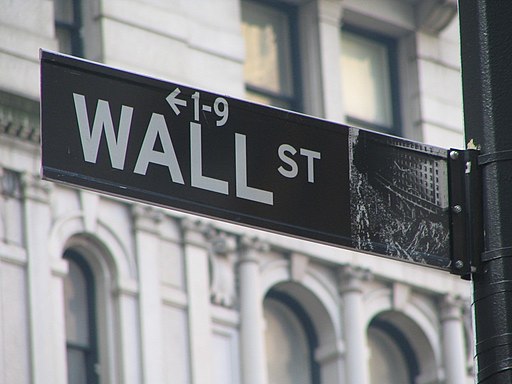
Wall Street’s three major indexes closed at record highs on Thursday, driven largely by strength in the technology sector, even as investors weighed weak labor market signals during the ongoing U.S. government shutdown.
The Dow Jones Industrial Average added 78.62 points, or 0.17%, closing at 46,519.72. The S&P 500 edged up 4.15 points, or 0.06%, to 6,715.35, while the Nasdaq Composite advanced 88.89 points, or 0.39%, to 22,844.05. The Nasdaq was the day’s top gainer, supported by heavyweight technology stocks including Nvidia, Apple, and Broadcom. Both the Dow and the S&P 500 notched consecutive record closes, while the Nasdaq narrowly missed one after hitting an intraday high.
Investor focus turned to private labor market reports, as official government data remained unavailable due to the shutdown. Challenger, Gray & Christmas reported fewer layoffs in September, but noted that 2024 hiring plans are the weakest since 2009. This followed a softer-than-expected ADP employment report a day earlier, intensifying speculation about the Federal Reserve’s next moves. Markets are now widely pricing in two additional rate cuts this year, including one expected in late October.
Sector performance highlighted the tech industry’s 0.5% gain, with semiconductor stocks jumping 1.9% to reach a record closing high. Materials advanced 1%, while energy lagged, dropping 1%. Consumer discretionary was the biggest drag, as Tesla shares tumbled 5%, their steepest fall since July, despite strong quarterly deliveries. Analysts cited risks from the expiration of the $7,500 federal EV tax credit.
Other notable moves included sharp declines in Equifax (–8.5%) and TransUnion (–10.6%) after FICO launched a new credit score program that bypasses the bureaus, boosting its own shares nearly 18%. Occidental Petroleum fell 7.3% after announcing a $9.7 billion sale of its petrochemical unit to Berkshire Hathaway.
Despite shutdown worries, market breadth was positive, with advancing stocks outpacing decliners on both the NYSE and Nasdaq. Trading volume remained in line with the 20-day average, signaling steady investor confidence even in a cautious environment.







