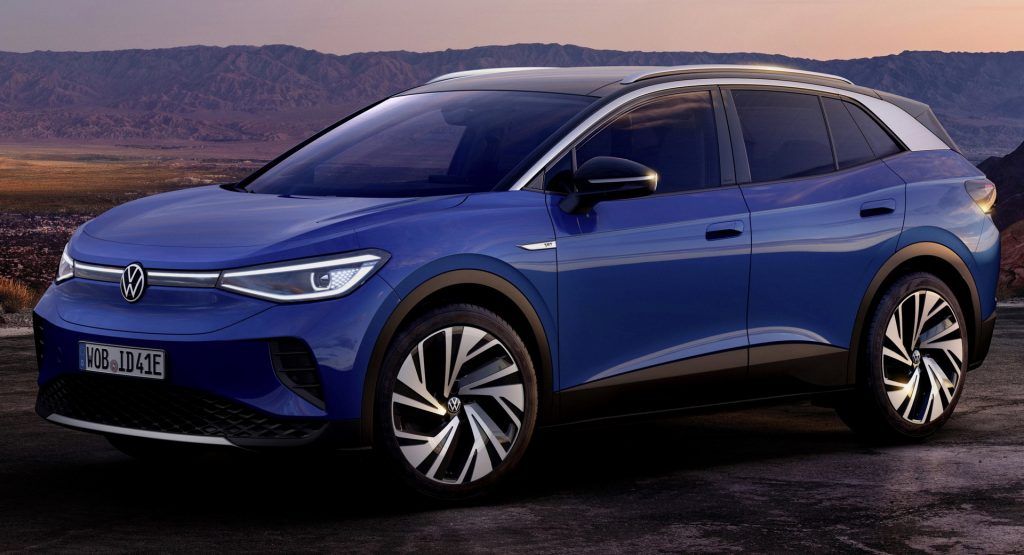
Volkswagen Korea is being criticized for delivering its brand-new all-electric ID.4 SUV faster to customers who obtain financing from its auto finance service.
Industry sources claim that Volkswagen Korea’s dealers are promising customers that they can receive their cars earlier regardless of the waiting number by availing of their auto loans.
For those purchasing an ID.4 model using Volkswagen Financial Services loans, the 60-month interest rate is estimated at 7.7 percent, far higher than credit card installment plans, which have an annual interest rate of about 4 percent.
Volkswagen Korea offers no discount for the ID.4 even when using their auto loans.
The South Korean unit of the German carmaker denied that its financial products have anything to do with the delivery date.


Nvidia, ByteDance, and the U.S.-China AI Chip Standoff Over H200 Exports
Bank of Japan Signals Readiness for Near-Term Rate Hike as Inflation Nears Target
Missouri Judge Dismisses Lawsuit Challenging Starbucks’ Diversity and Inclusion Policies
Global PC Makers Eye Chinese Memory Chip Suppliers Amid Ongoing Supply Crunch
TSMC Eyes 3nm Chip Production in Japan with $17 Billion Kumamoto Investment
TrumpRx Website Launches to Offer Discounted Prescription Drugs for Cash-Paying Americans
Dow Hits 50,000 as U.S. Stocks Stage Strong Rebound Amid AI Volatility
Japan Economy Poised for Q4 2025 Growth as Investment and Consumption Hold Firm
Uber Ordered to Pay $8.5 Million in Bellwether Sexual Assault Lawsuit
Thailand Inflation Remains Negative for 10th Straight Month in January
Amazon Stock Rebounds After Earnings as $200B Capex Plan Sparks AI Spending Debate
South Korea’s Weak Won Struggles as Retail Investors Pour Money Into U.S. Stocks
Washington Post Publisher Will Lewis Steps Down After Layoffs
Global Markets Slide as AI, Crypto, and Precious Metals Face Heightened Volatility
Baidu Approves $5 Billion Share Buyback and Plans First-Ever Dividend in 2026
Japanese Pharmaceutical Stocks Slide as TrumpRx.gov Launch Sparks Market Concerns
Trump’s Inflation Claims Clash With Voters’ Cost-of-Living Reality 


