


 Time to buy local: war fuel price shocks reveal the folly of a long food supply chain
  Erste Group Plans Tender Offer to Boost Poland Bank Stake
  Dubai’s connectivity remains strong in an uncertain world
  Oura IPO Draws Strong Demand Ahead of $2.2 Billion Offering
  ‘Buy now, pay later’ doesn’t feel like debt. For young people, that can be a big problem
  UK PM Burnham to Unveil Economic Vision at Labour Conference
  Almonty Industries Shares Jump 8% After Stifel Sets $25 Target
  ECB May Stop Rate Hikes After December, Capital Economics Says
  TikTok Reaches $100 Million Alabama Settlement Over Child Safety Claims
  OpenAI Agents Access U.S. Government Websites During Testing
  Yes, government influences wages – but not just in the way you might think
  US Stocks Face Jobs, Inflation Test as Fed Rate Hike Bets Rise
  How to support someone who is grieving: five research-backed strategies
  AI is driving down the price of knowledge – universities have to rethink what they offer
  OpenAI, Anthropic CEOs Summoned to Australia AI Inquiry
  Why have so few atrocities ever been recognised as genocide?
  Trump to Ease U.S. Fuel-Economy Standards


 Add as a preferred source on Google
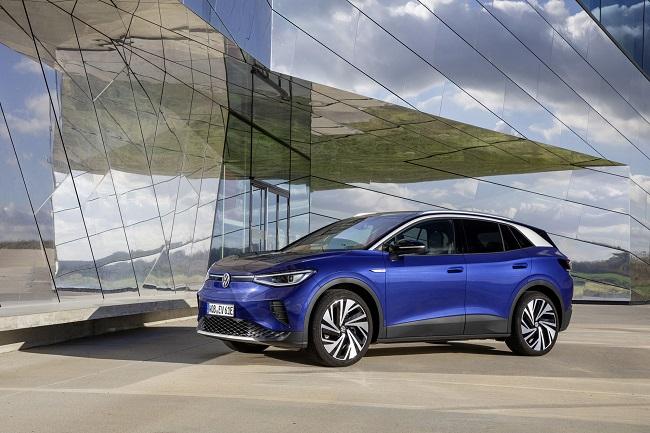
Volkswagen Group Korea (VWGK) is focused on reviving sales and regaining consumer confidence, which was hurt by the company’s diesel emissions scandal in 2015.
In South Korea, Volkswagen voluntarily stopped selling vehicles in July 2016 and resumed sales in early 2018.
Sales remained weak in the following years but recently began to perk up due to new models and its “stabilization” efforts.
This year, the company changed its name from Audi Volkswagen Korea to VWGK in line with a global strategy to consolidate the group’s brands in countries into which it has advanced.
The name change is aimed at enhancing synergy and efficiency among its brands launched in Korea. VWGK’s role is to establish a solid business structure together.
Volkswagen Group carries seven out of its 10 brands in Korea — four under its wing and three independently. The four brands are Audi, Volkswagen, Bentley, and Lamborghini, and the three are Porsche, Ducati, and Volkswagen Commercial Vehicles.
In September, the Volkswagen ID.4 made its first debut outside of Europe in Korea, which the group sees as “essential” for its e-mobility business.
The Q4 e-Tron 40 is aimed at gaining a share in the burgeoning local EV market. Lamborghini launched the Urus S in Korea last month for the first time not only in Asia but worldwide.
In the coming year, VWGK’s Group Managing Director Till Scheer said the company plans to bring more EV models to Korea to benefit from the country’s advanced charging infrastructure and local consumers’ growing appetite for zero-emission cars.
Under the New Auto strategy, Volkswagen Group plans to launch 50 EV models globally by 2030 and raise the portion of EVs to 50 percent out of its overall lineup.







