


 Locked up then locked out: how NZ’s bank rules make life for ex-prisoners even harder
  Why have so few atrocities ever been recognised as genocide?
  6 simple questions to tell if a ‘finfluencer’ is more flash than cash
  Want to cut your energy bills? Here’s how five experts are doing it
  Unsustainable – or manageable? We don’t yet know how data centres will impact Australia’s environment
  Europe can’t achieve space sovereignty alone. Here’s why
  Google promotes ‘teacher approved’ apps for kids. Here’s what parents should know
  Britain has almost 1 million young people not in work or education – here’s what evidence shows can change that
  What is Zionism? The different meanings of a contested term


 Add as a preferred source on Google
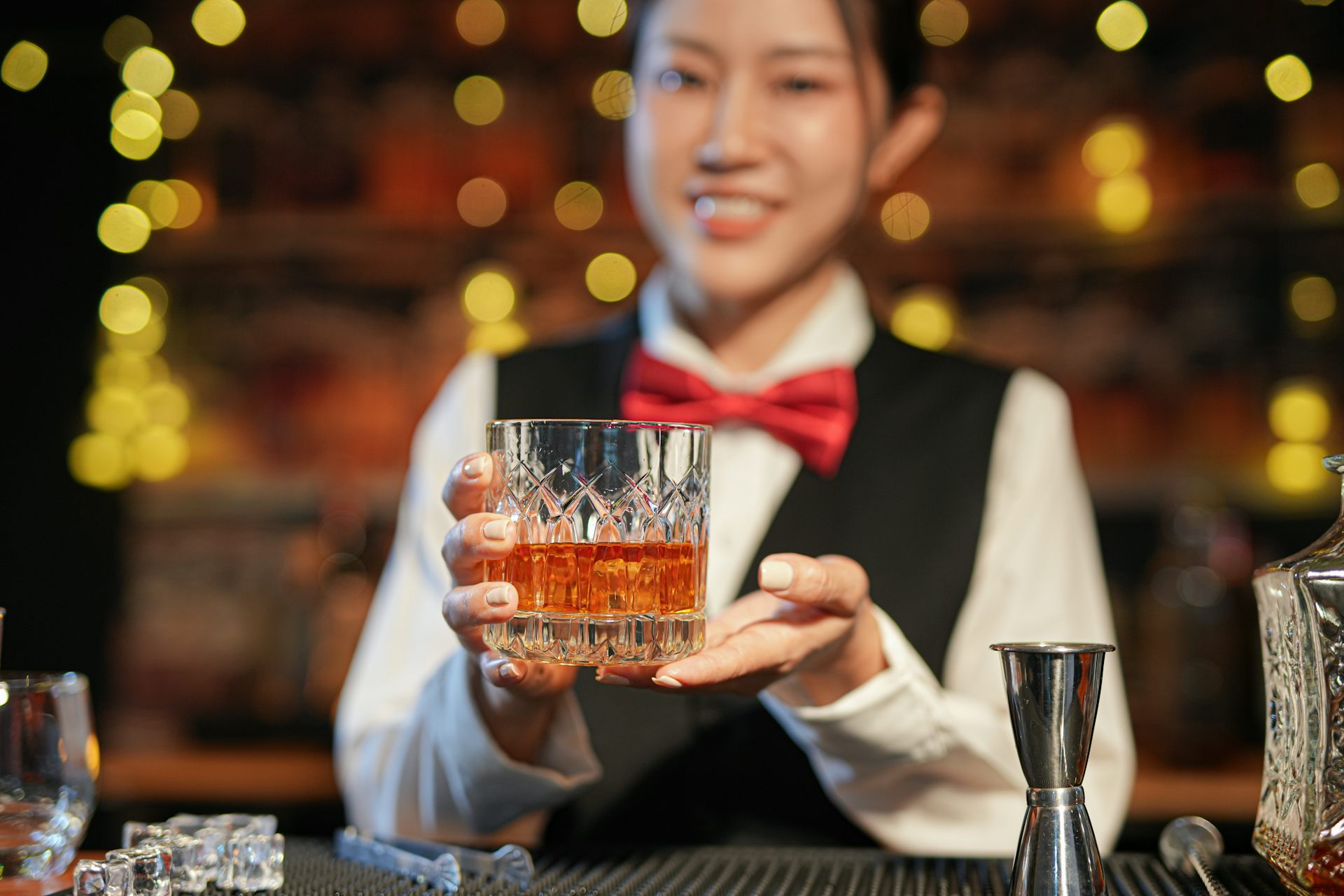
For more than a decade, China has been one of the most important growth engines for western luxury brands. From fashion and watches to fine wines and spirits, rising incomes and global exposure have fuelled an extraordinary appetite for premium products.
Scotch whisky has been a major beneficiary. Between 2019 and 2023, exports to China surged in value from under £90 million to more than £235 million. But sales have fallen for three consecutive years, while inflation, rising costs and trade tensions have squeezed margins. Now, exports may benefit once again after China halved tariffs on scotch from 10% to 5%.
The sales slowdown reflects a maturing market in which Chinese consumers are becoming more selective, more knowledgeable and more demanding. This is leading to a shift from volume to value, from older to younger consumers, and from conspicuous to considered consumption. These trends help explain both the recent downturn and the sector’s longer-term resilience.
After the height of the COVID pandemic, when economic confidence weakened in China, luxury consumption adjusted, with consumers buying fewer items but investing more carefully.
This pattern is clearly visible in whisky. While overall volumes have fallen, it continues to benefit from “premiumisation” – sustained interest in aged single malts, limited editions and iconic distilleries.
A young, educated whisky culture
Unlike western markets, where whisky has traditionally been associated with older drinkers, China’s core whisky consumers are young. The typical whisky drinker is gen Z: urban, affluent, well-educated and often well-travelled internationally.
A new generation has reframed whisky as a form of cultural capital, with tasting, collecting and investing in casks becoming increasingly common. Single-malt brands such as Glenfiddich and The Macallan have thrived in this environment, with data showing that their market share has tripled since 2019.
China is the ninth largest market for UK whisky exports. In 2024, the UK accounted for 85.6% of China’s whisky imports by value – most of this is scotch. For Chinese consumers, luxury has long been tied to authenticity and provenance. In premium spirits, this logic is particularly powerful.
In China, the value of most western luxury brands is underpinned by their history, heritage, craftsmanship and distinctive cultural narratives. Here, “country of origin” functions as a powerful source of authenticity and uniqueness.
This is especially pronounced in scotch whisky, where the product category is intimately associated with Scotland’s landscape, climate and production traditions. A stringent regulatory system legally defines where, how and under what conditions scotch can be produced, matured and bottled. For Chinese consumers seeking symbolic reassurance of quality and legitimacy, “Scottishness” itself operates as a brand asset.
Even as international firms invest in distilleries inside China, Chinese whisky has not displaced demand for imported scotch. Instead, it has sharpened distinctions between “original” and “localised” products. In business and social contexts, prestigious scotch still functions as a form of social currency, signalling trust, respect and global sophistication.

Chinese consumer culture is changing – but Scottish single malts remain in demand. TY Lim/Shutterstock
China’s wider luxury market has softened since 2023, with sales falling by up to 20% in some categories. Economic uncertainty exacerbated by geopolitics, a downturn in house prices and subdued consumer confidence have reshaped spending priorities for Chinese consumers.
At the same time, values are changing. Younger consumers are moving away from overt displays of wealth towards more subtle expressions of taste, focusing on experiences and cultural capital. In whisky, this is reflected in a “drink less, drink better” mindset. Consumers are trading down from ultra-premium bottles towards high-quality but more accessible options, mirroring broader shifts in China’s luxury landscape.
Whisky diplomacy
This recalibration of consumption is unfolding alongside renewed trade diplomacy. The deal to halve tariffs came during the UK prime minister Keir Starmer’s state visit to Beijing following nearly eight years of strained relations between the countries.
In premium alcohol markets, tariff changes like these are highly significant, directly affecting overall costs, distributor incentives and the price paid by the consumer.
But the visit mattered for more than economic reasons. For many Chinese consumers of British heritage brands, there is a strong emotional and cognitive appreciation of the country’s traditions, aesthetics and lifestyle – an expression of the UK’s soft power. However, political mistrust between the UK and China could chip away such “soft power” in the minds of Chinese consumers if it remains unresolved.
In this context, Starmer’s visit came to symbolise renewed mutual interest and long-term commitment. Such diplomatic signals can shape consumer sentiment, reinforcing perceptions of openness, legitimacy and stability. For British luxury brands, this symbolic reassurance may be almost as important as tariff reductions in sustaining the trust and loyalty of Chinese consumers.
More broadly, the agreement highlights why a constructive UK–China relationship matters for the scotch industry. Whisky supports distilling, agriculture, packaging, logistics, tourism and rural employment in the UK. Maintaining access to China’s premium segment is vital for sustaining investment and skills.
Following the boom years, China’s relationship with western luxury brands is entering a more stable and disciplined phase. For scotch whisky, rarity, provenance and authenticity remain powerful assets. As long as producers adapt to China’s more discerning consumers – and are supported by constructive trade relations – the long-term outlook looks positive. In a world of oversupply and shrinking margins, China’s cautious connoisseurs may yet prove to be among scotch’s most valuable allies.

Qing Wang does not work for, consult, own shares in or receive funding from any company or organisation that would benefit from this article, and has disclosed no relevant affiliations beyond their academic appointment.
Qing Wang, Professor of Marketing and Innovation, Director, Marketing Innovation and The Chinese and Emerging Economies (MICEE) Network, Warwick Business School, University of Warwick








