


 US, China to Hold AI Talks Ahead of Xi’s September Visit
  Nationwide Data Center Protests Highlight Growing Backlash Against AI Expansion
  Foxconn Wins First SpaceX AI Server Contract Worth Estimated $52 Billion
  ETHUSD Breaks Above $1900 as Bulls Eye $2300 and Beyond
  Mikron H1 2026 Sales Fall 5.9% as Automation Weakness Weighs on Profit
  Wistron Opens $700M Texas AI Factory to Build Nvidia Superchips in U.S.
  FxWirePro- Major Crypto levels and bias summary
  Hyundai Takes Full Control of Boston Dynamics to Accelerate Humanoid Robot and AI Strategy
  AI Chip Stocks Face Valuation Pressure as Investors Shift Toward Big Tech and Software
  Morgan Stanley Downgrades Adobe, Workday as AI Transition Raises Growth Concerns
  Sam Altman Admits OpenAI Missteps, Promises Major AI Comeback Focused on User Freedom
  BTCUSD Holds Above 365 EMA as Bullish Momentum Builds Toward $70K


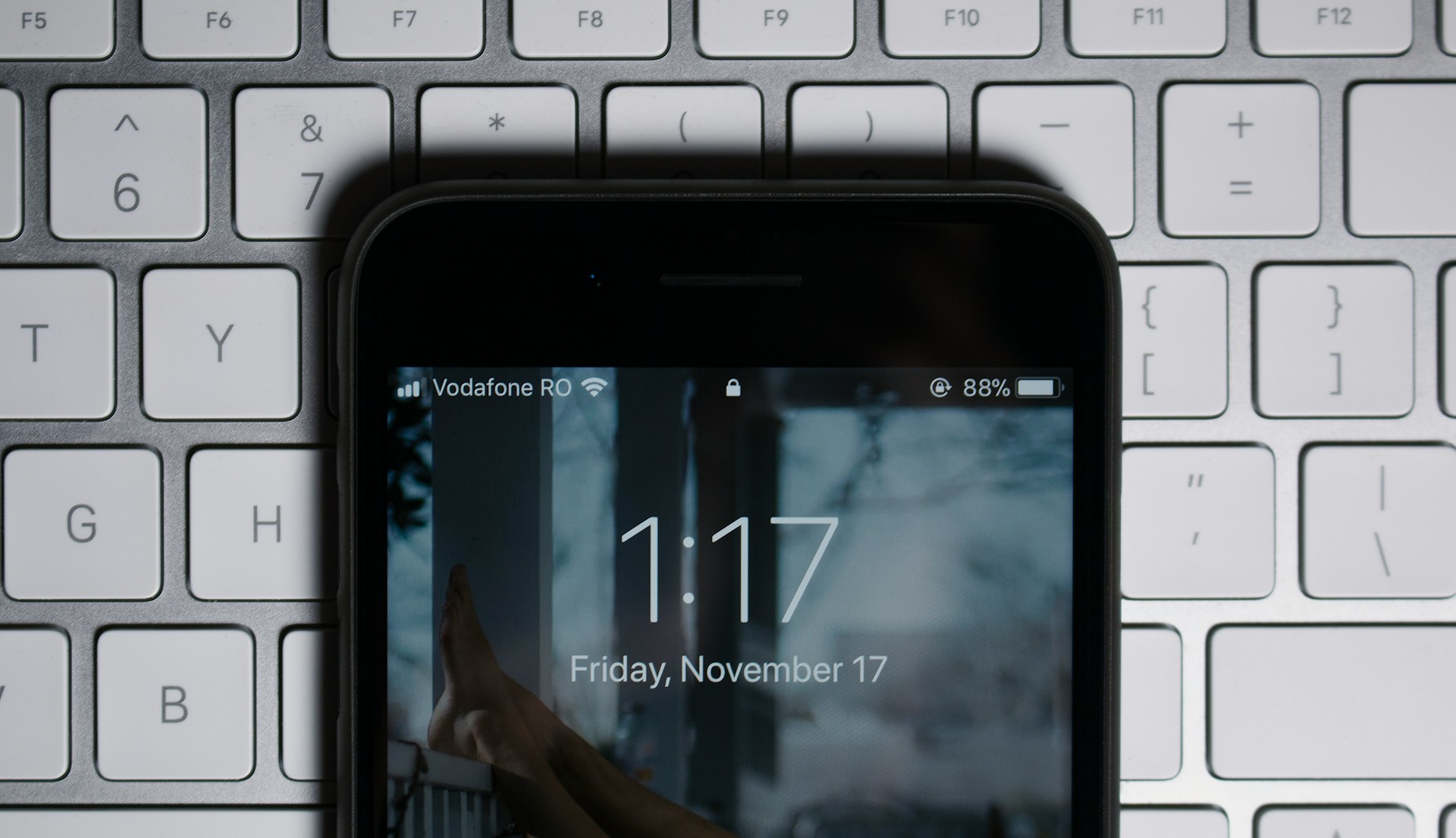
Vodafone, the UK-based telecom giant, is pioneering a groundbreaking initiative to fuse blockchain technology with smartphone functionality by integrating cryptocurrency wallets directly into SIM cards. This innovative move is part of the company's broader financial strategy to secure substantial loans, including $1.8 billion over the next two years.
Revolutionizing Smartphone Technology
Vodafone is reportedly seeking $1.8 billion in loans as part of a plan to raise $2.9 billion in debt. It intends to bring blockchain technology to smartphone consumers by combining cryptocurrency wallets with subscriber identity module (SIM) cards.
The ambitious endeavor comes amid a firm finance strategy that reportedly includes Vodafone Idea Ltd., a separate corporation operating in India in which Vodafone Group owns a 45% stake, incurring approximately $3 billion in debt, including $1.8 billion in loans over the next two years.
Vodafone Blockchain Lead David Palmer recently spoke with Yahoo Finance Future Focus on the company's plans to integrate blockchain technology into smartphone sim cards.
“By 2030 we’re expecting more than 20 billion mobile phones to be in operation, many of those being smartphones. … So we’ve focused on linking the sim card to digital identity, linking the sim card to blockchains, and using the cryptography we have in those sim cards for that integration,” he said.
Palmer expanded on the data he provided, forecasting that approximately eight billion cell phones will be in use by 2030 and that crypto wallets will jump to 5.6 billion in the same time frame—enough to account for nearly 70% of all individuals on the planet.
Financial Strategy for Innovation
Despite the financial wrangle with India-based Vodafone Idea Ltd, which recently sold $2.2 billion in shares ahead of a $3 billion debt-raising plan, Vodafone Group has had a busy 2024.
As Cointelegraph reported, the company has signed a 10-year strategic agreement with Microsoft to provide generative artificial intelligence (AI) services to Vodafone clients.
When Microsoft CEO Satya Nadella announced the deal, he used the opportunity to highlight the disruptive nature of his company's AI technology, claiming that the "new generation of AI will unlock massive new opportunities for every organization and every industry around the world."
This is not a startup's first attempt to integrate cell phone technology and blockchain hardware. In 2019, U.S. startup VaultTel announced plans to construct a physical wallet that could be inserted into a smartphone's SIM slot.
Photo: Fabian Albert/Unsplash







