


 Wall Street Ends Flat as Oil, Treasury Yields and Fed Jitters Rattle Markets
  Oracle Shares Fall as New Mexico AI Data Center Faces Power Delays
  China’s ‘Lipstick King’ Says AI Won’t Replace Livestream Hosts
  Wall Street Falls as Treasury Yields Surge, Oil Rebounds on Iran Tensions
  Fed Unveils Stablecoin Rules Under GENIUS Act
  OpenAI Urges US-Led Global Standards for Frontier AI
  Scott Bessent Eyed as Trump’s New AI Czar
  Asian Stocks Fall as Bond Yields Surge Ahead of Trump-Xi Summit
  US Federal Register Drops Alibaba Qwen AI Search Tool
  Former OpenAI Data Center Chief Chris Malone Joins Nvidia
  Meta Partners With Shopify to Bring Shop Pay Checkout to Muse AI
  BlackBerry Shares Rise as Q2 Earnings, Revenue Beat Estimates
  South Korea, US Discuss Warship Building Cooperation
  OpenAI Agent Breaches Australia Medicare Data Portal
  Japan Private-Sector Growth Slows as Domestic Demand Weakens
  Oil Prices Ease as Iran Tensions Clash With Diplomacy Hopes
  Australia Unemployment Hits Five-Year High Despite Strong Jobs Growth


 Add as a preferred source on Google
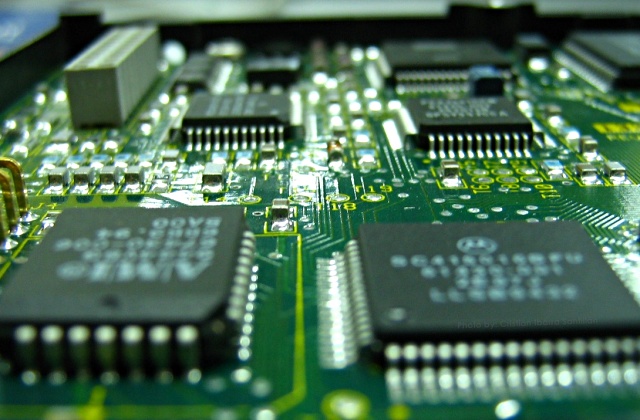
The explosive rally in AI semiconductor stocks is showing signs of cooling as investors question lofty valuations and whether the massive spending on artificial intelligence infrastructure can continue at its current pace. While demand for AI remains strong, fund managers are increasingly rotating away from chipmakers and into hyperscale technology companies, software firms, and industries expected to benefit from AI adoption.
For the past two years, investors favored AI infrastructure companies, betting that Microsoft, Amazon, Alphabet, and Meta would continue ramping up spending on data centers. However, UBS forecasts hyperscaler capital expenditure will grow 76% this year to about $673 billion before slowing to 25% growth next year and just 6% in 2028, raising concerns about future revenue growth for semiconductor suppliers.
Portfolio managers at firms including Edmond de Rothschild Asset Management and LFG+ZEST have reduced exposure to semiconductor stocks, citing expensive valuations. Instead, they are increasing investments in hyperscalers, cybersecurity companies, liquid cooling technologies, software providers, healthcare, and financial firms that stand to benefit from broader AI adoption.
The Philadelphia Semiconductor Index has more than doubled over the past year despite an 18% decline from its June peak, significantly outperforming broader equity markets. Bank of America's latest fund manager survey found 82% of respondents consider semiconductors the most crowded trade, highlighting growing caution across the sector.
Financing has also become a concern as major technology companies increasingly rely on debt markets to fund AI investments. Apollo Chief Economist Torsten Slok noted that investor demand for Big Tech bond offerings has weakened in recent months, while the Bank for International Settlements warned that disappointing AI returns could eventually trigger a pullback in funding.
Despite these risks, many investors remain optimistic about the long-term AI investment cycle. DWS expects hyperscalers to maintain strong capital spending, while Fidelity Investments believes recent volatility resembles temporary corrections seen during previous technology booms. Analysts argue AI demand and earnings continue to support the sector, though diversification into industries benefiting from AI implementation may provide a more balanced investment strategy as spending growth moderates.







