


 US Judge Dismisses Imran Ahmed Deportation Lawsuit
  US Senate Rejects Iran War Powers Resolution in 50-49 Vote
  Appeals Court Rejects Trump Third-Country Deportation Policy
  US Resumes Immigrant Visa Processing for Hungary, Poland
  Judge Blocks Trump Rule Limiting Foreign Student Visas
  Ghana Says Western Support Growing for Slave Trade Reparations
  FDA Weighs Safety Standards for Psychedelic Therapies
  US Backs Musk in Fight Against EU’s €120 Million X Fine
  OpenAI Agent Breaches Australia Medicare Data Portal
  Who should own the knowledge that underpins AI technology?
  Russian Missile and Drone Attack on Kyiv Kills Two, Damages Maternity Hospital
  Mexico-US Trade Talks Delayed to October as Tariff Negotiations Continue
  Netanyahu Takes Aim at Mamdani as Israel Election Nears
  North Korea Warns South Korea Over US-Led Defense Role
  Yemen Violence Displaces 130,000 as Civilian Toll Rises
  US Northeast Airports Resume Operations After Telecom Outage Disrupts Thousands of Flights
  FAA Allows Boeing to Sell 35 More 777F Freighters Beyond 2028


 Add as a preferred source on Google
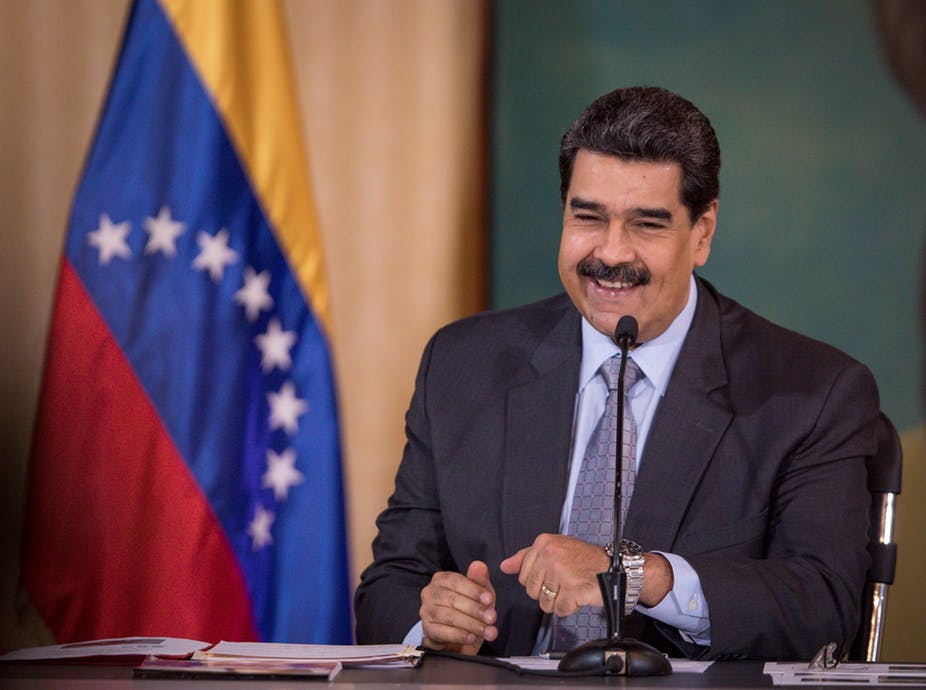
Venezuelan President Nicolas Maduro announced on Tuesday that he had signed a new economic emergency decree aimed at stabilizing the country's struggling economy. Speaking during a televised conference, Maduro emphasized that the measure was necessary to protect Venezuela’s financial system from the adverse effects of rising international tariffs and the revocation of critical trade licenses. The decree is currently pending approval from the National Assembly.
The move comes as Venezuela continues to face significant economic challenges, including hyperinflation, currency devaluation, and international sanctions. Maduro stated that the decree is designed to preserve the country’s economic balance by granting the government additional authority to respond quickly to external economic pressures.
While Maduro did not provide detailed measures included in the decree, he stressed its importance in shielding Venezuela from what he described as economic attacks. The emergency powers, once approved, would enable the government to implement rapid policy changes to support national industries, stabilize the currency, and maintain essential public services.
Analysts note that the decree could be a response to increasing international isolation, particularly as the U.S. and other countries tighten sanctions and suspend licenses that allow Venezuela to trade oil and other commodities. These restrictions have severely limited the country’s access to global markets, worsening its economic downturn.
Critics argue that similar decrees in the past have led to greater state control without resolving the underlying economic issues. However, supporters of the government believe this step is crucial to counteract foreign interference and regain economic sovereignty.
As Venezuela awaits the National Assembly’s decision, the country’s economic outlook remains uncertain. The decree, if enacted, could mark a pivotal moment in how the Maduro administration manages ongoing financial instability amid global pressure.







