


 North Korea Warns South Korea Over US-Led Defense Role
  What ‘Taiwan Independence’ Means as Xi Presses Trump on US Policy
  Putin Says Ukraine Peace Proposals Remain on Table
  France Defends Netanyahu Airspace Clearance Despite ICC Warrant
  Kremlin Says No Decision Yet on Putin-Trump December Summit
  Pope Leo Backs Press Freedom After White House Media Ban
  Pope Leo Warns UN, Multilateral Groups Face Crisis
  Saudi Arabia Seeks Military Support as Houthi Attacks Escalate
  Iran Rejects Nuclear Concessions in Hormuz Deal
  Abbas Reaffirms November 28 Palestinian Elections
  Ukrainian Drone Attacks Hit Russian Regions, Injuring at Least 12
  EU Agrees €6.6 Billion Military Aid Funding for Ukraine
  Saudi Arabia, Turkey and Pakistan Plan Urgent Defence Talks Over Houthi Attacks
  Trump Asks Supreme Court to Restore Third-Country Deportations
  Netanyahu’s Brief US Trip Highlights Strains With Trump
  Yemen Violence Displaces 130,000 as Civilian Toll Rises


 Add as a preferred source on Google
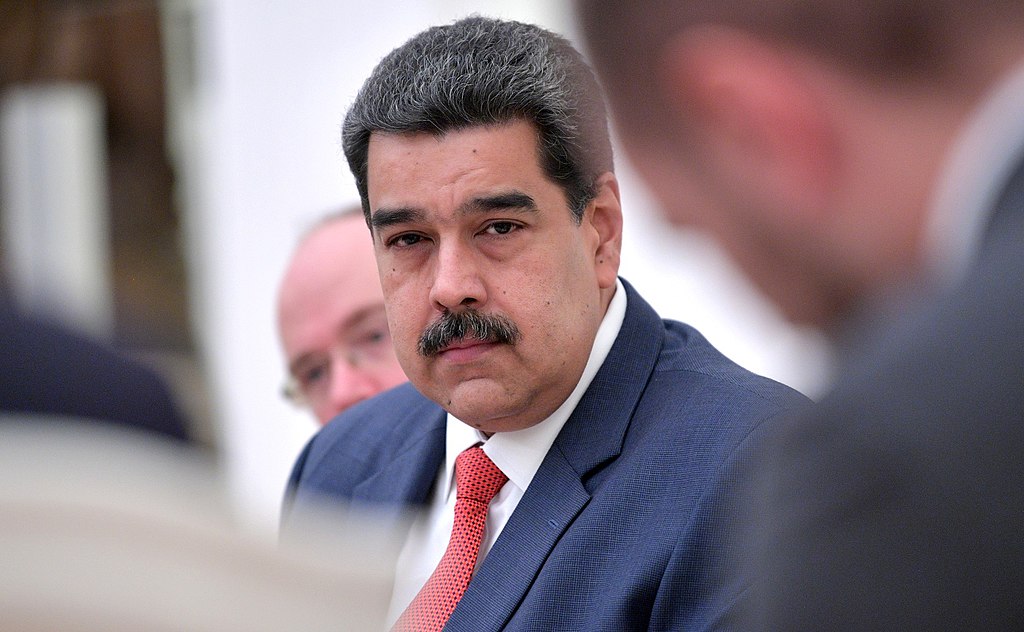
Venezuela is reportedly preparing for a potential U.S. attack by deploying decades-old Russian-made weapons and developing guerrilla-style defense plans, according to sources and defense documents reviewed by Reuters. The strategy reflects the South American nation’s lack of military capacity and outdated equipment as it braces for possible confrontation.
Amid increasing U.S. military activity in the Caribbean, President Donald Trump hinted at potential ground operations, though he later denied plans for direct strikes on Venezuela. President Nicolás Maduro, in power since 2013, has accused Washington of seeking regime change and vowed national resistance.
Venezuela’s military, weakened by poor training, low pay, and aging equipment, struggles to sustain its forces. Some commanders reportedly negotiate with local producers to feed troops, and rank-and-file soldiers earn about $100 monthly—well below the cost of living. Despite official claims of readiness, insiders admit the military is “not prepared” for conflict with the U.S.
Maduro’s government is pursuing two defense tactics: a guerrilla campaign called “prolonged resistance,” involving sabotage operations from over 280 sites, and an “anarchization” plan aimed at creating chaos through intelligence operatives and armed supporters to make Venezuela ungovernable. Analysts say both strategies are designed to deter intervention by emphasizing instability.
Venezuela’s arsenal, including Sukhoi fighter jets, tanks, and Igla missiles, is largely outdated. While Maduro claims to have deployed thousands of portable missile systems nationwide, experts note these weapons offer limited deterrence against advanced U.S. forces.
Defense experts believe Maduro’s public military displays are intended less to demonstrate strength and more to signal that any foreign invasion could unleash widespread chaos, potentially empowering guerrilla or criminal groups. The strategy underscores Venezuela’s focus on deterrence through instability rather than conventional defense capabilities.







