


 Hengrui Shares Rise on $2.6 Billion Novo Nordisk Obesity Drug Deal
  The pandemic is still disrupting young people’s careers
  Bitget Restores Withdrawals After $388 Million Security Breach
  Glastonbury is as popular than ever, but complaints about the lineup reveal its generational challenge
  BitMine Ethereum Holdings Top 6 Million ETH After $46 Million Purchase
  How to support someone who is grieving: five research-backed strategies
  6 simple questions to tell if a ‘finfluencer’ is more flash than cash
  Strategy Buys 1,665 Bitcoin as BTC Holdings Reach 847,666
  The Beauty Beneath the Expressway: A Journey from Self to Service
  Goldman Sachs Eyes John Waldron as CEO Successor
  Nvidia China Chip Sales Report Sends Chinese Semiconductor Stocks Lower
  Why financial hardship is more likely if you’re disabled or sick
  HUTCHMED, AstraZeneca Seek FDA Approval for Lung Cancer Combo
  TSMC Accelerates 2nm Expansion as AI Chip Demand Surges
  RedotPay Completes Audits as Stablecoin Firm Advances U.S. IPO Plans
  Why have so few atrocities ever been recognised as genocide?
  Pi Network Price Holds $0.087 as Protocol 28 Mainnet Upgrade Nears


 Add as a preferred source on Google
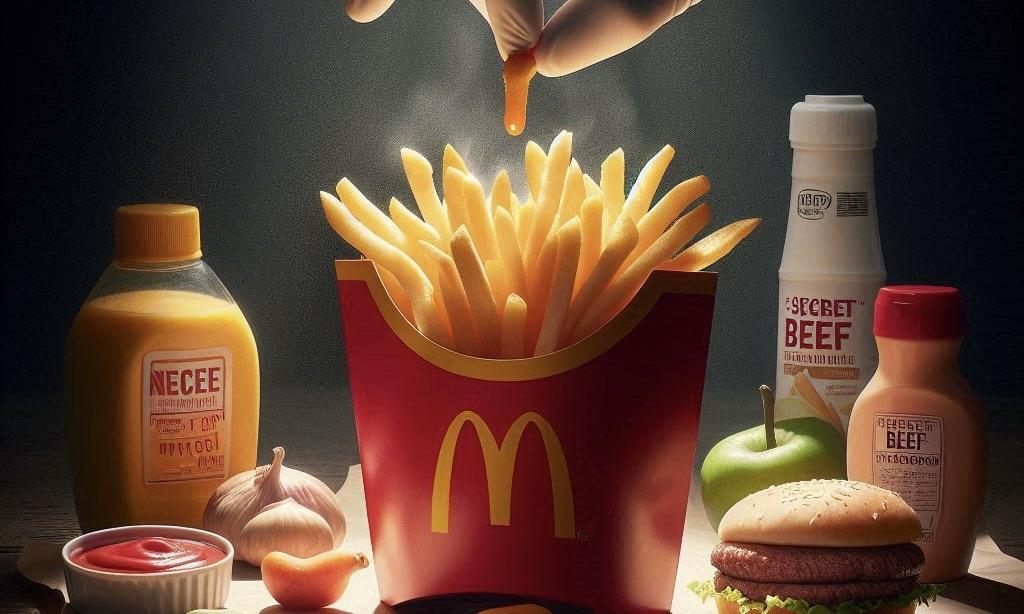
McDonald’s fries are beloved worldwide for their unique flavor, which comes from a surprising ingredient: beef flavoring. Originally fried in beef tallow, the fries now use beef-flavored oil to replicate that rich, distinctive taste that keeps customers coming back for more.
Discover the Secret Beef Flavoring Behind McDonald’s Iconic Fries and How It Shaped Fast Food History
McDonald's has mastered the art of fast food. The restaurant chain consistently delivers some of the most iconic burgers, refreshing sodas (with Sprite that many describe as "electric"), and undeniably delicious french fries. Even those skeptical of McDonald’s often praise the fries, which have garnered a global following and a variety of unique offerings in different countries. Each fry is perfectly salted and boasts a flavor unmatched by other fast-food chains. So, what’s the secret behind McDonald’s french fries? The answer lies in beef flavoring. Yes, McDonald’s fries are flavored with more than just salt and oil—the chain adds beef flavoring to its fry oil, enhancing the richness of the taste.
This practice stems from McDonald’s original fry recipe, which used beef tallow instead of vegetable oil. The beef fat gave the fries a crunchy exterior, a soft interior, and a distinctive, rich flavor that set them apart from other restaurant fries. However, due to health concerns, McDonald’s stopped using beef fat in the 1990s and replaced it with vegetable oil. Beef flavoring was later added to the recipe to replicate the original flavor. While those who remember the original fries might notice a difference, today’s fries still do an admirable job of capturing that classic taste, making them a beloved treat that many can’t resist snacking on before even leaving the drive-thru.
But why did McDonald’s switch from beef tallow to vegetable oil? Chowhound answered in a report, that the change began with Phil Sokolof, a businessman who suffered a heart attack at age 43 in 1966. After his heart attack, Sokolof founded the National Heart Savers Association, which is dedicated to reducing foods high in saturated fats to lower cholesterol levels. One of his main targets was McDonald’s famously fatty fries. In 1990, Sokolof’s efforts led McDonald’s to replace beef fat with vegetable oil.
McDonald’s Fries: The Role of Beef Flavoring and Dextrose in Crafting an Irresistible Fast-Food Classic
However, after the switch, many customers found the fries lacking in flavor and texture, leading McDonald’s to add beef flavoring to the oil. The beef flavoring remained even after another recipe change in 2007, prompted by health concerns over hydrogenated vegetable oil. Although some may still long for the original flavor, McDonald’s fries offer a taste reminiscent of their rich beginnings. For those who miss the taste of beef fat, it remains a popular ingredient in steakhouse kitchens, such as the famous Delmonico’s.
The beef flavoring gives McDonald’s fries a distinct taste, but it’s not the only secret ingredient. Many people can’t wait to dig into their fries because McDonald’s food, particularly the fries, is carefully crafted to hit the "bliss point." This precise balance of ingredients and flavors—sweet, salty, and rich—creates an irresistible craving.
You might wonder how McDonald’s fries incorporate sweetness since they aren’t sugary. The secret lies in dextrose, a type of sugar derived from corn used to coat the fries before frying. This coating doesn’t make the fries sweet but helps them achieve a golden color and a perfectly crispy exterior. All these factors combine to create a nearly perfect fast-food treat that has endured the test of time through multiple recipe changes.







