


 Blue Origin New Glenn Rocket Explodes During Launch Pad Test, Delaying Space Ambitions
  Novo Nordisk Eyes Turnaround as Oral Wegovy Challenges Eli Lilly in Weight-Loss Drug Race
  Trump Administration Releases New UFO Files and Apollo Mission Records
  Novo Nordisk Raises 2025 Outlook Despite Wegovy Pill Miss and CagriSema Setback
  Trump Signs Order to Cut Routine Childhood Vaccines
  Hanmi Pharm Soars 30% on $2.3 Billion Genentech Obesity Drug Deal
  France Keeps Top Health Alert as Officials Brace for Another Heatwave
  SpaceX Delays Starship V3 Launch Ahead of Potential Record IPO
  Trump and Merck KGaA Partner to Slash IVF Drug Costs and Expand Fertility Coverage
  The government is ‘doubling down’ on its social media ban. But bigger penalties for platforms aren’t enough
  FDA Weighs Safety Standards for Psychedelic Therapies
  NASA's Artemis II Crew Arrives in Florida for Historic Moon Mission
  France Battles Mediterranean Wildfires as Heatwave Fuels Fire Risk
  Trump Administration to Launch Autism Initiatives Targeting Acetaminophen Use and New Treatment Options
  Venezuela Earthquake Health Risks Rise as Disease Monitoring Intensifies
  SpaceX Prioritizes Moon Mission Before Mars as Starship Development Accelerates


 Add as a preferred source on Google
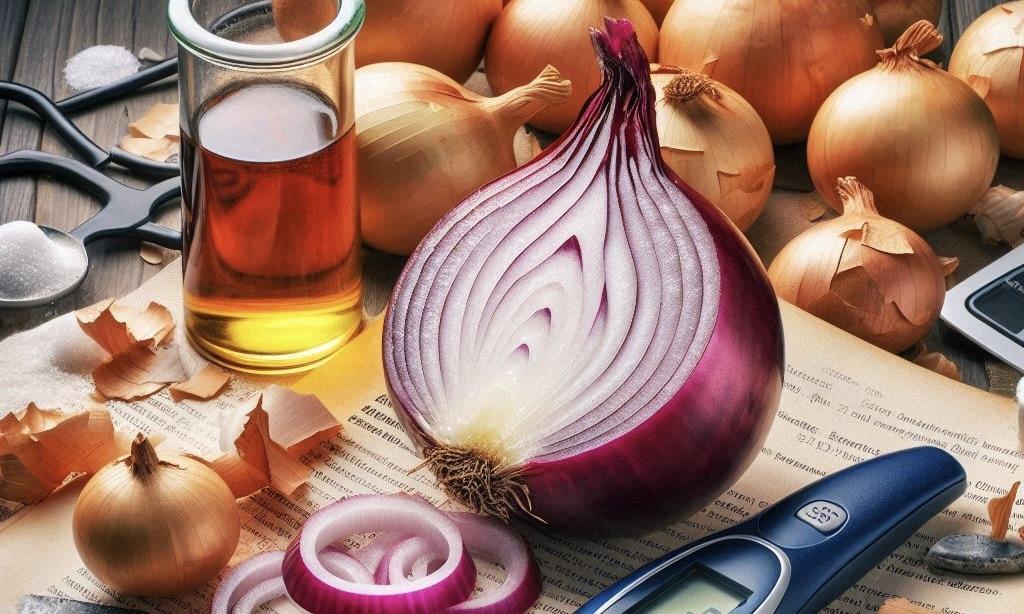
Type 2 diabetes, a condition marked by fluctuating blood sugar levels, poses serious health risks. However, a groundbreaking study suggests that a common kitchen staple could significantly help manage these levels. Researchers have found that onion extract can reduce high blood sugar levels by as much as half, raising hopes for those living with diabetes.
According to the study presented at The Endocrine Society's 97th annual meeting in San Diego, researchers discovered that extracts from onion bulbs (Allium cepa) dramatically lowered blood glucose levels in diabetic rats when combined with the widely used anti-diabetic drug metformin. Lead investigator Anthony Ojieh, MBBS (MD), MSc, from Delta State University in Nigeria, emphasizes the potential of this everyday vegetable as a nutritional supplement for diabetes management.
“Onion is cheap and readily available and has been used as a nutritional supplement,” Ojieh said. “It holds potential for use in treating patients with diabetes.” The study included multiple groups of rats, with varying doses of onion extract administered daily alongside metformin. The results were compelling: at doses of 400mg and 600mg per kilogram of body weight, the onion extract lowered fasting blood sugar levels in diabetic rats by 50% and 35%, respectively.
Despite the promising results, the study did reveal some controversial findings. The onion extract appeared to increase the average weight of non-diabetic rats, suggesting a possible rise in appetite and metabolic rate. “Onion is not high in calories,” Ojieh clarified, “but it seems to increase the metabolic rate, leading to an increase in feeding.” This aspect raises questions about the broader implications of using onion extract for diabetes management, especially concerning weight control.
While the study involved only rats, researchers hope to explore the potential effects of onion extract on humans in future investigations. The onion extract used was derived from common onions found in grocery stores, though any potential human application would require purification to ensure proper dosing of the active ingredients.
The findings align with existing guidance from health authorities, which suggest that a balanced diet and active lifestyle are crucial for managing blood sugar levels and overall health. The NHS advocates for healthy eating as a means to control weight and enhance well-being, reinforcing the idea that dietary choices play a critical role in diabetes management.
As the research progresses, the medical community eagerly anticipates further studies to uncover the mechanisms behind the blood glucose reduction associated with onion extract. The results of this study could lead to new, accessible treatment options for millions of people struggling with type 2 diabetes.
In a world increasingly reliant on pharmaceuticals, the discovery that a simple vegetable could aid in blood sugar control is a revelation that cannot be overlooked.







