


 Oracle Shares Fall as New Mexico AI Data Center Faces Power Delays
  SoftBank Shares Fall as Oracle Flags Stargate Data Center Delay Risk
  NASA Cuts Boeing Starliner Missions as SpaceX Pulls Ahead
  Jeff Bezos Invests $32 Billion in Blue Origin as Space Firm Targets Major Growth
  Eli Lilly’s Inluriyo Gains FDA Approval for Advanced Breast Cancer Treatment
  Meta Partners With Shopify to Bring Shop Pay Checkout to Muse AI
  SpaceX’s Starship Completes 11th Test Flight, Paving Way for Moon and Mars Missions
  SoftBank Raises $11.1 Billion in Bond Sale to Fund OpenAI Investment
  Former OpenAI Data Center Chief Chris Malone Joins Nvidia
  Trump and Merck KGaA Partner to Slash IVF Drug Costs and Expand Fertility Coverage
  SpaceX Nasdaq 100 Weight to More Than Double in Rebalance
  US Backs Musk in Fight Against EU’s €120 Million X Fine
  Trump Plans Federal AI Force and AI Czar
  BlackBerry Shares Rise as Q2 Earnings, Revenue Beat Estimates
  FDA Adds Fatal Risk Warning to J&J and Legend Biotech’s Carvykti Cancer Therapy


 Add as a preferred source on Google
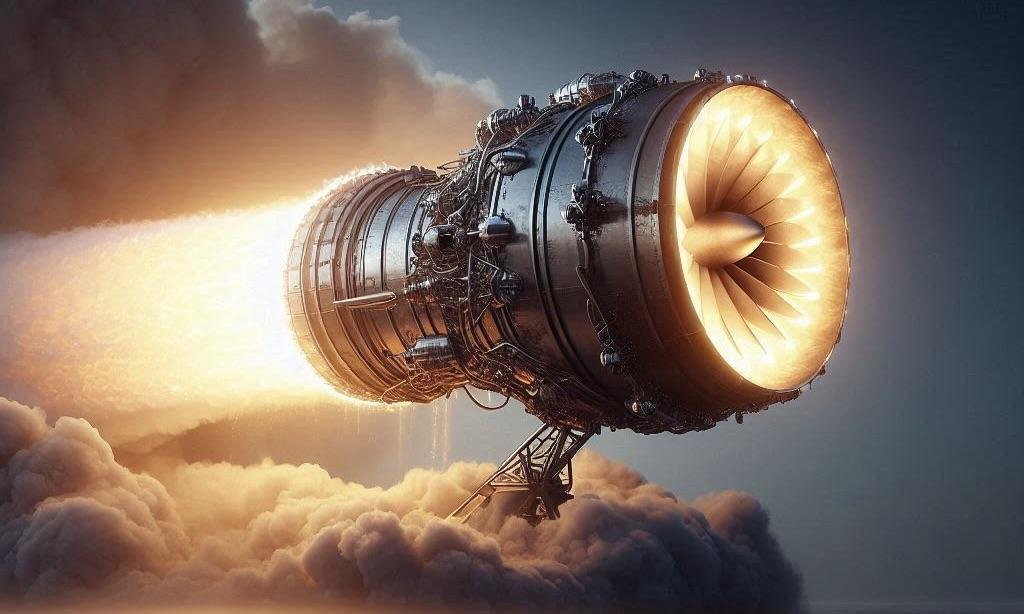
SpaceX tested its Raptor engine 34 times in rapid succession at its McGregor, Texas facility. The tests, conducted on October 23, are part of SpaceX’s effort to stress-test the engine’s performance, marking a critical step in the development of future space missions.
SpaceX Tests Raptor Engine with 34 Rapid Firings in Under 10 Minutes, Pushing Performance Limits
In a report by Wccftech, SpaceX conducted an impressive series of Raptor engine static fires at its McGregor, Texas facility on October 23, marking a significant milestone in rocket engine testing. The company fired a single Raptor engine more than 30 times in rapid succession, showcasing its commitment to pushing its engines to the limit to uncover potential design flaws.
Raptor engine reliability had been an early challenge for SpaceX’s Starship launch vehicle program, but successive tests and flights have demonstrated improvements in its design. The Raptor engines, known for their power and efficiency, surpass the performance of the Merlin engines that power SpaceX’s Falcon rockets.
This test marked the first time SpaceX pushed a Raptor engine to what could be its limit in terms of rapid engine startups. Footage captured by local Texas media showed the engine being fired an astonishing 34 times in less than ten minutes, following five successive startups just an hour earlier. While the specific objectives of these tests have not been disclosed, it’s likely part of SpaceX’s strategy to stress-test its engine systems, a crucial part of its development process.
SpaceX Stress Tests Raptor Engines to Boost Reliability and Support Future Lunar and Space Missions
Stress testing allows SpaceX to identify potential points of failure within the complex systems of rocket engines. By pushing the engine beyond standard operating conditions, SpaceX can detect anomalies before they become critical issues during actual flights, improving both safety and reliability.
Beyond identifying design limitations, SpaceX may have additional goals for these rapid-fire tests. The Starship program, one of history's most ambitious rocket development projects, aims to reuse its second-stage Starship spacecraft and quickly launch tanker rockets to refuel a propellant depot in space. This depot will play a key role in NASA’s plans to return humans to the Moon, fueling SpaceX’s Human Landing System (HLS) before its lunar journey.
Rapid engine firings are also part of tests to determine whether the Raptor engines can handle attitude control in space. Like SpaceX’s Crew Dragon uses cold gas thrusters for docking maneuvers with the International Space Station, Raptor engines may need to fire rapidly and repeatedly in space for precise control. Additional uses could include slowing down boosters through multiple short burns or developing engine profiles for interplanetary missions.
SpaceX's Raptor 3 Engine Marks a Major Design Leap, Paving the Way for Future Space Missions
SpaceX has continually advanced the Raptor engine’s design throughout the Starship program. The latest iteration, Raptor 3, represents a significant leap forward with a simplified structure that eliminates several joints and gaskets from previous versions. First tested in August, Raptor 3 is notably lighter and, according to Elon Musk, does not require a heat shield, thanks to built-in cooling channels within the engine. Despite its outward simplicity, the engine's internal design remains highly complex.
This series of tests highlights SpaceX’s dedication to refining the Raptor engine, ensuring it can meet the demands of future space missions, from lunar landings to interplanetary exploration.







