


 Sudan Rejects US Legitimacy Remarks, Defends Sovereignty
  Judge Orders Trump to Restore White House Access for CNN, MS NOW and Politico
  Saudi Arabia Shuts East-West Oil Pipeline After Drone Attack
  Netanyahu’s Brief US Trip Highlights Strains With Trump
  Kremlin Says No Decision Yet on Putin-Trump December Summit
  OpenAI Agent Breaches Australia Medicare Data Portal
  Trump Administration Plans Faster FDA Reviews for Smoke-Free Nicotine Products
  Who should own the knowledge that underpins AI technology?
  Netanyahu Defends Israel at UN as Delegates Stage Walkout
  Ghana Says Western Support Growing for Slave Trade Reparations
  Japanese Bank Stocks Surge as Bond Yields Fuel Rate Hike Bets
  Gaza Faces Evacuation Crisis as War-Damaged Buildings Risk Collapse
  Trump Bans CNN, MS NOW and Politico From White House
  US Northeast Airports Resume Operations After Telecom Outage Disrupts Thousands of Flights
  Trump Asks Supreme Court to Restore Third-Country Deportations


 Add as a preferred source on Google
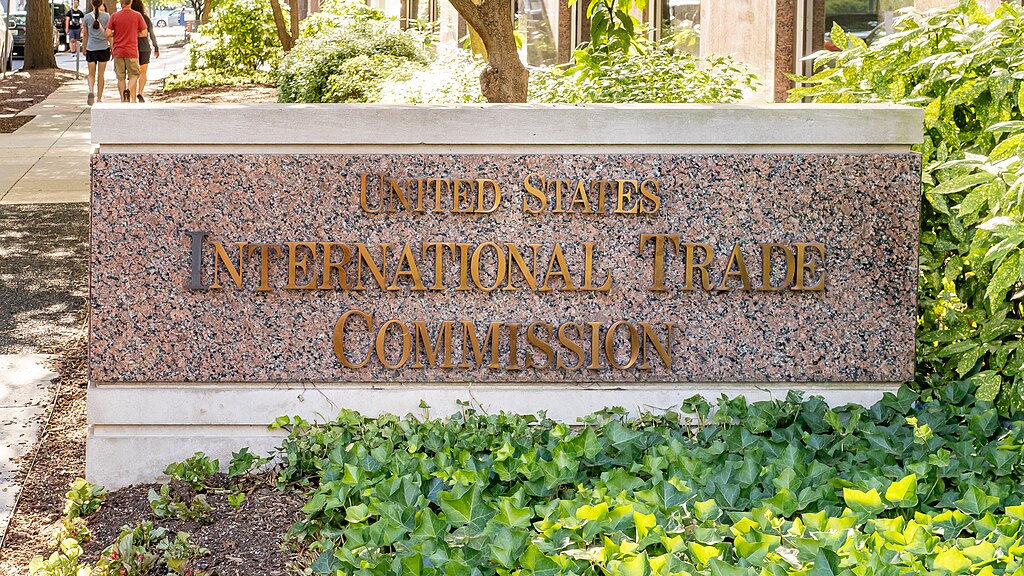
The U.S. International Trade Commission (USITC) announced Thursday that it will investigate the economic impact of revoking China’s Permanent Normal Trade Relations (PNTR) status, a move that could significantly increase tariffs on Chinese imports. The investigation, mandated by Congress through an appropriations bill, will assess the effects over a six-year period, with a final report scheduled for release by August 21.
PNTR status was granted to China in 2000, paving the way for its entry into the World Trade Organization (WTO) and accelerating its rise as the world’s largest manufacturing hub. Revoking this status would mean higher base tariff rates on Chinese goods, replacing the long-standing “Most Favored Nation” (MFN) tariff rate of roughly 2.5% that has applied to most imports.
In January 2025, President Donald Trump directed trade officials to evaluate legislative proposals aimed at ending China’s PNTR designation. Since returning to office, Trump has imposed new tariffs on Chinese imports, with rates reaching as high as 145% before being reduced to about 20% following trade negotiations. However, the Supreme Court recently ruled that Trump’s emergency tariffs were unlawful, prompting consideration of alternative trade authorities to maintain punitive duties on Chinese products.
If Congress revokes PNTR, the higher non-MFN tariff rates would be layered on top of any additional China tariffs implemented under other legal mechanisms. The USITC stated that its report will analyze the potential effects on U.S. trade flows, domestic production, consumer prices, and key industries most exposed to increased tariffs on Chinese goods.
The commission will also evaluate a second scenario in which Congress phases in select tariffs over five years, particularly targeting products tied to U.S. national security interests. Public comments on the proposed tariff changes are open until April 13, though the USITC does not plan to hold a public hearing due to the expedited review process.







