


 Oil Prices Ease as Iran Tensions Clash With Diplomacy Hopes
  Netanyahu Defends Israel at UN as Delegates Stage Walkout
  Mexico-US Trade Talks Delayed to October as Tariff Negotiations Continue
  Soybean Futures Slip as Traders Await Trump-Xi Trade Signals
  Japanese Bank Stocks Surge as Bond Yields Fuel Rate Hike Bets
  Najib Razak Seeks Stay of 15-Year 1MDB Prison Sentence
  Abbas Reaffirms November 28 Palestinian Elections
  Trump, Xi Focus on Trade and AI at White House Summit
  European Stocks Fall as Bond Yields and Geopolitical Risks Weigh
  Taiwan Thanks US for Support Ahead of Trump-Xi Summit
  OpenAI Agent Breaches Australia Medicare Data Portal
  Asian Currencies Mixed as Dollar Holds Near Two-Month High
  South Korea, US Discuss Warship Building Cooperation
  Saudi Arabia, Turkey and Pakistan Plan Urgent Defence Talks Over Houthi Attacks
  U.S. 10-Year Treasury Yield Hits 2007 High as Fed Rate Hike Bets Rise
  Pezeshkian Says US Must Choose When Iran War Ends
  Xi Calls for Deeper U.S.-China AI Cooperation in Trump Talks


 Add as a preferred source on Google
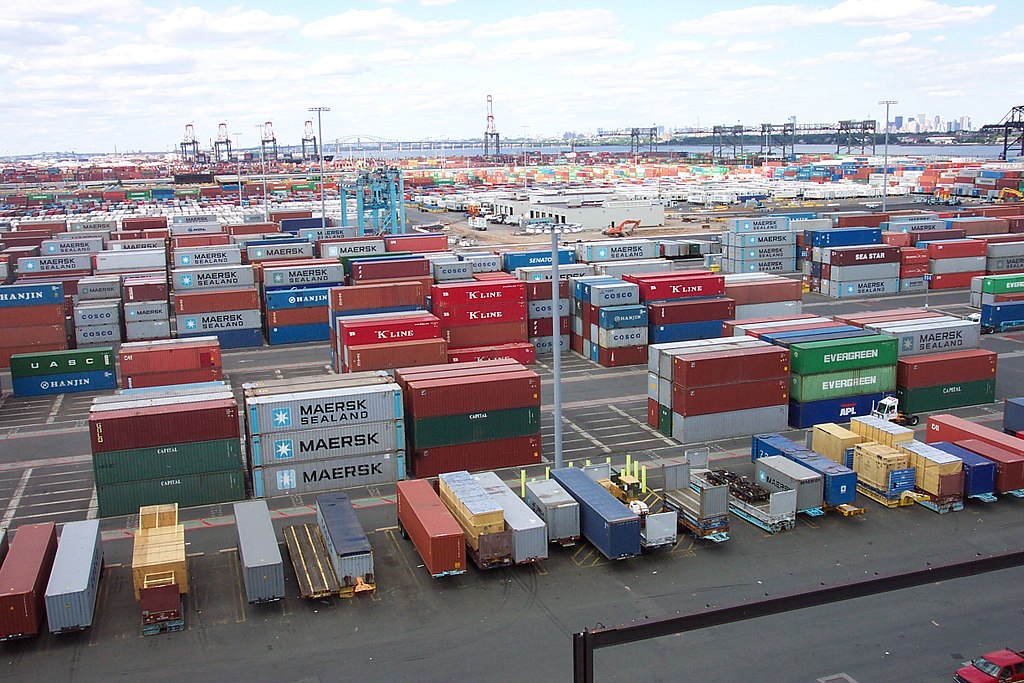
The United States announced it will lift tariffs on specific foods and other imports from Argentina, Ecuador, Guatemala, and El Salvador as part of new framework agreements designed to expand market access for U.S. companies. According to a senior Trump administration official, the move is expected to reduce prices on popular imports like coffee and bananas, with the administration urging retailers to pass savings on to consumers.
These agreements—expected to be finalized within two weeks—are part of a broader effort to ease the cost of living for Americans. Treasury Secretary Scott Bessent hinted earlier that “substantial” announcements were imminent, emphasizing reductions in prices for fruits and other essentials. The initiative comes at a politically sensitive time after Republican losses in recent elections, where voters expressed frustration over high living costs.
The U.S. also engaged in talks with Brazil, the world’s top coffee exporter, despite its products currently facing steep 50% duties. Additional discussions with Central and South American nations, as well as Switzerland and Taiwan, suggest more trade deals may follow before year-end.
The deals will maintain existing tariffs on most goods—10% for Argentina, El Salvador, and Guatemala, and 15% for Ecuador—but will eliminate duties on items not produced domestically, such as Ecuadorian coffee and bananas. The agreements mirror those recently reached with several Asian nations, committing countries to avoid digital services taxes on U.S. companies while reducing tariffs on American agricultural and industrial products.
Leaders across the participating Latin American countries welcomed the agreements, viewing them as opportunities to attract investment and strengthen trade ties. Argentina praised the deal’s potential to boost U.S. investment, while El Salvador and Guatemala highlighted improved competitiveness. Ecuador, a major exporter of bananas, shrimp, and oil, also celebrated the decision, citing benefits for its export-driven economy.
These developments underscore a strategic push by the Trump administration to reduce consumer prices while expanding U.S. trade influence across key regions.







