


 Asian Stocks Fall as Bond Yields Surge Ahead of Trump-Xi Summit
  Russian Envoy Dmitriev Heads to US for Ukraine Talks
  Trump Asks Supreme Court to Restore Third-Country Deportations
  US Dollar Hits Two-Month High as Fed Rate Hike Bets Rise
  US Officials Split Over Response to Israeli West Bank Settlements
  Australia Unemployment Hits Five-Year High Despite Strong Jobs Growth
  Gaza Faces Evacuation Crisis as War-Damaged Buildings Risk Collapse
  RBI Uses $10 Billion Currency Swaps to Drain Excess Rupee Liquidity
  NATO Boosts Intelligence Sharing Amid Russia Hybrid Threats
  US, China Extend Trade Truce to Jan. 10 Ahead of Trump-Xi Summit
  South Korea, US Discuss Warship Building Cooperation
  Oil Prices Surge as U.S.-Iran Diplomacy Hopes Fade
  US Senate Rejects Iran War Powers Resolution in 50-49 Vote
  Abbas Reaffirms November 28 Palestinian Elections
  US Stock Futures Rise as Meta Muse Fuels AI Rally
  Oil Prices Jump 3% as Houthi Attack Revives Supply Fears
  US 10-Year Treasury Yield at 6% Emerges as New Market Risk Threshold


 Add as a preferred source on Google
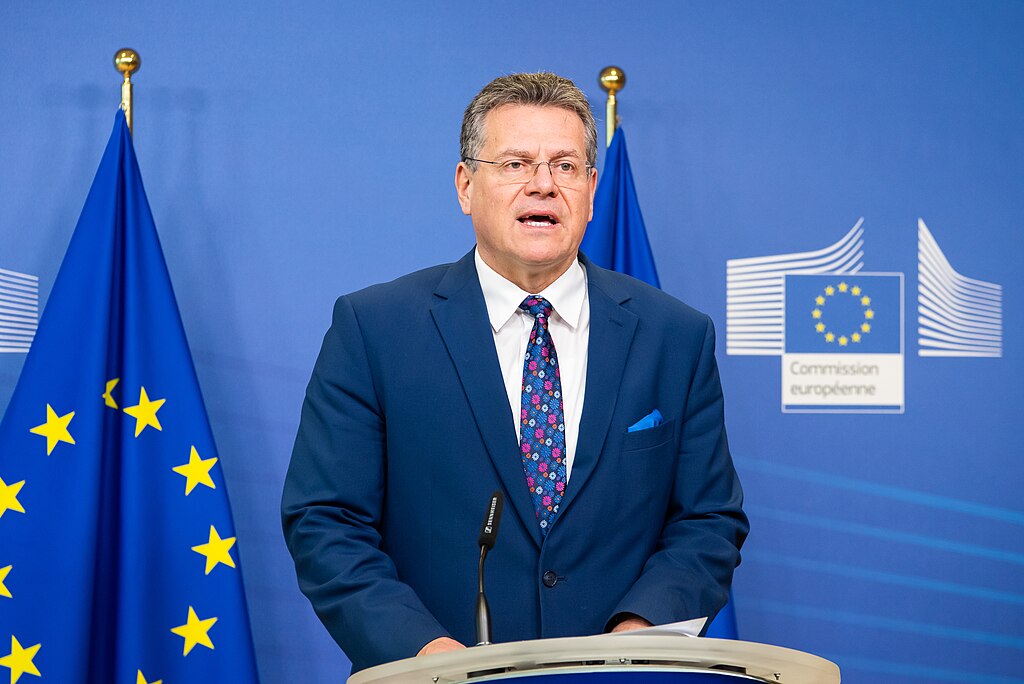
The United States and the European Union have taken a major step toward strengthening their supply chains for critical minerals, aiming to reduce reliance on China and boost advanced manufacturing capabilities. On Friday, U.S. Secretary of State Marco Rubio and EU Trade Commissioner Maros Sefcovic signed a memorandum of understanding (MOU) focused on securing and producing essential raw materials used in industries such as semiconductors, electric vehicles, and defense technologies.
The agreement highlights growing concerns among Western economies about supply chain vulnerabilities and the risks posed by overdependence on a limited number of suppliers. While China was not directly mentioned in Rubio’s remarks, the move reflects a broader strategy to counterbalance its dominance in mineral processing and global supply networks.
China has historically leveraged its control over critical minerals by adjusting exports, influencing prices, and limiting other nations’ ability to diversify sourcing. This has raised alarms among the U.S. and EU, prompting coordinated efforts to create more resilient and diversified supply chains. Rubio emphasized that excessive concentration of these resources presents a significant economic and security risk, making diversification essential.
In parallel, U.S. Trade Representative Jamieson Greer announced a joint action plan with the EU to align trade policies and address what both parties described as “non-market practices” that distort global supply chains. Proposed measures include border-adjusted price floors, standards-based trading systems, subsidies to close pricing gaps, and long-term offtake agreements for selected minerals.
Sefcovic noted that the success of the initiative will depend on execution, with pilot projects expected to launch before year-end. The partnership also opens the door for broader cooperation with like-minded countries, building a plurilateral framework to enhance supply chain resilience worldwide.
Additional areas of collaboration include mining standards, recycling practices, investment screening, and emergency response mechanisms to prevent disruptions. The agreement underscores a unified transatlantic effort to secure critical minerals and support future-focused industries.







