


 Fed Unveils Stablecoin Rules Under GENIUS Act
  Asian Stocks Fall as Bond Yields Surge Ahead of Trump-Xi Summit
  RBI Uses $10 Billion Currency Swaps to Drain Excess Rupee Liquidity
  Oil Prices Surge as U.S.-Iran Diplomacy Hopes Fade
  US 10-Year Treasury Yield at 6% Emerges as New Market Risk Threshold
  Asian Currencies Mixed as Dollar Holds Near Two-Month High
  US, China Extend Trade Truce to Jan. 10 Ahead of Trump-Xi Summit
  Oil Prices Jump 3% as Houthi Attack Revives Supply Fears
  U.S. 10-Year Treasury Yield Hits 2007 High as Fed Rate Hike Bets Rise
  US Stock Futures Fall as Treasury Yields Surge Ahead of Trump-Xi Summit
  European Stocks Slip as Iran Tensions Offset Strong Eurozone Data
  Oil Prices Ease as Iran Tensions Clash With Diplomacy Hopes
  Trump, Xi Focus on Trade and AI at White House Summit
  Wall Street Falls as Treasury Yields Surge, Oil Rebounds on Iran Tensions
  Wall Street Ends Flat as Oil, Treasury Yields and Fed Jitters Rattle Markets
  Soybean Futures Slip as Traders Await Trump-Xi Trade Signals


 Add as a preferred source on Google
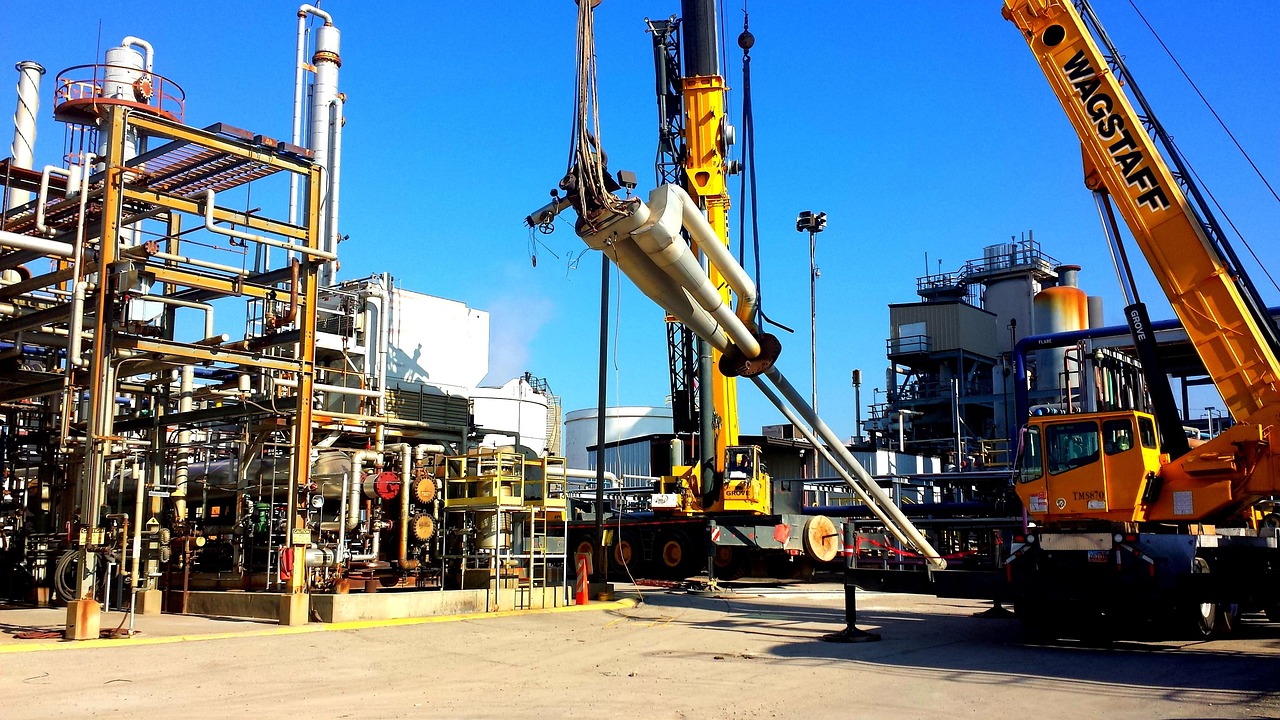
American drivers are seeing welcome relief at the gas pump as gasoline prices continue to decline following improved diplomatic relations between the United States and Iran. According to fuel price tracker GasBuddy, the national average price of gasoline fell by 14.1 cents per gallon over the past week, reaching $3.85 per gallon on Monday. This marks the sixth consecutive week of declining fuel prices and represents a 15% decrease from the peak levels recorded in May.
The drop in gasoline prices has been widespread across the country. Colorado experienced one of the largest weekly declines, with prices falling by 25 cents per gallon. Arizona saw a decrease of 22 cents, while Ohio recorded a 21-cent drop, highlighting a broader trend of easing fuel costs for consumers.
Lower gas prices could provide a political boost for President Donald Trump and Republican lawmakers as they prepare for November’s midterm elections. Rising fuel and consumer prices have been a key concern for voters, making recent declines an important economic development.
Market analysts caution that while the current trend is encouraging, risks remain. Alex Hodes, an analyst at StoneX, noted that falling fuel prices may help reduce inflationary pressures. However, he warned that expectations of normal energy shipments through the Strait of Hormuz rely on the assumption that tensions in the region will continue to ease.
Although some oil tankers resumed transit through the Strait of Hormuz on Monday, shipping activity remains below pre-conflict levels. GasBuddy’s head of petroleum analysis, Patrick De Haan, said gasoline prices are unlikely to surge in the immediate future as long as energy supplies continue flowing through the strategic waterway. However, renewed geopolitical tensions between the U.S. and Iran could quickly reverse recent gains.
Additional supply risks also remain in focus. Refinery disruptions in Texas, including outages at facilities operated by TotalEnergies and Marathon Petroleum, could tighten fuel supplies. Meanwhile, the approaching Atlantic hurricane season may create further uncertainty for oil and gasoline markets, potentially impacting prices in the months ahead.







