


 US Backs Musk in Fight Against EU’s €120 Million X Fine
  Judge Orders Trump to Restore White House Access for CNN, MS NOW and Politico
  North Korea Warns South Korea Over US-Led Defense Role
  Wall Street Falls as Treasury Yields Surge, Oil Rebounds on Iran Tensions
  Netanyahu’s Brief US Trip Highlights Strains With Trump
  What ‘Taiwan Independence’ Means as Xi Presses Trump on US Policy
  Australia Unemployment Hits Five-Year High Despite Strong Jobs Growth
  Russian Missile and Drone Attack on Kyiv Kills Two, Damages Maternity Hospital
  Trump Asks Supreme Court to Restore Third-Country Deportations
  Mexico-US Trade Talks Delayed to October as Tariff Negotiations Continue
  RBI Uses $10 Billion Currency Swaps to Drain Excess Rupee Liquidity
  China’s ‘Lipstick King’ Says AI Won’t Replace Livestream Hosts
  France Defends Netanyahu Airspace Clearance Despite ICC Warrant
  Sudan Rejects US Legitimacy Remarks, Defends Sovereignty
  Oil Prices Jump 3% as Houthi Attack Revives Supply Fears
  Japanese Bank Stocks Surge as Bond Yields Fuel Rate Hike Bets
  Pezeshkian Says US Must Choose When Iran War Ends


 Add as a preferred source on Google
U.S. officials are signaling privately that the long-anticipated semiconductor tariffs may not be imposed as soon as previously expected, potentially slowing one of President Donald Trump’s key economic initiatives. According to several individuals familiar with recent discussions across government and industry, the administration has become more cautious about the timing of the tariffs, aiming to avoid provoking China and risking renewed trade retaliation that could disrupt access to vital rare earth minerals.
While no final decision has been made, insiders say the White House is carefully evaluating the potential economic and geopolitical fallout. Despite Trump’s earlier pledge to impose roughly 100% tariffs on imported semiconductors—excluding companies manufacturing in the U.S. or committed to doing so—recent guidance from Washington suggests the rollout may take longer as debate continues around strategy and implementation. Officials caution that the administration could still enact triple-digit tariffs at any moment.
Publicly, the White House and Commerce Department deny any shift in position. A spokesperson insisted the administration remains committed to reshoring critical manufacturing and dismissed anonymously sourced reports as inaccurate. Still, neither agency has provided a clear timeline for when the long-discussed tariffs will formally be enacted.
The potential delay comes at a politically sensitive time for Trump, who is facing rising voter frustration over persistent inflation during the holiday season. Analysts warn that taxing imported chips—used in everything from smartphones to appliances—could raise consumer prices further. The administration has recently reduced tariffs on hundreds of food products, but Trump maintains his broader trade measures have not significantly contributed to inflation.
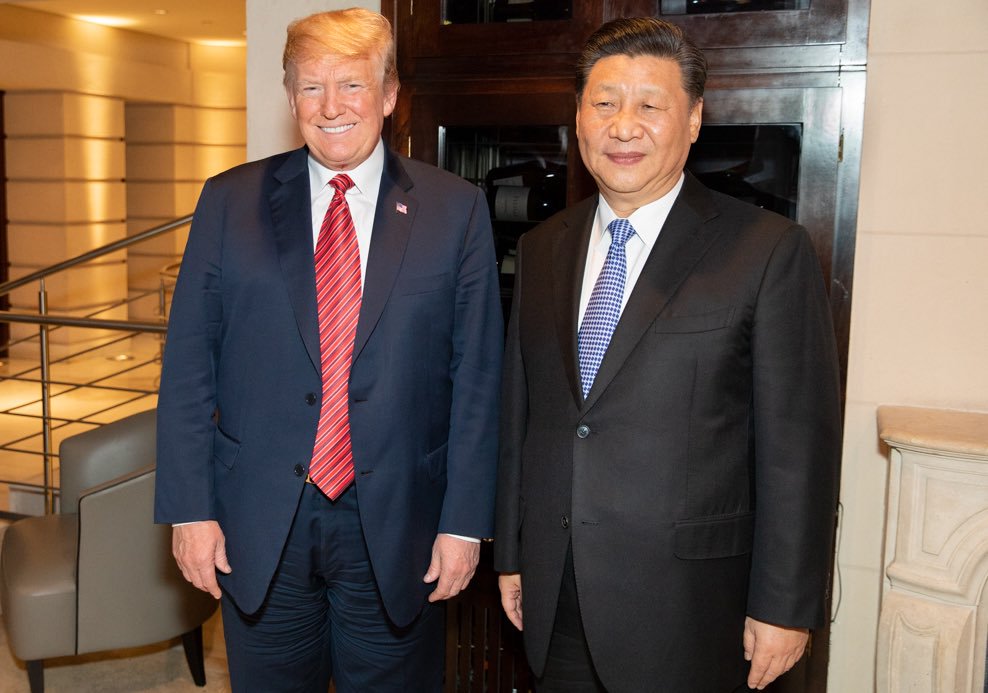
Maintaining stability with China also remains a priority. Despite recent talks between Trump and Chinese President Xi Jinping aimed at easing tensions, U.S. officials have signaled that national security actions likely to upset Beijing are still on the table. Earlier this year, the administration launched investigations into pharmaceutical and semiconductor imports, arguing that heavy reliance on foreign suppliers threatens national security.
The administration’s balancing act—managing inflation, sustaining a fragile trade truce, and pushing for domestic manufacturing—continues to shape the evolving semiconductor tariff strategy.







