


 Macron Challenges Trump’s Gaza Peace Claims at UN
  Macron, Trump Discuss Ukraine-Russia Energy Strike Moratorium
  Trump Administration Prepares Sanctions Against Entire ICC
  Paramount-Warner Bros $110 Billion Deal Draws Antitrust Backlash
  Trump Says ‘Freedom’ Is Coming to Cuba
  China Tightens Fentanyl Rules Ahead of Trump-Xi Summit
  US Plans Two New Military Bases in Greenland Under Arctic Deal
  Taiwan Vows to Advance US Arms Sales Ahead of Trump-Xi Meeting
  Trump Meets Venezuela’s Delcy Rodriguez at UN Assembly
  Zelenskiy Warns Russia Preparing Major Attack on Ukraine
  Russian Strikes Kill Eight Across Ukraine as Energy Sites Hit
  Trump Board of Peace Unveils $2.45 Billion Gaza Recovery Plan
  Lula and Flavio Bolsonaro Tied in Brazil Runoff Poll
  Lula Meets Mamdani in New York as Elections Approach
  UK, Mauritius Seek Diego Garcia Base Deal
  Vietnam, US Trade Deal Could Be Signed Soon, To Lam Says
  Scott Bessent Eyed as Trump’s New AI Czar


 Add as a preferred source on Google
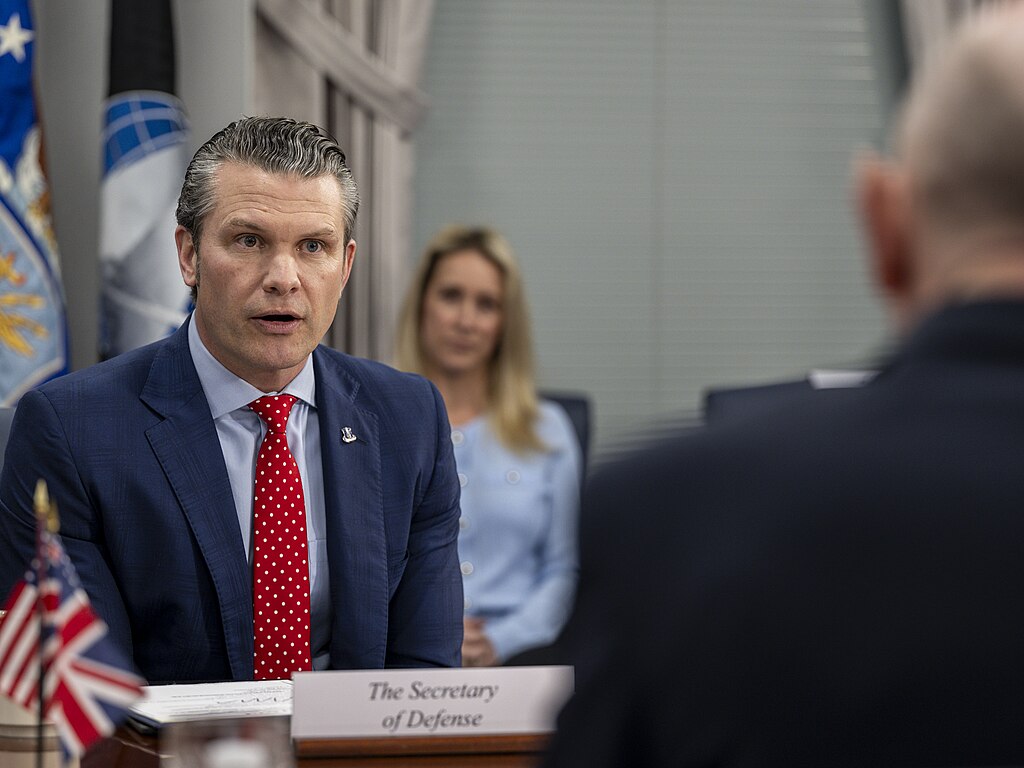
U.S. Defense Secretary Pete Hegseth has warned that American forces are prepared to carry out President Donald Trump’s orders and launch additional strikes against Iran if necessary, signaling a potential escalation in tensions between Washington and Tehran.
Speaking to reporters after receiving briefings from military commanders at the U.S. Central Command headquarters in Florida, Hegseth said Iran had been given opportunities to reach an agreement but failed to take meaningful steps toward a deal. He emphasized that any future military action would focus on targets that strengthen U.S. operational capabilities while weakening Iran’s strategic assets.
According to Hegseth, the United States is prepared to act on its own terms and target facilities that could reduce Iran’s ability to threaten American interests. His remarks came shortly after President Trump stated that the U.S. would conduct further military strikes if a peace agreement is not reached, raising concerns about a broader conflict in the Middle East.
Referring to Iran’s recent actions, Hegseth echoed Trump’s criticism, suggesting that Tehran had repeatedly tested Washington’s patience instead of pursuing a diplomatic resolution. He warned that continued provocations could lead to additional attacks on what he described as key Iranian facilities.
The defense secretary accused Iran of delaying negotiations and engaging in tactics that undermine efforts to achieve stability. He stressed that while the United States remains open to diplomatic solutions, it is fully prepared to use military force when required.
“If we need to negotiate with bombs, we’ll negotiate with bombs,” Hegseth said, underscoring the administration’s willingness to apply military pressure alongside diplomatic efforts.
The latest statements highlight the growing strain in U.S.-Iran relations and underscore the Trump administration’s hardline approach toward Tehran. Analysts say the situation could significantly impact regional security, global energy markets, and ongoing diplomatic efforts aimed at preventing a wider conflict.
As tensions continue to rise, international observers are closely monitoring developments, with many urging both sides to pursue dialogue and avoid actions that could further destabilize the region.







