


 NATO Boosts Intelligence Sharing Amid Russia Hybrid Threats
  Netanyahu Defends Israel at UN as Delegates Stage Walkout
  Saudi Arabia, Turkey and Pakistan Plan Urgent Defence Talks Over Houthi Attacks
  Trump Asks Supreme Court to Restore Third-Country Deportations
  Colombia Extradites FARC Dissident Leader ‘Spider’ to US
  Yemen Violence Displaces 130,000 as Civilian Toll Rises
  Trump, Xi Focus on Trade and AI at White House Summit
  Xi Calls for Deeper U.S.-China AI Cooperation in Trump Talks
  US Supreme Court Revives Trump Administration Voter Citizenship Database
  Evan Gershkovich Says FSB Set Trap for 2023 Russia Arrest
  What ‘Taiwan Independence’ Means as Xi Presses Trump on US Policy
  Saudi Arabia Seeks Military Support as Houthi Attacks Escalate
  EU Agrees €6.6 Billion Military Aid Funding for Ukraine
  Ukrainian Drone Attacks Hit Russian Regions, Injuring at Least 12
  France Defends Netanyahu Airspace Clearance Despite ICC Warrant
  Putin Says Ukraine Peace Proposals Remain on Table


 Add as a preferred source on Google
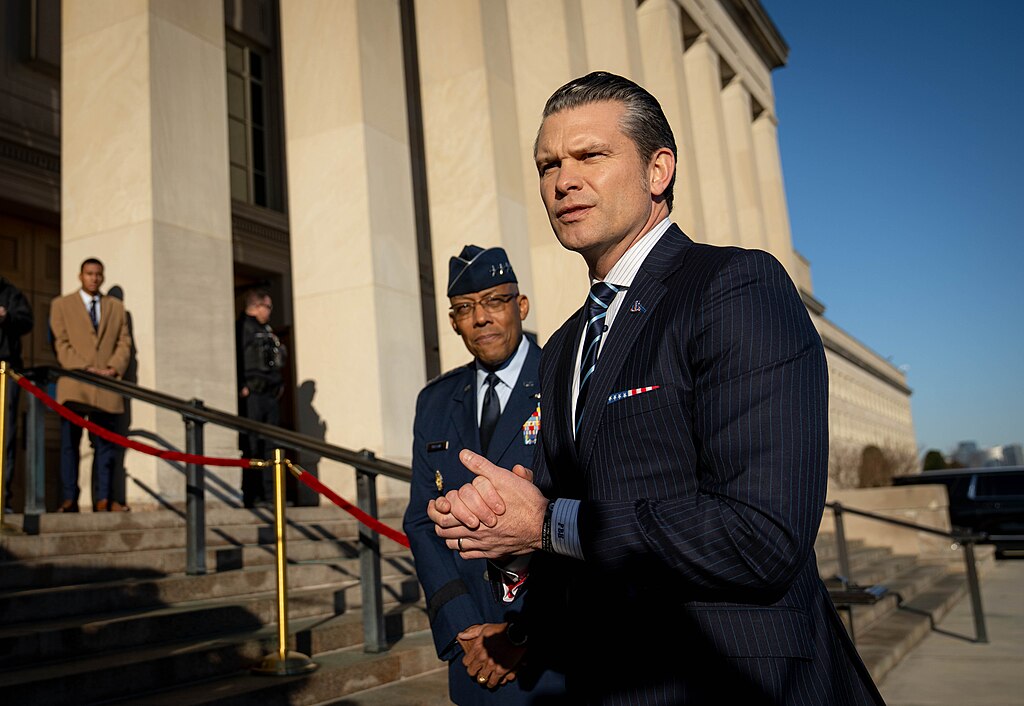
The United States has conducted 13 deadly strikes since September on vessels near Venezuela and in the eastern Pacific, killing more than 60 people, according to Defense Secretary Pete Hegseth. The U.S. claims the targeted boats were involved in drug trafficking, though no concrete evidence has been presented. The operations have ignited international backlash, with the United Nations and multiple governments condemning the actions as violations of international law.
UN Human Rights Chief Volker Türk labeled the strikes “unacceptable,” while Venezuela’s government denounced them as illegal acts of aggression and murder. President Nicolás Maduro accused former U.S. President Donald Trump of pursuing regime change under the guise of anti-narcotics operations—an allegation Trump has denied, despite reports of coordination with Venezuela’s opposition.
Since September, the U.S. has escalated its military presence in the Caribbean, deploying warships, a nuclear submarine, and the world’s largest aircraft carrier. In response, Venezuela has bolstered national defense, deploying tens of thousands of troops.
The list of strikes reveals a pattern of escalating violence. On September 2, 11 Venezuelans were killed in the first strike after the U.S. naval buildup. Later attacks throughout September and October killed dozens more, including alleged smugglers from Venezuela, Colombia, Ecuador, and Trinidad. Several nations, including Colombia and Ecuador, have disputed U.S. claims linking the victims to drug cartels. Colombian President Gustavo Petro refuted Hegseth’s assertion that one targeted vessel belonged to rebel forces, calling it “the property of a humble family.”
By November 4, at least 13 U.S. strikes had been carried out—many in international waters—raising questions about legality, transparency, and the human cost of Washington’s expanding Caribbean campaign. Critics argue the operations lack proof and accountability, intensifying diplomatic tensions across the Americas.







