


 Wall Street Falls as Treasury Yields Surge, Oil Rebounds on Iran Tensions
  Gold Holds Near $4,275 as Rising Treasury Yields Fuel Fed Rate Hike Bets
  U.S. 10-Year Treasury Yield Hits 2007 High as Fed Rate Hike Bets Rise
  U.S. Treasury Yields Surge as 30-Year Hits 22-Year High
  U.S. Dollar Hits Two-Month High as Oil, Treasury Yields Surge
  RBI Uses $10 Billion Currency Swaps to Drain Excess Rupee Liquidity
  Russian Envoy Dmitriev Heads to US for Ukraine Talks
  Oil Prices Ease as Iran Tensions Clash With Diplomacy Hopes
  South Korea, US Discuss Warship Building Cooperation
  Fed Unveils Stablecoin Rules Under GENIUS Act
  Oil Prices Jump 3% as Houthi Attack Revives Supply Fears
  US, China Extend Trade Truce to Jan. 10 Ahead of Trump-Xi Summit
  China’s ‘Lipstick King’ Says AI Won’t Replace Livestream Hosts
  European Stocks Fall as Bond Yields and Geopolitical Risks Weigh
  Asian Stocks Fall as Bond Yields Surge Ahead of Trump-Xi Summit
  Dollar Holds Near Two-Month High as Yen Approaches 160
  Asian Stocks Fall as Surging Bond Yields Rattle Markets


 Add as a preferred source on Google
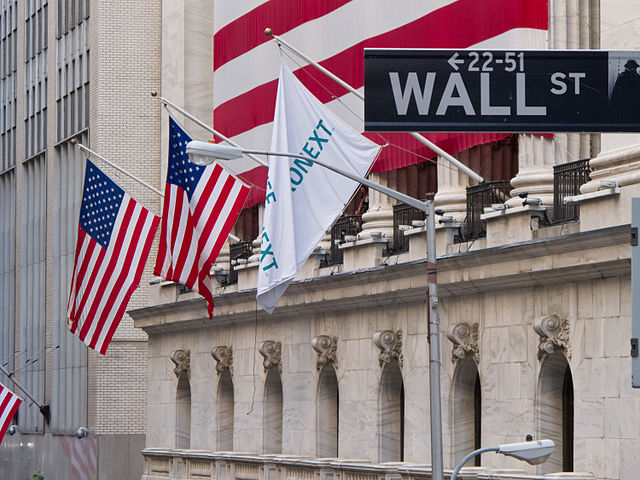
U.S. stock index futures edged lower on Wednesday evening after Wall Street extended a two-day losing streak, driven by declines in bank stocks and profit-taking across major technology names. Investor sentiment turned cautious as markets digested geopolitical risks, regulatory concerns, and upcoming earnings from key companies, including Taiwan Semiconductor Manufacturing Company (TSMC), a major bellwether for the global chip industry.
By late evening trading, S&P 500 futures slipped 0.1%, Nasdaq 100 futures declined nearly 0.2%, and Dow Jones futures fell around 0.15%. The pullback followed recent record highs in early January, as traders locked in gains amid rising uncertainty.
Technology stocks, which had fueled much of the early-2025 rally, saw renewed selling pressure ahead of TSMC’s fourth-quarter earnings release scheduled for Thursday. As the world’s largest contract chipmaker and a critical supplier to NVIDIA, TSMC’s results are closely watched for signals on global semiconductor demand. TSMC’s U.S.-listed shares fell more than 1%, while NVIDIA also lost ground amid reports of potential Chinese restrictions on domestic sales.
Additional pressure came from reports that China advised local companies to stop using certain U.S. and Israeli cybersecurity software, citing national security concerns. This weighed heavily on tech sentiment, with Broadcom and Oracle posting sharp declines. Oracle slid after facing a lawsuit from bondholders related to losses tied to its artificial intelligence expansion and increased debt issuance. As a result, the Nasdaq Composite dropped 1%, underperforming the S&P 500 and Dow Jones Industrial Average.
Bank stocks were another major drag on the market after President Donald Trump announced plans to impose a strict 10% cap on credit card interest rates. The proposal sparked concerns about profitability across the financial sector, overshadowing otherwise solid earnings from major lenders. Shares of Bank of America and Citigroup fell more than 3% despite beating earnings expectations, while Wells Fargo and JPMorgan also posted notable losses.
Geopolitical tensions further dampened risk appetite, as markets reacted to warnings from Iran over potential U.S. intervention amid ongoing protests. With more bank earnings expected and key tech results imminent, investors remain cautious as Wall Street navigates a volatile start to the year.







