


 Dollar Holds Near Two-Month High as Yen Approaches 160
  U.S. Treasury Yields Surge as 30-Year Hits 22-Year High
  Fed Unveils Stablecoin Rules Under GENIUS Act
  Wall Street Ends Flat as Oil, Treasury Yields and Fed Jitters Rattle Markets
  Mexico-US Trade Talks Delayed to October as Tariff Negotiations Continue
  U.S. 10-Year Treasury Yield Hits 2007 High as Fed Rate Hike Bets Rise
  RBI Uses $10 Billion Currency Swaps to Drain Excess Rupee Liquidity
  Russian Envoy Dmitriev Heads to US for Ukraine Talks
  Asian Currencies Mixed as Dollar Holds Near Two-Month High
  Gold Holds Near $4,275 as Rising Treasury Yields Fuel Fed Rate Hike Bets
  US Stock Futures Fall as Treasury Yields Surge Ahead of Trump-Xi Summit
  Oil Prices Jump 3% as Houthi Attack Revives Supply Fears
  European Stocks Fall as Bond Yields and Geopolitical Risks Weigh
  Oil Prices Surge as U.S.-Iran Diplomacy Hopes Fade
  Japanese Bank Stocks Surge as Bond Yields Fuel Rate Hike Bets
  South Korea, US Discuss Warship Building Cooperation


 Add as a preferred source on Google
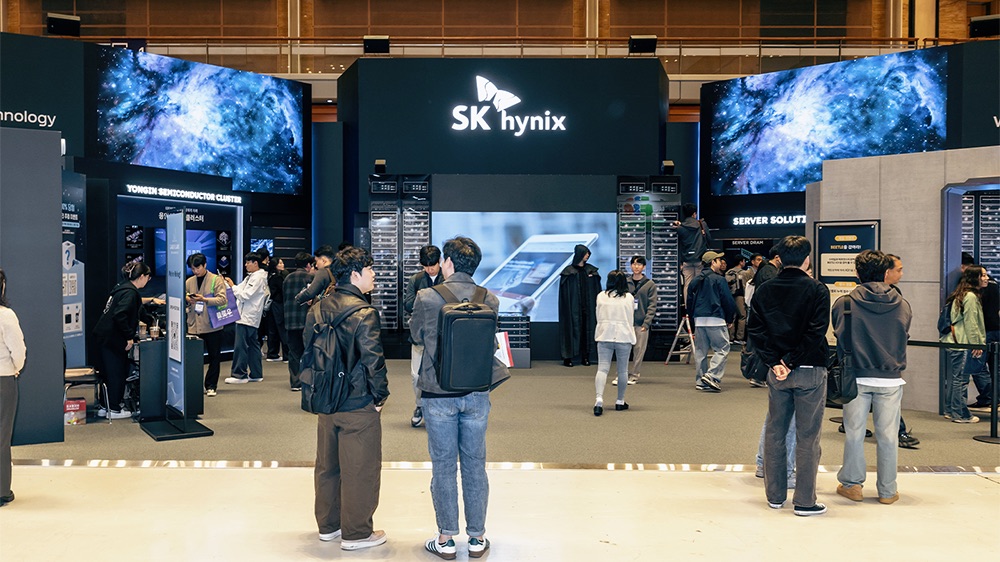
South Korean equities took a sharp hit Friday as mounting concerns over reduced artificial intelligence memory demand dragged the KOSPI index to its lowest point in more than two weeks. The benchmark fell nearly 3% to 5,220.10 points — a level not seen since March 9 — and was on track to shed over 8% for the week, marking one of its worst weekly performances in recent memory.
At the center of the sell-off were two of South Korea's largest chipmakers. Samsung Electronics and SK Hynix each dropped more than 4%, extending steep losses from the previous session and heading toward weekly declines exceeding 10%. Both stocks ranked among the heaviest drags on the broader index.
The catalyst behind the market turbulence was Google's unveiling of TurboQuant, a newly developed data compression algorithm designed to significantly reduce the working memory requirements of AI systems — without sacrificing performance. If widely adopted, the technology could meaningfully dampen demand for the high-bandwidth memory chips that have driven explosive revenue growth for Samsung and SK Hynix over the past year.
The South Korean losses tracked a broader overnight decline in U.S. memory stocks, with Micron Technology, Western Digital, and Seagate each tumbling between 6.9% and 8.4%. AI chip giant Nvidia also slid more than 4% after Arm announced its own line of AI server chips, introducing a potential new competitor in the high-performance computing space.
Samsung and SK Hynix have been significant beneficiaries of the AI-driven memory chip boom, with prices climbing sharply over the past two quarters on the back of tight supply and surging demand from data centers. Google is set to formally present TurboQuant at the ICLR 2026 conference in April, an event the chip industry will be watching closely for further details on the algorithm's real-world viability.







