


 Wall Street Ends Flat as Oil, Treasury Yields and Fed Jitters Rattle Markets
  Canadian Dollar Faces Pressure as Fed-BoC Policy Gap Widens
  Japanese Yen Rebounds as Trump Flags Currency Weakness
  US Comfortable With Canada Trade Standoff as Import Bans Loom
  Dollar Falls as Oil Eases, Yen Jumps on Intervention Signals
  Asian Stocks Fall as Bond Yields Surge Ahead of Trump-Xi Summit
  Japanese Bank Stocks Surge as Bond Yields Fuel Rate Hike Bets
  Australia Unemployment Hits Five-Year High Despite Strong Jobs Growth
  Fed Unveils Stablecoin Rules Under GENIUS Act
  Oil Prices Jump 3% as Houthi Attack Revives Supply Fears
  Oil Prices Fall on U.S.-Iran Hormuz Deal Hopes
  Asian Currencies Mixed as Dollar Holds Near Two-Month High
  Japan Private-Sector Growth Slows as Domestic Demand Weakens
  Soybean Futures Slip as Traders Await Trump-Xi Trade Signals
  European Stocks Fall as Bond Yields and Geopolitical Risks Weigh
  Asian Stocks Fall as Surging Bond Yields Rattle Markets
  Gold Prices Fall as Treasury Yields Rise on Fed Rate Hike Bets


 Add as a preferred source on Google
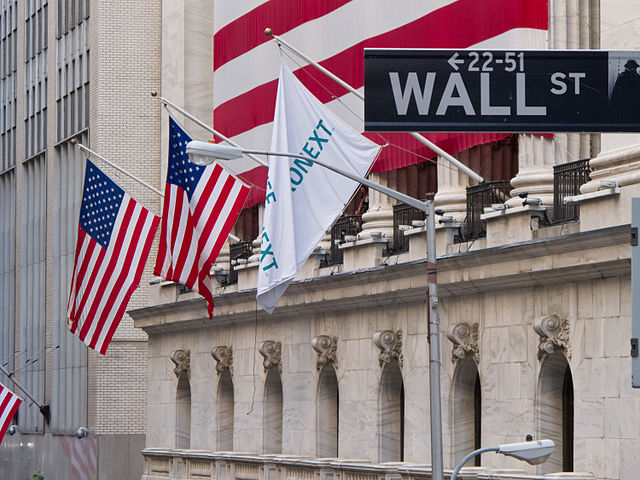
U.S. stock index futures edged lower on Thursday evening, cooling after a strong rebound on Wall Street driven by softer-than-expected November inflation data. The pullback reflected lingering caution among investors, as major indexes were still on track for weekly losses following a prolonged selloff in technology stocks and rising uncertainty around the U.S. economic outlook.
By late evening trade, S&P 500 futures dipped nearly 0.1% to 6,825.50, Nasdaq 100 futures slipped 0.1% to 25,239.75, and Dow Jones futures fell about 0.2% to 48,239.00. Despite Thursday’s gains in cash markets, futures suggested investors were reassessing momentum after a volatile week.
Earlier in the session, Wall Street rallied after November’s consumer price index came in below expectations, easing some inflation concerns and briefly boosting hopes that the Federal Reserve could cut interest rates further in 2025. However, several analysts cautioned against overreacting to the data. Goldman Sachs noted that November inflation figures were distorted by lingering effects of the October government shutdown and said December’s CPI report would be far more influential in shaping Fed policy decisions.
Still, the softer CPI print sparked renewed buying in technology shares, which had been under pressure due to concerns over stretched artificial intelligence valuations. Semiconductor stocks led the rebound, with Micron Technology surging roughly 10% after reporting stronger-than-expected earnings, helping lift broader market sentiment.
On Thursday, the S&P 500 rose 0.8% to 6,774.77, the Nasdaq Composite jumped 1.4% to 23,006.36, and the Dow Jones Industrial Average gained 0.1% to 47,951.85. Even so, all three benchmarks remained down between 0.7% and 1% for the week.
In after-hours trading, Oracle shares rallied up to 6% on reports linking the company to a consortium seeking to acquire TikTok’s U.S. operations, while FedEx climbed about 2% after posting better-than-expected quarterly earnings. Meanwhile, Nike slid sharply after reporting margin pressure and weaker sales in China, underscoring ongoing challenges for global consumer brands amid a difficult macroeconomic environment.







