


 Sudan Rejects US Legitimacy Remarks, Defends Sovereignty
  US Backs Musk in Fight Against EU’s €120 Million X Fine
  South Korea, US Discuss Warship Building Cooperation
  Saudi Arabia, Turkey and Pakistan Plan Urgent Defence Talks Over Houthi Attacks
  Yemen Violence Displaces 130,000 as Civilian Toll Rises
  Netanyahu’s Brief US Trip Highlights Strains With Trump
  Asian Stocks Fall as Surging Bond Yields Rattle Markets
  U.S. 10-Year Treasury Yield Hits 2007 High as Fed Rate Hike Bets Rise
  Xi Calls for Deeper U.S.-China AI Cooperation in Trump Talks
  Australia Unemployment Hits Five-Year High Despite Strong Jobs Growth
  Abbas Reaffirms November 28 Palestinian Elections
  US 10-Year Treasury Yield at 6% Emerges as New Market Risk Threshold
  Gold Holds Near $4,275 as Rising Treasury Yields Fuel Fed Rate Hike Bets
  What ‘Taiwan Independence’ Means as Xi Presses Trump on US Policy
  Fed Unveils Stablecoin Rules Under GENIUS Act
  Najib Razak Seeks Stay of 15-Year 1MDB Prison Sentence
  Oil Prices Surge as U.S.-Iran Diplomacy Hopes Fade


 Add as a preferred source on Google
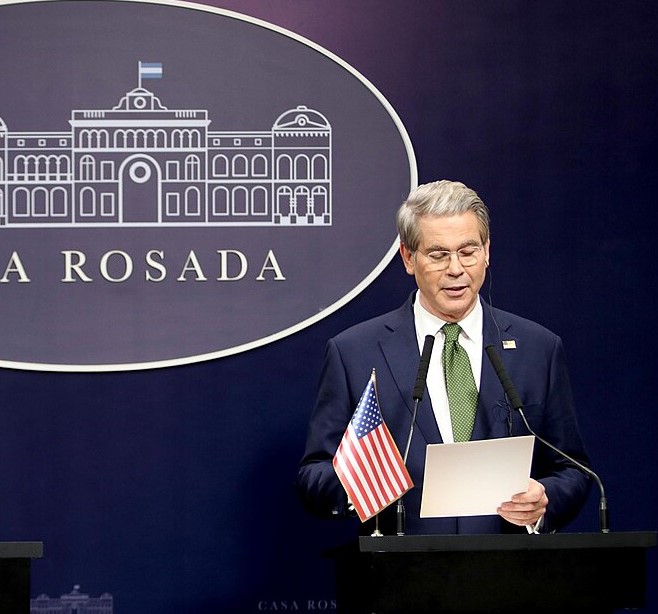
High-level trade talks between South Korea and the United States were abruptly canceled due to scheduling conflicts involving U.S. Treasury Secretary Scott Bessent, South Korea’s Ministry of Finance announced Thursday. The meeting, originally slated for Friday in Washington, will be rescheduled as Seoul seeks to avert steep U.S. tariffs set to take effect on August 1.
The postponed talks were intended to address a proposed 25% tariff on South Korean goods outlined by U.S. President Donald Trump earlier in July. The measure threatens to intensify trade tensions unless a new agreement is reached. South Korea’s Finance Minister Koo Yun-cheol was expected to lead the discussions, focusing on reducing the tariff burden and securing favorable trade terms.
Despite the setback, South Korean trade officials, including Trade Minister Yeo Han-koo and Industry Minister Kim Jung-Kwan, continue scheduled meetings with U.S. counterparts in Washington. Optimism for a breakthrough remains after Japan reached a trade deal with the U.S. earlier this week, resulting in a reduced 15% tariff—significantly lower than the initially threatened 25%.
Seoul is under mounting pressure to finalize negotiations before the August deadline, as higher tariffs could disrupt key export sectors and strain the Korean economy. Market watchers are closely monitoring developments, anticipating that successful talks could stabilize trade relations and ease broader concerns over U.S. tariff policies in Asia.







