


 Mexico-US Trade Talks Delayed to October as Tariff Negotiations Continue
  Sudan Rejects US Legitimacy Remarks, Defends Sovereignty
  South Korea, US Discuss Warship Building Cooperation
  Netanyahu’s Brief US Trip Highlights Strains With Trump
  NATO Boosts Intelligence Sharing Amid Russia Hybrid Threats
  US Invites Putin to Miami G20, Opening Door to Trump Summit
  Trump, Xi Focus on Trade and AI at White House Summit
  US Backs Musk in Fight Against EU’s €120 Million X Fine
  North Korea Warns South Korea Over US-Led Defense Role
  Gaza Faces Evacuation Crisis as War-Damaged Buildings Risk Collapse
  Taiwan Thanks US for Support Ahead of Trump-Xi Summit
  Netanyahu Defends Israel at UN as Delegates Stage Walkout
  Kremlin Says No Decision Yet on Putin-Trump December Summit
  Ghana Says Western Support Growing for Slave Trade Reparations
  Trump Asks Supreme Court to Restore Third-Country Deportations
  Russian Envoy Dmitriev Heads to US for Ukraine Talks
  US Senate Rejects Iran War Powers Resolution in 50-49 Vote


 Add as a preferred source on Google
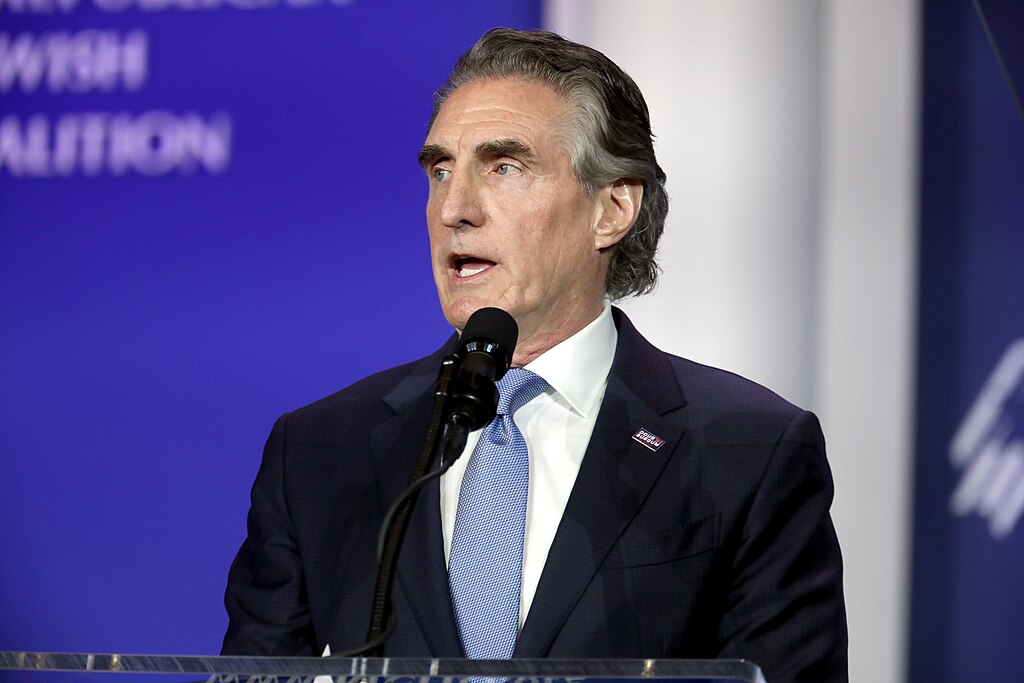
U.S. Interior Secretary Doug Burgum said Venezuela’s planned mining reform could open significant opportunities for international companies, with new operating licenses expected soon despite ongoing U.S. sanctions. Speaking at the end of a two-day visit to Caracas, Burgum expressed optimism about the country’s potential to attract foreign investment in its vast mineral resources.
Burgum, who also leads the U.S. National Energy Dominance Council, praised efforts by Venezuela’s interim government under Delcy Rodriguez to modernize the country’s mining sector and encourage international participation. The visit follows a major political shift after a U.S. raid in January that resulted in the capture of former President Nicolas Maduro. Burgum is the second U.S. cabinet official to travel to Venezuela since the event, after Energy Secretary Chris Wright visited in February.
Venezuela holds extensive reserves of valuable minerals including gold, iron ore, bauxite, and coltan. However, production remains far below capacity because many facilities require major repairs, expansion projects, and new investment. State entities such as the Venezuelan Guayana Corporation (CVG) and state mining firm Minerven remain financially constrained and continue to face U.S. sanctions.
Foreign investment in Venezuela’s mining industry has been limited over the past decade following widespread nationalizations under former President Hugo Chavez. Analysts believe the country could quickly increase exports, particularly gold, if reforms are implemented and capital flows into the sector. Still, experts note that rebuilding the mining industry will require massive investment and renewed exploration efforts, potentially exceeding the funding needed to revive Venezuela’s oil sector.
Burgum said he traveled with more than two dozen mining and minerals companies and held meetings with international oil firms, Venezuelan banks, and major domestic businesses. Addressing concerns about corruption and illegal mining groups operating in remote areas, he said the government has pledged to ensure security for companies conducting due diligence or reopening previously operated mines.
A new mining law expected to be introduced soon could allow foreign companies to develop resources such as gold, diamonds, and rare earth elements. Venezuela’s current mining legislation dates back to 1999. The proposed reform is likely to pass given the ruling socialist party’s control of the national assembly.
Officials say the mining overhaul will follow the model of Venezuela’s recent oil reform passed in January, which lowered taxes, expanded the authority of the oil ministry, and gave greater autonomy to private producers. Burgum also indicated that new general licenses for mining operations could be issued soon, similar to existing exemptions granted to certain oil companies under U.S. sanctions.
The reform could be particularly significant for rare earth minerals, a group of 17 metals critical for advanced technologies and energy systems. Although Venezuela has not yet conducted full exploration to confirm rare earth reserves, global demand for critical minerals continues to grow, especially as supply chains are currently dominated by China.
Burgum also expressed confidence that Venezuela will surpass its oil production targets this year. U.S. oil giant Chevron, which continues operating in the country under a special license, reported record production at one of its projects earlier this week. Meanwhile, energy major Shell has signed several agreements with Venezuela covering offshore gas projects and new onshore oil and gas opportunities, signaling renewed interest from global energy companies.







