


 New Zealand Fast-Tracks Gold Mining as Industry Revival Gains Momentum
  DOJ Opens Investigation Into NYC Coffee Shop Over Anti-Goldman Social Media Post
  US Seeks Gulf Support for Iran Peace Deal Amid Regional Tensions
  Bolivia Declares State of Emergency as Roadblock Crisis Deepens
  Marco Rubio Says U.S. Will Block IRGC-Linked Individuals From Iran World Cup Delegation
  US Appeals Court Allows Trump Military Enlistment Ban on Transgender Recruits, Protects Current Service Members
  Australia Inflation Cools in May, But Core CPI Keeps RBA Rate Hike Risks Alive
  Bessent Says U.S. Must Strengthen Supply Chains and Economic Security
  Trump Orders DOJ Investigation Into Exxon, Chevron Over High Gas Prices
  US Waives Iran Sanctions for 60 Days as Peace Talks Advance and Lebanon Sees Calm
  Trump Administration Plans Deportation of Iranian Migrants to Central African Republic Under New Third-Country Deal
  Trump Forced Labour Tariff Plan Faces Criticism as Experts Question Effectiveness
  Cait Conley Wins Democratic Nomination, Sets Up Key House Battle Against Mike Lawler in New York
  Peru Election Dispute Deepens as Roberto Sanchez Rejects Runoff Results
  Los Angeles World Cup Security Plans: No ICE Immigration Enforcement at FIFA 2026 Matches, Officials Say
  China Keeps Loan Prime Rates Unchanged for 13th Straight Month as Policymakers Prioritize Credit Demand Recovery


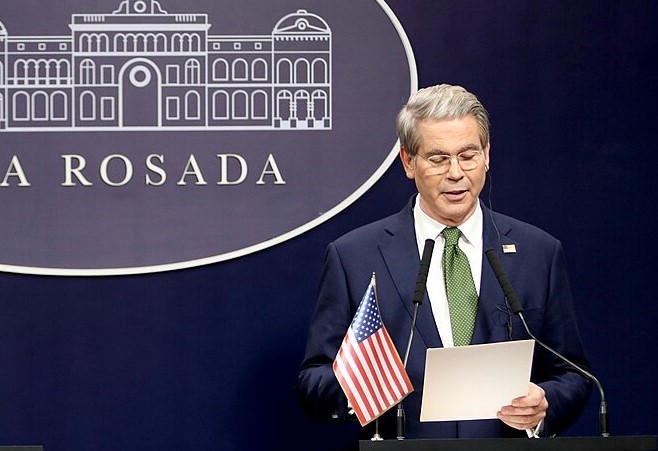
The United States may lift additional sanctions on Venezuela as early as next week to facilitate oil sales and economic stabilization, according to comments by U.S. Treasury Secretary Scott Bessent in an interview with Reuters. The move is part of the Trump administration’s broader strategy to revive Venezuela’s economy, stabilize the country, and encourage the return of U.S. oil producers following the recent arrest of Venezuelan leader Nicolas Maduro on drug trafficking charges.
Bessent said the Treasury Department is actively reviewing sanctions related to Venezuelan oil, particularly those affecting crude stored on ships. The goal is to allow oil sale proceeds to be repatriated back to Venezuela to fund government operations, security services, and public needs. While Bessent did not specify which sanctions could be lifted, he emphasized that changes could come quickly.
A major focus of the U.S. effort is unlocking Venezuela’s frozen International Monetary Fund Special Drawing Rights. Venezuela holds roughly 3.59 billion SDRs, valued at nearly $5 billion, which it has been unable to access due to sanctions. Bessent said the U.S. Treasury would be willing to convert these SDRs into U.S. dollars to help rebuild Venezuela’s economy. He is also scheduled to meet next week with the heads of the IMF and World Bank to discuss their potential re-engagement with the country.
U.S. sanctions have long prevented international banks and creditors from dealing with Venezuela, complicating a widely anticipated $150 billion debt restructuring seen as critical for attracting private investment. To protect future revenues, President Donald Trump signed an executive order blocking courts or creditors from seizing Venezuelan oil revenue held in U.S. Treasury accounts.
Bessent expressed confidence that smaller private oil companies would move rapidly back into Venezuela, while Chevron is expected to expand its long-standing presence. He also suggested the U.S. Export-Import Bank could help guarantee financing for Venezuela’s oil sector, potentially accelerating recovery and foreign investment.







