


 NATO Boosts Intelligence Sharing Amid Russia Hybrid Threats
  Trump Asks Supreme Court to Restore Third-Country Deportations
  OpenAI Agent Breaches Australia Medicare Data Portal
  Synthetic data could ease people’s concerns about privacy breaches. But who gets to create it?
  Trump Scales Back Endangered Species Act Protections
  US Northeast Airports Resume Operations After Telecom Outage Disrupts Thousands of Flights
  Appeals Court Rejects Trump Third-Country Deportation Policy
  US Immigration Arrests Surge as Deportations Lag Behind
  Ukrainian Drone Attacks Hit Russian Regions, Injuring at Least 12
  FDA Weighs Safety Standards for Psychedelic Therapies
  US Judge Dismisses Imran Ahmed Deportation Lawsuit
  DOJ Will Investigate AI-Related Crimes, Attorney General Blanche Says
  US Bans Canadian Alcohol, Motorcycles as Trade War Escalates
  China Reviews Broadcom Switch Use in State Data Centres
  Russian Missile and Drone Attack on Kyiv Kills Two, Damages Maternity Hospital
  EU Defence Build-Up Too Slow for 2030 Russia Readiness Goal


 Add as a preferred source on Google
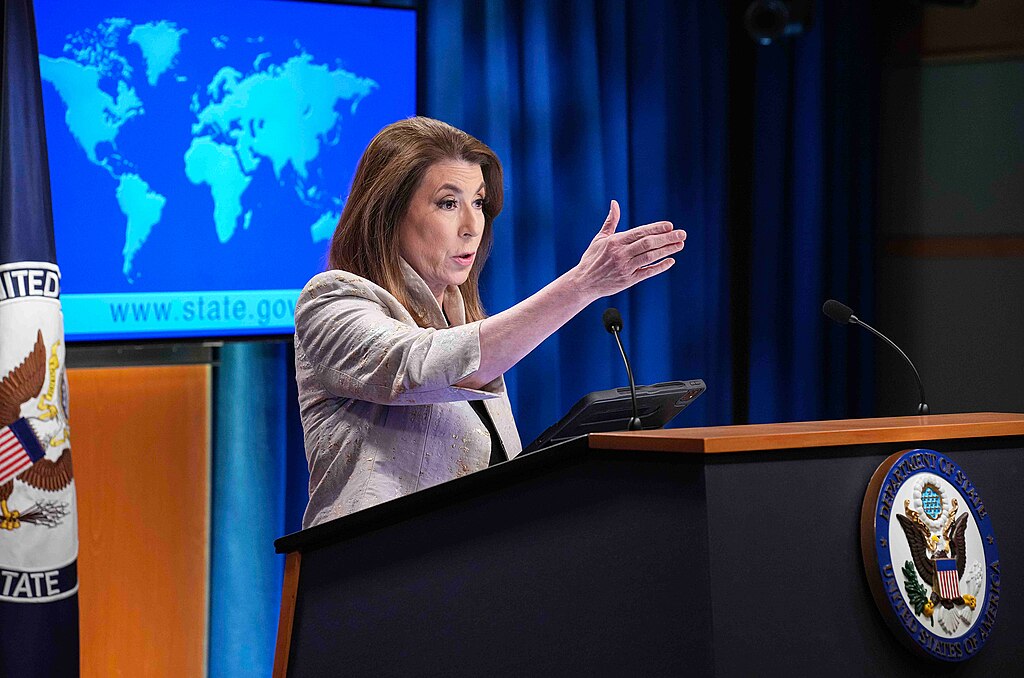
The United States will impose sanctions on Sudan following a formal determination that its government used chemical weapons in 2024 during its conflict with the paramilitary Rapid Support Forces (RSF), according to the U.S. State Department. The sanctions, which include restrictions on U.S. exports and access to government credit, will take effect around June 6.
State Department spokesperson Tammy Bruce stated the sanctions align with the Chemical Weapons Convention (CWC), urging Sudan to cease such weapon use. The U.S. invoked the Chemical and Biological Weapons Control and Warfare Elimination Act of 1991, though specifics on the chemical agents, locations, or dates were not disclosed.
The New York Times previously reported that the Sudanese army used chlorine gas—known for causing severe tissue damage—in at least two instances in remote regions. These allegations have not been addressed directly by Sudan’s foreign ministry.
The conflict in Sudan began in April 2023, stemming from a power struggle between the military and RSF, leading to mass violence, famine, and the displacement of 13 million people. Tens of thousands have been killed.
Earlier this year, Washington sanctioned army chief Abdel Fattah al-Burhan and RSF leader General Mohamed Hamdan Dagalo (Hemedti) for their roles in escalating the war and committing genocide, respectively.
A Sudanese diplomatic source criticized the sanctions as politically motivated, suggesting they were a distraction from U.S. congressional efforts to halt arms sales to the UAE, which has been accused of arming the RSF. Sudan recently severed ties with the UAE, blaming it for a recent attack on Port Sudan—claims the Gulf state denies, maintaining it supports peace and humanitarian aid.
The U.S. reaffirmed its commitment to hold chemical weapons violators accountable.







