


 Trump Administration Bars U.S. Travelers From Congo Flights Amid Ebola Outbreak
  US-Backed Pediatric HIV Treatment Drops After Foreign Aid Changes, Study Finds
  NATO Boosts Intelligence Sharing Amid Russia Hybrid Threats
  Saudi Arabia, Turkey and Pakistan Plan Urgent Defence Talks Over Houthi Attacks
  Novartis Shares Plunge After Muscle Drug Fails Phase III Trial
  US Senate Rejects Iran War Powers Resolution in 50-49 Vote
  SK Biopharmaceuticals Secures Global Rights to Biohaven Epilepsy Drug Opakalim
  GSK Unveils $2.52 Billion Cost-Cutting Plan to Accelerate Drug Pipeline
  Novo Nordisk Strikes €1.17 Billion Nanexa Drug Delivery Deal
  EU Defence Build-Up Too Slow for 2030 Russia Readiness Goal
  Trump Asks Supreme Court to Restore Third-Country Deportations
  FDA Investigates New Cyclospora Outbreak as U.S. Cases Continue to Rise
  Alcohol is one of the most dangerous drugs, yet its presence is ubiquitous in social settings and celebrations
  Trump, Xi Visit US National Archives After White House Summit
  Netanyahu’s Brief US Trip Highlights Strains With Trump
  OpenAI Agent Breaches Australia Medicare Data Portal


 Add as a preferred source on Google
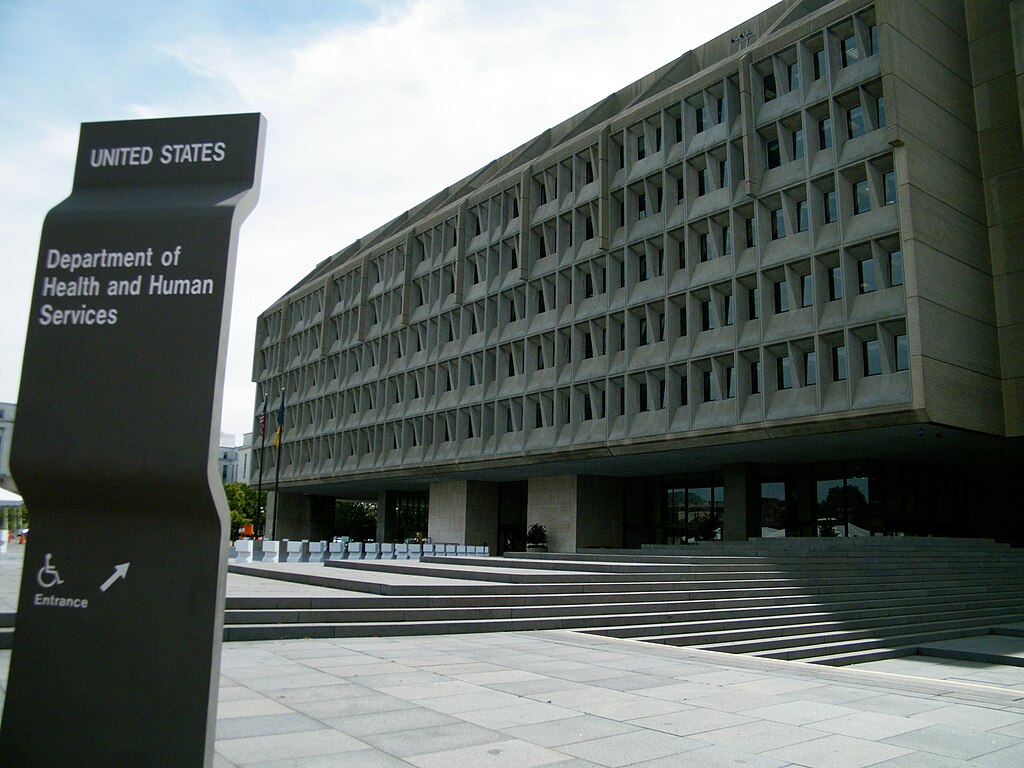
The U.S. Department of Health and Human Services (HHS) is re-evaluating its stance on fluoride in drinking water by reconvening the Community Preventive Services Task Force, an independent panel of health experts. This move follows Health Secretary Robert F. Kennedy Jr.’s recent statement in Salt Lake City, indicating plans to halt the Centers for Disease Control and Prevention’s recommendation for community water fluoridation.
Fluoride, commonly added to public water supplies to prevent tooth decay, has been a controversial topic for decades. While the American Dental Association continues to support fluoridation as an effective dental health measure, concerns about potential health risks have gained traction.
The Environmental Protection Agency (EPA) will also review new scientific data on fluoride’s health effects. EPA Administrator Lee Zeldin confirmed that this effort is in collaboration with HHS, with the goal of re-evaluating the agency’s current enforceable fluoride limit of 4.0 milligrams per liter (mg/L). Currently, the U.S. Public Health Service recommends maintaining levels below 0.7 mg/L. Studies show that exposure above 1.5 mg/L can increase risks of bone fractures, thyroid dysfunction, and neurological damage.
In a landmark move, Utah became the first state to ban fluoride in public water systems after Governor Spencer Cox signed new legislation last month. The decision faced strong opposition from health experts and organizations, including the American Dental Association.
As of 2022, about 63% of Americans receive fluoridated water through their municipal systems. A 2024 federal court ruling ordered the EPA to tighten its standards, citing unacceptable health risks to children under current fluoride levels. While Kennedy claims links between fluoride and conditions like cancer, his statements remain unsubstantiated by definitive scientific evidence.







