


 Kremlin Says No Decision Yet on Putin-Trump December Summit
  Venezuela Promises Elections as Delcy Rodriguez Pledges Democratic Transition
  Macron Challenges Trump’s Gaza Peace Claims at UN
  European Stocks Slip as Iran Tensions Offset Strong Eurozone Data
  US Stock Futures Rise as Meta Muse Fuels AI Rally
  Lula and Flavio Bolsonaro Tied in Brazil Runoff Poll
  Japan Private-Sector Growth Slows as Domestic Demand Weakens
  Judge Orders Trump to Restore White House Access for CNN, MS NOW and Politico
  Ghana Says Western Support Growing for Slave Trade Reparations
  Sudan Rejects US Legitimacy Remarks, Defends Sovereignty
  Trump to Press Xi on Release of US Nuclear Expert Held in China
  Oil Prices Ease as Iran Tensions Clash With Diplomacy Hopes
  Russian Envoy Dmitriev Heads to US for Ukraine Talks
  Oil Prices Extend Losses as U.S.-Iran Talks Ease Supply Fears
  Taiwan Vows to Advance US Arms Sales Ahead of Trump-Xi Meeting
  Russian Missile and Drone Attack on Kyiv Kills Two, Damages Maternity Hospital
  Dollar Hits Two-Month High as Fed Rate Hike Bets Rise


 Add as a preferred source on Google
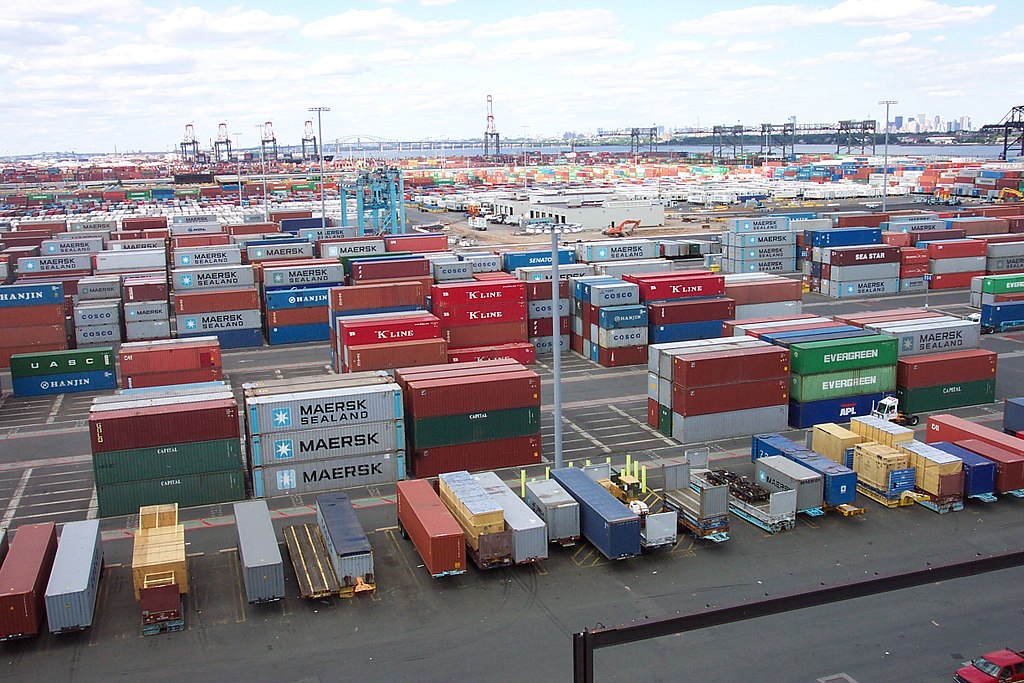
The Office of the United States Trade Representative (USTR) announced on Tuesday a proposal to impose additional tariffs on imports from 60 economies after determining that their efforts to prevent trade in goods produced with forced labor were insufficient. According to the USTR, these shortcomings are considered unreasonable practices that negatively affect U.S. commerce and undermine fair trade standards.
The proposed duties are part of the U.S. government's broader strategy to strengthen enforcement against forced labor in global supply chains and encourage trading partners to adopt stronger labor protections. Officials said the review found that several economies had failed to take adequate measures to identify, prevent, and eliminate the production and export of goods linked to forced labor.
The USTR emphasized that products made through forced labor create unfair competition for businesses that comply with labor laws and ethical sourcing requirements. By introducing additional import tariffs, the United States aims to reduce the flow of such goods into the American market while promoting responsible trade practices worldwide.
The proposal could affect a wide range of imported products and industries, depending on the economies involved and the extent of their exposure to forced labor risks. Companies that rely on international supply chains may face increased costs if the tariffs are approved and implemented.
Trade experts note that the move reflects growing global scrutiny of labor conditions and supply chain transparency. Governments and multinational corporations have increasingly faced pressure from consumers, investors, and human rights organizations to ensure that products entering international markets are not linked to forced labor or labor exploitation.
If finalized, the additional duties would represent another significant step in U.S. trade policy aimed at protecting workers' rights, promoting ethical sourcing, and maintaining fair competition in global commerce. The proposal is expected to undergo further review before any final decision is made regarding the implementation of the new tariffs.







