


 North Korea Rejects Nuclear Test Warning, Calls Nuclear Status Irreversible
  Trump Asks Supreme Court to Restore Third-Country Deportations
  Appeals Court Rejects Trump Third-Country Deportation Policy
  Pezeshkian Says US Must Choose When Iran War Ends
  North Korea Warns South Korea Over US-Led Defense Role
  US Judge Dismisses Imran Ahmed Deportation Lawsuit
  FDA Names Permanent Drug and Biologics Center Chiefs
  Who should own the knowledge that underpins AI technology?
  Saudi Arabia, Turkey and Pakistan Plan Urgent Defence Talks Over Houthi Attacks
  Najib Razak Seeks Stay of 15-Year 1MDB Prison Sentence
  Pope Leo Backs Press Freedom After White House Media Ban
  EU Agrees €6.6 Billion Military Aid Funding for Ukraine
  Judge Orders Trump to Restore White House Access for CNN, MS NOW and Politico
  Trump Bans CNN, MS NOW and Politico From White House
  Netanyahu’s Brief US Trip Highlights Strains With Trump
  Canada Unveils Bill to Fast-Track Major Resource Projects


 Add as a preferred source on Google
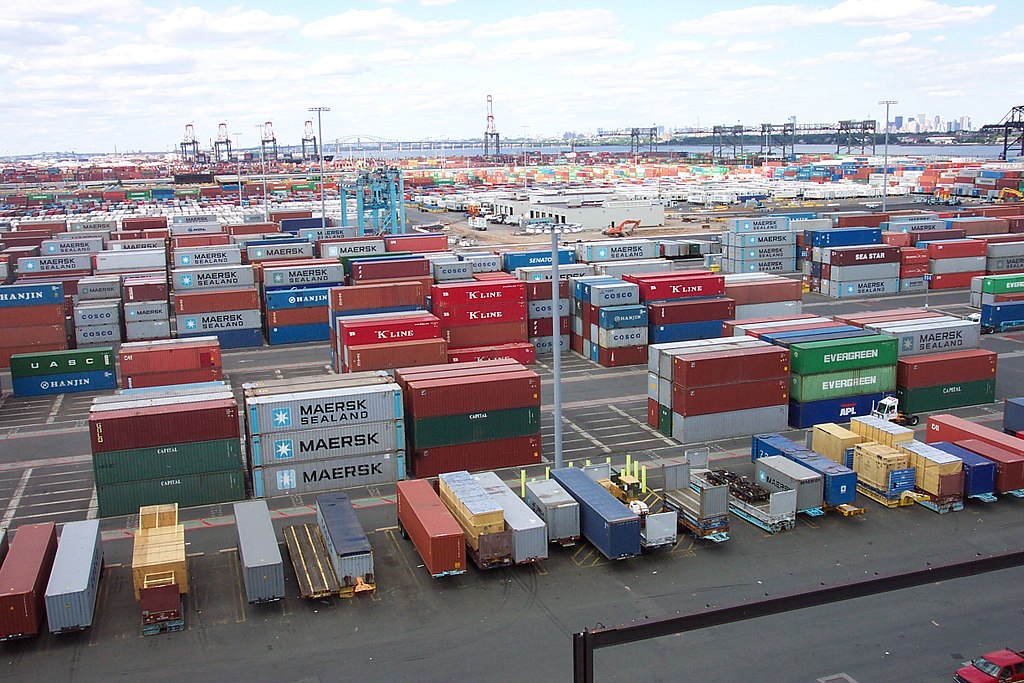
The United States is considering imposing tariffs of up to 100% on Nicaraguan goods following a finding that the country’s labor and human rights policies are “unreasonable” and detrimental to U.S. commerce. The Office of the U.S. Trade Representative (USTR) announced the results of a Section 301 investigation launched in December 2024 during the final days of President Joe Biden’s administration. The decision on whether to implement the tariffs now rests with President Donald Trump.
According to the USTR, Nicaragua’s government, led by President Daniel Ortega and Vice President Rosario Murillo, has engaged in “widespread abuses of labor rights and fundamental freedoms.” These include the use of child and forced labor, human trafficking, suppression of labor unions, arbitrary detentions, and stripping union members of their citizenship. The agency stated that these violations have dismantled the rule of law and created unfair conditions for trade.
The proposed measures include tariffs of up to 100% on Nicaraguan imports and suspension of trade benefits under the Central America-Dominican Republic Free Trade Agreement (CAFTA-DR). Since joining the agreement in 2006, Nicaragua has benefited from zero tariffs on consumer goods, manufactured products, and more than half of its agricultural exports to the U.S. Losing these benefits would force Nicaraguan exports to revert to “Most Favored Nation” tariff rates, significantly raising costs for U.S. importers.
In 2024, the U.S. imported $4.6 billion in goods from Nicaragua, resulting in a $1.9 billion trade deficit. The USTR is currently seeking public and industry feedback on the proposed actions, with comments accepted until November 19.
If fully implemented, the new tariffs could reshape U.S.-Nicaragua trade relations and further isolate the Ortega-Murillo regime amid growing global criticism of its authoritarian practices.







