


 US, China Extend Trade Truce to Jan. 10 Ahead of Trump-Xi Summit
  Sudan Rejects US Legitimacy Remarks, Defends Sovereignty
  Yemen Violence Displaces 130,000 as Civilian Toll Rises
  Trump, Xi Focus on Trade and AI at White House Summit
  Gaza Faces Evacuation Crisis as War-Damaged Buildings Risk Collapse
  North Korea Warns South Korea Over US-Led Defense Role
  Abbas Reaffirms November 28 Palestinian Elections
  North Korea Rejects Nuclear Test Warning, Calls Nuclear Status Irreversible
  Kremlin Says No Decision Yet on Putin-Trump December Summit
  France Defends Netanyahu Airspace Clearance Despite ICC Warrant
  Netanyahu Defends Israel at UN as Delegates Stage Walkout
  Judge Orders Trump to Restore White House Access for CNN, MS NOW and Politico
  Netanyahu Takes Aim at Mamdani as Israel Election Nears
  Pezeshkian Says US Must Choose When Iran War Ends
  Taiwan Thanks US for Support Ahead of Trump-Xi Summit
  EU Defence Build-Up Too Slow for 2030 Russia Readiness Goal
  Netanyahu’s Brief US Trip Highlights Strains With Trump


 Add as a preferred source on Google
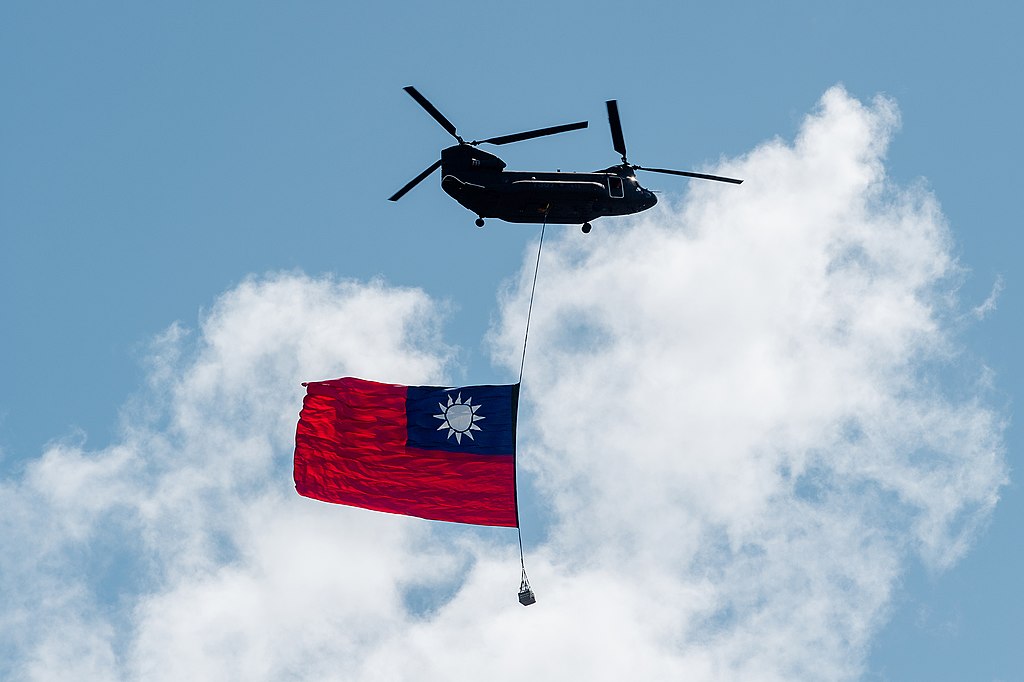
The Trump administration has assured Congress that ongoing U.S. and Israeli airstrikes against Iran, which began on February 28, have not disrupted weapons deliveries to Taiwan or altered American policy toward the self-governing island. Stanley Brown, principal deputy assistant Secretary of State for Political-Military Affairs, confirmed during a House Foreign Affairs Committee hearing that no shipments to Taiwan have been delayed as a result of the military campaign.
Some U.S. officials had raised concerns that the intense air campaign against Iran could strain the American defense industry, potentially slowing arms transfers to key partners like Taiwan, which continues to face escalating military pressure from Beijing. A multi-billion-dollar backlog in arms deliveries to Taiwan already existed before the conflict began, though Brown indicated the administration is actively exploring ways to accelerate those shipments.
Defense Security Cooperation Agency Director Michael Miller reinforced Washington's commitment to Taiwan, noting that a 2023 directive prioritizing Taiwan over competing buyers for certain weapons systems — including Harpoon anti-ship missiles — remains in effect. He described security assistance to Taiwan as the agency's foremost priority.
The hearing coincided with President Trump's announcement that he was postponing a planned trip to Beijing to meet with Chinese President Xi Jinping, a visit where Taiwan policy was expected to feature prominently. Reuters also reported that a landmark arms package for Taiwan — potentially worth around $14 billion and including advanced interceptor missiles — was awaiting Trump's approval, which would make it the largest arms deal ever with the island. Whether the trip's postponement affects that deal's timeline remains unclear.
China, which considers Taiwan part of its territory and conducted military exercises near the island as recently as December, has never ruled out using force to assert control. Taiwan firmly rejects those claims, insisting its people alone determine its future.







