


 Kremlin Says No Decision Yet on Putin-Trump December Summit
  US Officials Split Over Response to Israeli West Bank Settlements
  Oil Prices Jump 3% as Houthi Attack Revives Supply Fears
  Wall Street Ends Flat as Oil, Treasury Yields and Fed Jitters Rattle Markets
  North Korea Warns South Korea Over US-Led Defense Role
  Trump Asks Supreme Court to Restore Third-Country Deportations
  South Korea, US Discuss Warship Building Cooperation
  Russian Missile and Drone Attack on Kyiv Kills Two, Damages Maternity Hospital
  Netanyahu Takes Aim at Mamdani as Israel Election Nears
  RBI Uses $10 Billion Currency Swaps to Drain Excess Rupee Liquidity
  Trump, Xi Focus on Trade and AI at White House Summit
  US Invites Putin to Miami G20, Opening Door to Trump Summit
  US 10-Year Treasury Yield at 6% Emerges as New Market Risk Threshold
  Oil Prices Ease as Iran Tensions Clash With Diplomacy Hopes
  European Stocks Fall as Bond Yields and Geopolitical Risks Weigh
  Gold Drops Over 1% as Dollar, Treasury Yields Surge on Fed Rate Hike Bets
  Asian Currencies Mixed as Dollar Holds Near Two-Month High


 Add as a preferred source on Google
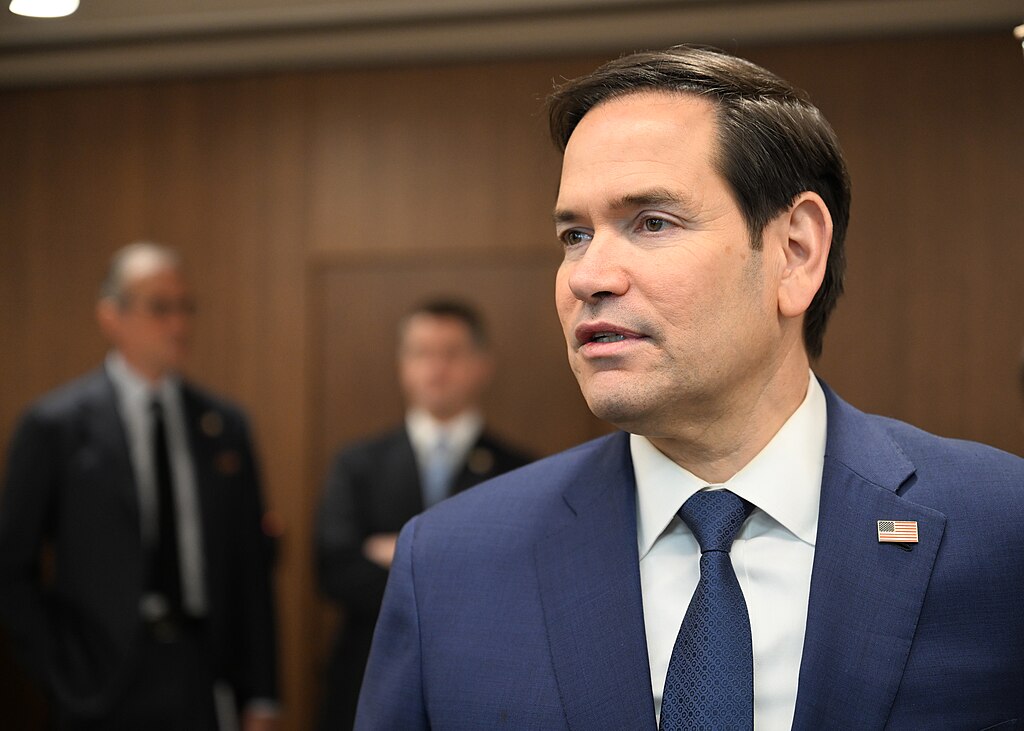
U.S. Secretary of State Marco Rubio emphasized during a phone call with South Korean Foreign Minister Cho Hyun on Monday that international cooperation to secure the Strait of Hormuz is critical for stabilizing global oil prices and the broader world economy. The statement signals growing American pressure on Asian allies to contribute militarily to protecting one of the world's most vital energy corridors.
Foreign Minister Cho stopped short of confirming whether Washington formally requested South Korea to deploy a naval vessel to the strait, even as South Korean parliament members pressed him on the matter and raised concerns that such a deployment could conflict with domestic law. Cho assured lawmakers that any decision made would strictly follow the country's constitution and legal framework.
President Donald Trump has publicly criticized several Western allies for rejecting his call to send warships to escort oil tankers through the Strait of Hormuz, a waterway responsible for transporting roughly 20% of the world's oil and liquefied natural gas. Since the United States and Israel launched a military campaign against Iran beginning February 28, the strait has been largely inaccessible to international tanker traffic, driving energy prices higher and fueling inflation fears globally.
South Korea faces significant economic stakes in this dispute. The country imports nearly 70% of its oil and about 20% of its LNG from the Middle East, making uninterrupted access to the strait essential. Despite this dependence, South Korea's Defense Ministry stated it had not officially received any deployment request.
South Korea already maintains a naval presence in the region through its Cheonghae anti-piracy unit, active since 2009, which operates a destroyer, an attack helicopter, and approximately 260 crew members near the Somali coast. Both nations agreed to continue close consultations on freedom of navigation and regional security moving forward.







