


 Asian Stocks Fall as Bond Yields Surge Ahead of Trump-Xi Summit
  South Korea, US Discuss Warship Building Cooperation
  North Korea Rejects Nuclear Test Warning, Calls Nuclear Status Irreversible
  Gold Prices Fall as Treasury Yields Rise on Fed Rate Hike Bets
  Oil Prices Surge as U.S.-Iran Diplomacy Hopes Fade
  North Korea Warns South Korea Over US-Led Defense Role
  US Officials Split Over Response to Israeli West Bank Settlements
  Taiwan Thanks US for Support Ahead of Trump-Xi Summit
  Dollar Hits Two-Month High as Fed Rate Hike Bets Rise
  Mexico-US Trade Talks Delayed to October as Tariff Negotiations Continue
  Soybean Futures Slip as Traders Await Trump-Xi Trade Signals
  Japan Private-Sector Growth Slows as Domestic Demand Weakens
  European Stocks Slip as Iran Tensions Offset Strong Eurozone Data
  OpenAI Agent Breaches Australia Medicare Data Portal
  Yemen Violence Displaces 130,000 as Civilian Toll Rises
  China’s ‘Lipstick King’ Says AI Won’t Replace Livestream Hosts
  Netanyahu Takes Aim at Mamdani as Israel Election Nears


 Add as a preferred source on Google
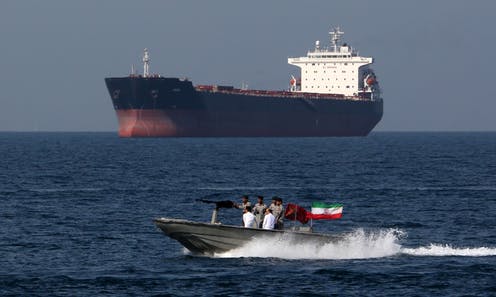
Retaliatory drone and missile strikes have swept across the Persian Gulf after President Donald Trump threatened to expand U.S. military operations against Iranian energy infrastructure, sending global markets into a deepening war footing and pushing crude oil prices toward the $100-per-barrel threshold.
The widening conflict now spans multiple fronts. Iran launched strikes on American refueling aircraft and military bases across Qatar, Bahrain, and the UAE following a U.S. attack on Kharg Island, Iran's principal oil export terminal. In response, Tehran targeted Fujairah — a critical UAE bunkering hub handling roughly one million barrels of Murban crude per day — though loading operations resumed Sunday after brief disruptions from fire and drone activity. Analysts regard Fujairah's continued operation as the key "safety valve" preventing a total collapse of Gulf energy exports amid a de facto Strait of Hormuz blockade.
Israel's military spokesman confirmed the campaign has struck over 2,000 targets to date, including missile infrastructure and command centers, reportedly destroying around 80% of Iran's air defense systems and disabling approximately 70% of its missile launchers. Israeli officials clarified that the objective is not regime change but rather weakening Tehran's military capacity enough for Iranians to shape their own political future.
Saudi Arabia and the UAE intercepted multiple incoming drones over Riyadh and Dubai, while Iran's state-affiliated Sepah news agency claimed responsibility for attacks on U.S. banking offices and military assets. Iran's Fars news agency, however, denied direct involvement in regional strikes.
To restore stability in one of the world's most critical shipping lanes, Trump called on China, France, Japan, South Korea, and Britain to deploy naval forces to the Strait of Hormuz. Japan has also released 80 million barrels from its strategic reserves, supplementing the 180 million barrels pledged by Washington to cushion the global oil supply shock now entering its third week.







