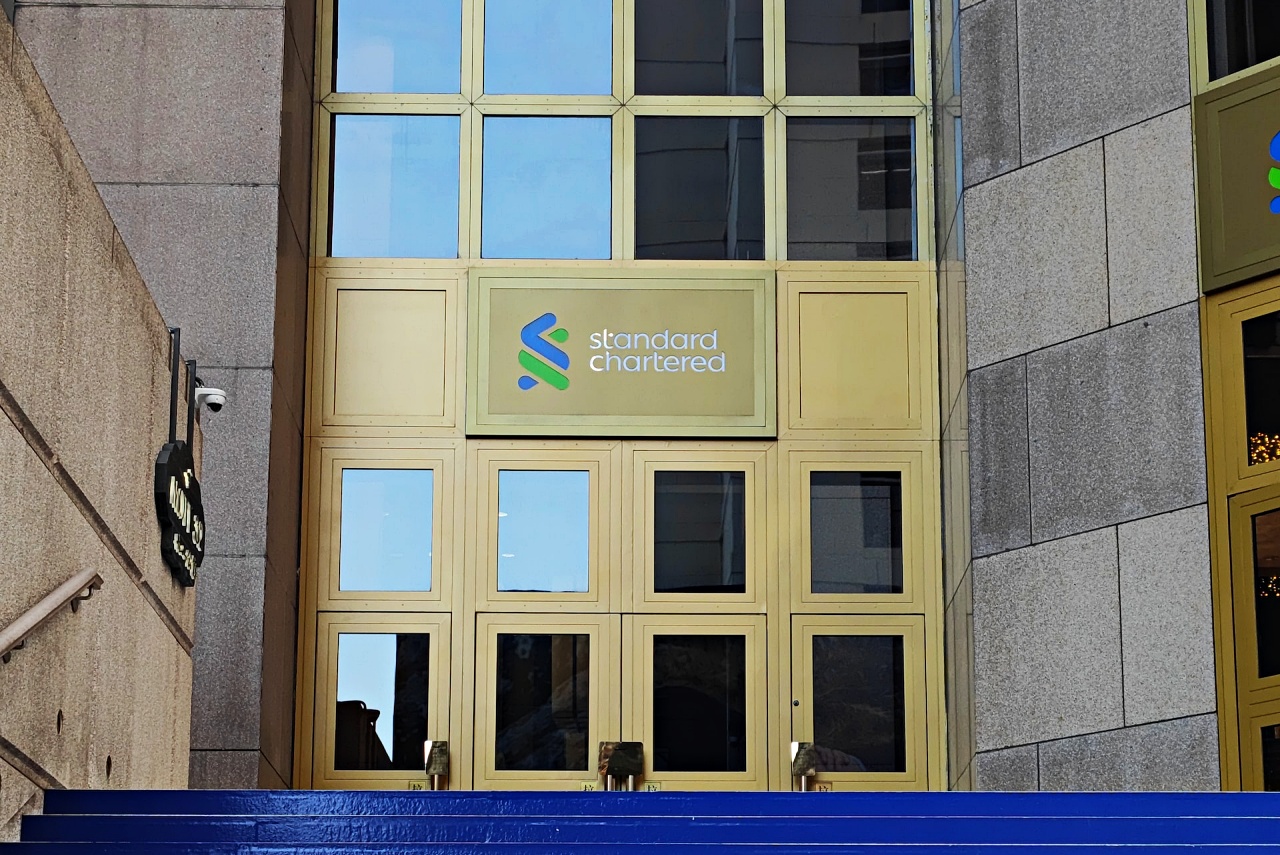
A U.S. federal judge has dismissed two lawsuits that sought to hold Standard Chartered Bank responsible for indirectly supporting terrorist groups linked to deadly attacks in Israel and Iraq between 2010 and 2019.
U.S. District Judge Margaret Garnett, based in Manhattan, ruled that the plaintiffs—90 individuals, including victims, relatives, and representatives—failed to plausibly show that the British multinational bank “knowingly and substantially assisted” the attacks. The lawsuits, Fraenkel et al v. Standard Chartered Bank and Brauner et al v. Standard Chartered Bank, were filed under the Justice Against Sponsors of Terrorism Act (JASTA).
The plaintiffs claimed that Standard Chartered provided financial and logistical services to Iran’s central bank, sanctioned financial institutions, companies, and individuals that supported militant organizations such as Hamas, Hezbollah, Palestinian Islamic Jihad, and Jaysh al-Mahdi. Allegedly, this included transferring billions of dollars despite repeated warnings from U.S. counterterrorism officials.
While Judge Garnett acknowledged that Standard Chartered had “engaged in some wrongdoing” by helping clients evade U.S. sanctions, she ruled that there was no “direct nexus” between the bank’s conduct and the terrorist attacks. She emphasized that “even under the most generous reading of the allegations there are several steps between any conduct by SCB and the actions of those who directly perpetrated the attacks.”
In its defense, Standard Chartered stated in court filings that it “did not commit any acts of terrorism and did not support any terrorist or attack.” Lawyers representing the plaintiffs and Standard Chartered did not immediately respond to media requests for comment.
The dismissal represents a significant legal win for Standard Chartered, shielding it from liability under JASTA, which allows victims of terrorism to sue entities accused of providing material support. The ruling may also set a precedent in similar cases involving international banks accused of indirect ties to terrorism financing.