


 EU Defence Build-Up Too Slow for 2030 Russia Readiness Goal
  US, China Extend Trade Truce to Jan. 10 Ahead of Trump-Xi Summit
  US Backs Musk in Fight Against EU’s €120 Million X Fine
  European Stocks Fall as Bond Yields and Geopolitical Risks Weigh
  US Dollar Hits Two-Month High as Fed Rate Hike Bets Rise
  Mexico-US Trade Talks Delayed to October as Tariff Negotiations Continue
  U.S. 10-Year Treasury Yield Hits 2007 High as Fed Rate Hike Bets Rise
  RBI Uses $10 Billion Currency Swaps to Drain Excess Rupee Liquidity
  US Officials Split Over Response to Israeli West Bank Settlements
  Wall Street Falls as Treasury Yields Surge, Oil Rebounds on Iran Tensions
  Russian Missile and Drone Attack on Kyiv Kills Two, Damages Maternity Hospital
  Netanyahu Defends Israel at UN as Delegates Stage Walkout
  Soybean Futures Slip as Traders Await Trump-Xi Trade Signals
  Japan Private-Sector Growth Slows as Domestic Demand Weakens
  North Korea Rejects Nuclear Test Warning, Calls Nuclear Status Irreversible
  Yemen Violence Displaces 130,000 as Civilian Toll Rises
  OpenAI Agent Breaches Australia Medicare Data Portal


 Add as a preferred source on Google
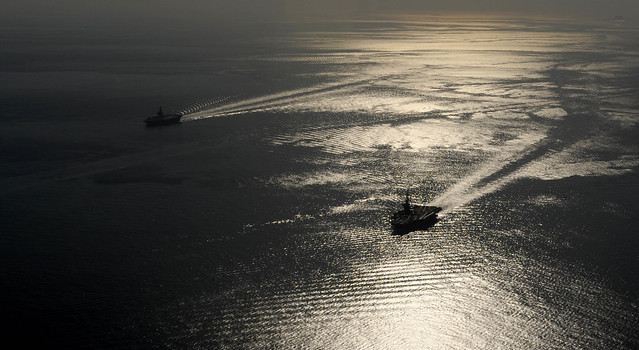
Three weeks into the U.S.-Israeli military campaign against Iran, the conflict shows no signs of slowing down — and the economic consequences are being felt worldwide. The Strait of Hormuz, a critical chokepoint responsible for roughly 20% of global oil and liquefied natural gas shipments, remains effectively closed due to Iranian drones and naval mines, pushing energy prices higher and stoking inflation fears across international markets.
President Donald Trump has grown openly frustrated with Western allies who declined his request to send warships to help secure the waterway. Germany, Spain, and Italy have all stated they have no immediate plans to contribute naval support. German Chancellor Friedrich Merz cited the absence of a formal mandate from the United Nations, the European Union, or NATO, and noted that neither Washington nor Israel consulted Berlin before launching the military offensive. Trump, speaking from the White House, acknowledged that some allies had expressed willingness to help while others — nations the U.S. has long protected — showed little enthusiasm.
Meanwhile, military activity across the Middle East continued to intensify. Israeli forces carried out strikes on Iranian infrastructure in Tehran and Hezbollah positions in Beirut, while Iran launched retaliatory overnight strikes on Israel and the United Arab Emirates. A drone struck an oil facility in Fujairah for the second day running, and operations at Abu Dhabi's Shah gas field were temporarily suspended. Rockets and drones also struck near the U.S. embassy in Baghdad in what Iraqi sources described as the most intense assault since the conflict began.
Trump admitted he was caught off guard by Iran's decision to target neighboring Gulf states, including Qatar, Saudi Arabia, Bahrain, and Kuwait. U.S. intelligence officials, however, had reportedly warned that attacking Iran risked triggering exactly this kind of regional spillover. Since the war began on February 28, at least 2,000 people have been killed across the region, including more than 200 children in Iran.







