


 Zelenskiy Meets CIA Chief John Ratcliffe at Ireland’s Shannon Airport
  Russian Strikes Kill Eight Across Ukraine as Energy Sites Hit
  Scott Bessent Eyed as Trump’s New AI Czar
  Lula Meets Mamdani in New York as Elections Approach
  Trump Says ‘Freedom’ Is Coming to Cuba
  Zelenskiy Warns Russia Preparing Major Attack on Ukraine
  Lula and Flavio Bolsonaro Tied in Brazil Runoff Poll
  Iran Vows ‘Crushing’ Response as US Talks Continue
  Vietnam, US Trade Deal Could Be Signed Soon, To Lam Says
  Marco Rubio to Meet Russia’s Lavrov in New York
  US Plans Two New Military Bases in Greenland Under Arctic Deal
  Paramount-Warner Bros $110 Billion Deal Draws Antitrust Backlash
  Trump Administration Prepares Sanctions Against Entire ICC
  Carney Condemns Belleville Synagogue Shooting That Wounded Police Officer
  Canada Unveils Bill to Fast-Track Major Resource Projects
  Trump Scales Back Endangered Species Act Protections
  Macron Challenges Trump’s Gaza Peace Claims at UN


 Add as a preferred source on Google
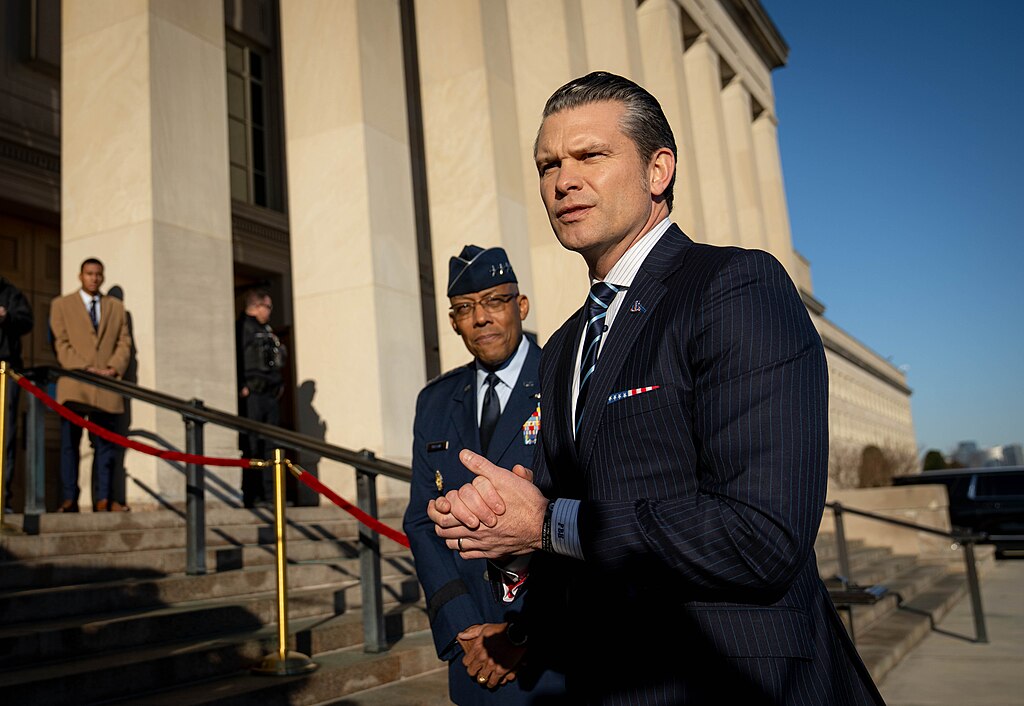
The U.S.-Iran conflict intensified after U.S. Central Command (CENTCOM) confirmed it had completed an eleventh consecutive night of military strikes targeting Iranian assets. The operations are aimed at weakening Iran’s ability to threaten commercial shipping through the Strait of Hormuz, a vital global energy route.
Iran responded with drone and missile attacks targeting U.S. military facilities in Kuwait, underscoring the growing regional risks. Meanwhile, President Donald Trump warned that the United States could soon launch a major strike on a suspected Iranian nuclear facility known as “Pickaxe Mountain,” or Mount Kolang. Trump said the site could be hit "pretty soon, and very heavily," prompting Tehran to warn that any attack on its nuclear infrastructure would trigger a significant escalation.
Reports indicate Iran has relocated thousands of uranium-enrichment centrifuges to the heavily fortified underground facility. At the same time, Tehran continues to assert control over the Strait of Hormuz, insisting that vessels crossing the waterway coordinate with Iranian authorities. Despite the threats, CENTCOM said the strategic shipping lane remains open.
The conflict also appears to be expanding beyond Iran, with Yemen’s Iran-backed Houthi movement announcing a naval blockade targeting Saudi Arabia and warning commercial vessels against operating in the Red Sea, raising fresh concerns over global shipping and oil supplies.
Speaking before Congress, Defense Secretary Pete Hegseth said the war has cost the United States approximately $37.5 billion, covering military operations, personnel, maintenance, and other expenses through the end of the fiscal year. The Trump administration is seeking a supplemental $90 billion defense package, with most of the funding allocated to the Iran conflict.
However, some reports suggest the true financial burden could be far greater. According to NBC News, internal Pentagon estimates place the total cost between $80 billion and $100 billion, largely due to extensive repairs required at U.S. bases damaged by Iranian attacks. As military spending rises, the conflict is expected to become a major political issue ahead of the November midterm elections.
Despite the escalating violence, Secretary of State Marco Rubio said the United States remains open to negotiating a diplomatic resolution. Speaking in Manila, Rubio emphasized that Washington is committed to diplomacy but argued that Tehran has not demonstrated a serious willingness to engage. He also reiterated that the U.S. will not allow Iran to control the Strait of Hormuz, even as regional mediators continue efforts to revive ceasefire discussions.







